Blog

  • The ‘Bill Split Squad’ Shortcut: Turn Ordinary Rebates Into Tiny Buying Clubs You Can Actually Join

    The ‘Bill Split Squad’ Shortcut: Turn Ordinary Rebates Into Tiny Buying Clubs You Can Actually Join

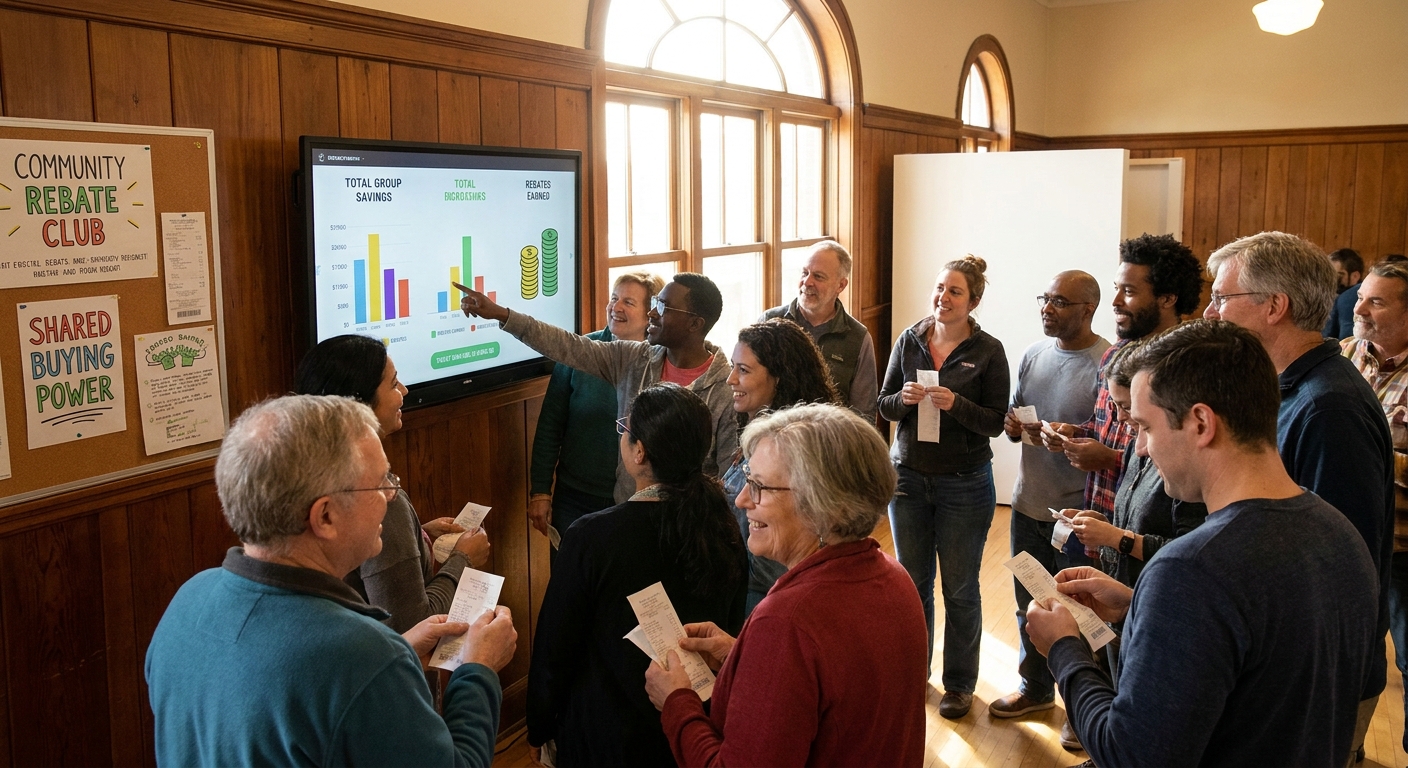
    Trying to snag the “best” rebate by yourself can feel a little silly once the math lands. You spend an hour filling out forms, uploading receipts, waiting for approval, and what do you get. Maybe eight bucks. Maybe twenty. That is still real money, of course, but the bigger savings often show up when a few people buy around the same offer at the same time. Friends, siblings, neighbors, and even parents at the same school are quietly doing this already. They are not running some giant coupon empire. They are just coordinating a purchase window, splitting shared items when it makes sense, and comparing who got approved fastest. If you have been wondering how to start a small rebate group with friends, the good news is you do not need a business plan. You need a chat thread, a clear rulebook, and one rebate category everyone actually wants.

    ⚡ In a Hurry? Key Takeaways

    • A small rebate group works best when 3 to 8 people focus on one type of offer, like groceries, home upgrades, or EV charging, instead of chasing random deals.
    • Start with a simple group chat, a shared deadline, and a spreadsheet that tracks links, receipts, approval dates, and payout status.
    • Stick to legitimate rebate programs and never send money to a “club admin” who promises secret access, guaranteed approval, or prepaid bulk orders.

    Why solo rebate hunting often tops out fast

    Most rebate systems look personal on the surface. One buyer. One receipt. One claim. But behind that, many brands are watching for patterns. They notice when a product gets picked up by a local cluster of shoppers. Utilities notice when similar upgrades happen in the same area. Grocery apps notice repeated redemptions on the same family of products.

    That does not always mean there is an official group discount button. Usually there is not. What happens instead is that people in a small circle find better timing, clearer instructions, fewer mistakes, and more confidence to buy when they know others are testing the same offer.

    That is the real bill split squad idea. It is less “coupon circus,” more “trusted neighbors comparing notes.”

    What a bill split squad actually is

    A bill split squad is a tiny buying club built around a real rebate. Not a vague shopping club. Not a pay-to-join savings group. Just a handful of people who agree to target one category of offer together for a short period of time.

    Think of examples like these:

    • Four friends all buying the same energy-efficient smart thermostat while a utility rebate is open.
    • Two households splitting a warehouse bulk grocery run tied to a cashback app.
    • Neighbors comparing EV charger rebates, installer quotes, and approval timelines.
    • Family members timing appliance purchases during the same manufacturer promo window.

    The squad part matters because everyone shares what happened. Which form asked for a serial number. Which receipt format got rejected. How long the payout took. Whether customer support actually answered.

    How to start a small rebate group with friends

    1. Pick one category, not ten

    This is where most people go off the rails. They throw every possible discount into one chat and the group goes numb. Keep it narrow at first.

    Good starting categories:

    • Bulk groceries
    • Home energy upgrades
    • EV charging equipment
    • Back-to-school supply offers
    • Household essentials from warehouse stores

    One category keeps everyone focused and makes the group useful instead of noisy.

    2. Keep the group small

    Three to eight people is usually the sweet spot. Fewer than that, and there is not enough shared learning. More than that, and somebody starts missing messages, forgetting deadlines, or arguing over details.

    Start with people you already trust. A sibling. Two close friends. A neighbor you actually know. This is not the moment to invite fifty strangers from social media.

    3. Make one simple home base

    A text thread works. A WhatsApp group works. A private Facebook or Signal chat works. Pick the thing everyone already checks.

    Then create one shared document with these columns:

    • Offer name
    • Link to terms
    • Purchase deadline
    • Who is buying
    • Receipt submitted on
    • Approval or rejection
    • Payout date
    • Notes

    That little spreadsheet becomes your memory. It also cuts down on “Wait, did anybody get paid yet?” messages.

    4. Set rules before money moves

    This is a big one. If anyone is splitting a purchase, agree on the boring stuff first.

    • Who pays upfront
    • When everyone reimburses
    • How taxes and fees are split
    • Who keeps the rebate if only one person can claim it
    • What happens if an item is delayed, canceled, or denied

    It sounds fussy. It is actually what keeps the group friendly.

    The hidden win is not just the rebate amount

    Sure, saving more money matters. But there is another benefit people miss. Groups reduce mistakes.

    One person notices the form needs a PDF, not a photo. Another spots that the model number must match exactly. Someone else learns that the utility only accepts claims after installation, not at purchase.

    That shared troubleshooting can be worth more than the rebate itself, especially on bigger items like chargers, insulation, windows, or appliances.

    If you want a smart way to find stronger offers in the first place, the article The ‘Smart Form Follower’ Shortcut: Join High-Value Rebate Communities By Tracking Who Shares The Application Links is worth a look. It gets into a simple truth many shoppers miss. The form is not the whole game. Who shares the form, and how often, can tell you a lot about whether an offer is real, active, and worth your time.

    Best rebate categories for a first-time squad

    Bulk groceries and household staples

    This is the easiest entry point. The stakes are low, people already buy the products, and it is easy to split paper goods, snacks, cleaning supplies, and pantry items.

    Just make sure everyone agrees on brand, size, and quantity before the cart gets full.

    Utility and energy rebates

    These can be much bigger. They can also be messier. A group helps because everyone can compare approved contractors, required documents, and processing times.

    If three neighbors are all considering the same upgrade, the shared knowledge can save a lot of time and avoid expensive mistakes.

    EV charging and home tech offers

    This category is hot right now. Utilities, local governments, and brands are all throwing out targeted deals. Some are excellent. Some are confusing. A small group helps sort out what counts, which installer paperwork is needed, and whether the rebate stacks with a tax credit or store promo.

    How to avoid fake rebate clubs and scammy “admins”

    This part matters a lot right now. As real rebates get more popular, fake “buying clubs” are popping up around them.

    Watch for these red flags:

    • Someone asks for an upfront membership fee to access public rebate links.
    • They promise guaranteed approval. Nobody can honestly promise that.
    • They want all receipts sent only to them, instead of letting each buyer file directly.
    • They ask for banking details in chat.
    • They push urgency without sharing the original terms.
    • They claim to have “insider” rebate inventory that disappears if you ask questions.

    A safe group is transparent. Everybody can see the official offer. Everybody can read the terms. Everybody knows who paid for what.

    Simple rules that keep a small rebate group sane

    • Only join offers from official retailer, brand, utility, or cashback app pages.
    • Screenshot every step, including terms, submission confirmation, and approval emails.
    • Never assume a rebate will pay. Treat it as a bonus until it lands.
    • Use payment apps with a memo line so each split is documented.
    • Do not mix personal reimbursements with one person’s giant running balance for weeks.
    • Review one offer at a time before adding another.

    When bill splitting makes sense, and when it does not

    Good fit

    Items that are naturally shareable or where the main value comes from comparing paperwork and timing. Think groceries, home supplies, utility rebates, and products several people were already planning to buy.

    Bad fit

    Highly personal products, anything with warranty registration tied to one owner, or offers with strict one-household rules that would tempt people to bend the terms.

    If the only way the deal works is by getting cute with the rules, skip it. The goal is better savings, not account bans.

    A sample starter plan for your first 30 days

    Week 1. Create the group and choose one category.

    Week 2. Gather three live offers and compare the terms.

    Week 3. Pick one offer and set a purchase deadline.

    Week 4. Everyone submits, uploads screenshots, and reports back on approval status.

    That is enough to test whether your group is helpful. If it works, keep the chat going and reuse it for the next round.

    At a Glance: Comparison

    Feature/Aspect Details Verdict
    Solo rebate hunting Simple and private, but easy to miss deadlines, misread terms, or waste time on low-value offers. Fine for quick deals, weaker for bigger savings.
    Small rebate group with friends Shares research, screenshots, timing, and split costs across 3 to 8 trusted people. Best balance of savings, trust, and effort.
    Large public “rebate clubs” Can surface many offers, but often noisy and sometimes risky if money or receipts run through strangers. Useful for spotting deals, but use caution.

    Conclusion

    The nice thing about a bill split squad is that it feels manageable. You are not trying to become an extreme coupon legend. You are just turning one decent rebate into a repeatable habit with people you trust. Right now, brands and utilities are throwing out targeted rebates on everything from EV charging to home upgrades and bulk groceries, but many of those deals are built for individual redemption while quietly rewarding volume, timing, and repeated participation behind the scenes. A small group can coordinate the same purchase window, compare screenshots of approvals and payout times, and build a mini buying club that keeps working across new offers. That matters because prices are still high, fake rebate “clubs” are creeping in, and most shoppers need a safe, community-first way to multiply legitimate savings instead of chasing the next viral coupon code that vanishes by bedtime.

  • The ‘Micro‑Circle Scanner’ Shortcut: Use Niche Hobby Groups To Slip Into Serious Rebate Communities

    The ‘Micro‑Circle Scanner’ Shortcut: Use Niche Hobby Groups To Slip Into Serious Rebate Communities

    You are not imagining it. The big coupon groups really do feel picked clean by the time you arrive. You tap a deal, the code is dead, the stock is gone, and half the comments are spam or people shouting “expired.” That gets old fast. The better finds are often hiding somewhere else entirely, inside tiny hobby communities where people gather for Pokémon card restocks, K-beauty preorders, sneaker raffles, fountain pens, craft vinyl, or even local farm box swaps. They are not advertising themselves as “rebate groups,” which is exactly why they still work. If you want to know how to find private rebate and deal groups on Discord Facebook and Telegram, stop searching only for the word “deals.” Start looking for the smaller circles built around a very specific obsession. That is usually where the useful alerts, the cleaner links, and the serious savings have moved.

    ⚡ In a Hurry? Key Takeaways

    • Private rebate communities are easier to find through niche hobby groups than through giant public coupon channels.
    • Use signals like restock bots, curated Google Sheets, waitlists, and side chats to spot the real group behind the public-facing one.
    • Smaller groups often have better rebates and fewer scam links, but you should still check rules, payment methods, and link safety before jumping in.

    Why the big deal groups stopped being the best place to save

    Large Facebook deal pages, public Telegram channels, and open Discord servers still have a purpose. They can help you spot general trends. But they are crowded, noisy, and heavily scraped by bots and resellers.

    That means the best offers disappear first. It also means fake urgency spreads quickly. One bad affiliate link gets reposted everywhere. Suddenly, you are wasting 30 minutes chasing a bargain that died 20 minutes ago.

    Smaller interest-based communities work differently. People there are not only chasing discounts. They actually care about the product category. They know normal pricing. They know which shops are reliable. And they are much more likely to call out junk links or inflated “sales.”

    The “micro-circle scanner” idea

    Think of it this way. The public group is often just the front porch. The real action happens in the back room.

    A K-beauty Facebook group may have a public page with routine product chat. But inside it, there may be a private Messenger thread where trusted members post preorder rebates and warehouse clearances. A Pokémon Discord may look like a restock server, but the best buy alerts may actually live in a role-gated channel or spin off into a smaller invite-only group. A crafting subreddit may share general supply tips, while a linked Google Sheet tracks coupon stacking, bulk orders, and vendor credits.

    Your job is to find that second layer. That is the circle behind the group.

    How to find private rebate and deal groups on Discord Facebook and Telegram

    1. Search by hobby first, not by “deals”

    This is the biggest shift. If you search for “best rebate group” or “coupon Discord,” you usually land in overcrowded places. Instead, search for combinations like these:

    • “Pokémon restock Discord”
    • “K-beauty preorder Facebook group”
    • “planner stickers buy sell trade Telegram”
    • “mechanical keyboard vendor updates Discord”
    • “farm box swap local Facebook group”
    • “AliExpress spreadsheet community Telegram”

    You are looking for communities built around a narrow product interest. Rebate sharing comes later.

    2. Watch for niche signals that a serious savings circle exists

    Good private groups leave clues. Not obvious ones, but clues.

    These are the signals I would watch for:

    • Restock bots or stock alert channels. If a server tracks inventory automatically, the members are organized.
    • Curated Google Sheets. A maintained spreadsheet with links, prices, notes, or buying guides often means there is a trusted inner circle.
    • Role-gated channels. Discord channels that unlock after introductions, participation, or verification usually have better quality control.
    • Admin-run preorder lists. Common in beauty, collectibles, and hobby imports.
    • Invite-only side chats. Messenger, WhatsApp, Telegram, or private Discord threads spun off from the main group.
    • Seller blacklists and trusted vendor lists. These communities usually care about keeping members safe.

    If you see two or three of those signs in one place, you are probably close.

    3. Read comments like a detective

    The gold is often in the replies, not the main post.

    Look for phrases like “check the sheet,” “mods posted the better link in chat,” “join the preorder thread,” “verified buyers only,” or “DM for invite.” Those comments tell you the public post is only part of the story.

    Do not barge in asking for invites on day one. That is the fastest way to be ignored. Lurk a bit. Learn the tone. Then ask a specific, polite question.

    4. Follow the tool stack

    Serious communities usually connect several tools together. A public Facebook group may point to a Discord server. The Discord may link to a Google Sheet. The sheet may mention a Telegram alert channel for flash rebates.

    That chain matters. If one platform feels quiet, the useful traffic may have moved to the next one. Follow the links, the pinned posts, the bot messages, and the member guides.

    What these micro-communities look like in real life

    Pokémon and collectible restocks

    These groups move fast because the products move fast. Good communities often use bots, retailer monitors, and role pings for certain sets or stores. The rebate angle may show up as cashback stack alerts, loyalty point tricks, or card-linked offers from a specific retailer.

    The public server says “restocks.” The private channel says “here is the cleanest stack and which listings to avoid.” Big difference.

    K-beauty preorders and group buys

    This is a classic micro-circle category. Members often compare direct-from-Korea shops, preorder bonuses, shipping thresholds, and customs risk. The best groups maintain spreadsheets and update notes on which sellers actually honor promo bundles.

    If you buy skincare or makeup regularly, this kind of community can save a surprising amount, mostly because members spot fake markdowns immediately.

    Crafting supplies and maker circles

    Crafters are some of the sharpest deal finders online. Cricut supplies, vinyl, yarn, beads, resin molds, planner goods, and specialty paper all have their own small ecosystems. Many of these groups know which coupons stack, when warehouse overstock hits, and which off-brand substitutes are actually decent.

    Local produce and farm box groups

    These are less flashy, but often very practical. The savings may come from referral credits, extra produce add-ons, neighborhood split orders, or seasonal overbuy discounts. You will not always see the word “rebate,” but the money-saving behavior is absolutely there.

    Direct-from-China buyer spreadsheets

    This is where things get especially niche. Some communities track Taobao, 1688, AliExpress, or specialty forwarding services with huge spreadsheets. The best ones compare seller reliability, shipping math, and real landed cost. Done right, this can be useful. Done carelessly, it can be a mess.

    That is why a vetted micro-community matters. It helps separate actual value from random links and wishful thinking.

    How to get into the better circles without looking sketchy

    Private groups are picky for a reason. They are trying to keep out scammers, resellers, and people who only show up to grab and run.

    Here is the simple approach:

    • Complete the intro or verification steps.
    • Read the pinned posts before asking basic questions.
    • React to deals, report dead links, and say thank you.
    • Share one useful data point of your own, like a successful order, shipping update, or expired code warning.
    • Do not immediately ask for the “secret channel.”

    Trust in these spaces works a lot like trust in a neighborhood group chat. People open up when you seem normal, helpful, and not there to cause trouble.

    How to judge whether a group is actually worth your time

    Not every small community is a gem. Some are just smaller versions of the same old noise.

    Good signs:

    • Admins remove bad links quickly.
    • Members post screenshots or order confirmations.
    • There is context with each deal, not just a raw link.
    • Expired posts are marked.
    • Members discuss total cost, not just sticker price.

    Bad signs:

    • Everything points through mystery redirect links.
    • Admins pressure members to pay outside protected methods.
    • The group pushes urgency with no details.
    • No one ever says a deal is bad.
    • Invite links keep changing with no explanation.

    Safety rules that matter more in private rebate groups

    Smaller does not always mean safer. It often helps, but you still need basic caution.

    Check links before tapping

    If a link looks odd, skip it. Good communities may use affiliate links, and that is not automatically a red flag, but they should still be transparent and point to real retailers.

    Use protected payment methods

    If the “deal” depends on paying a stranger through a method with no buyer protection, pause. This comes up a lot in group buys and preorder circles.

    Watch for spreadsheet trust traps

    Google Sheets are handy, but they can also make junk look organized. A neat spreadsheet is not proof that the seller is good. Treat it as a starting point, not the final word.

    Keep your account security clean

    Use two-factor authentication on Discord, Facebook, and Telegram. Private communities are valuable, which means account theft and fake admin messages are common enough to matter.

    Best ways to start today

    If you want a practical plan, do this tonight:

    1. Pick one spending category you actually care about.
    2. Search for that category plus “Discord,” “Facebook group,” and “Telegram.”
    3. Join one public community and read the pinned posts.
    4. Look for signs of a sheet, bot, or side chat.
    5. Stay active for a week before asking for deeper access.

    This is much more effective than joining 20 random coupon groups and hoping for the best.

    At a Glance: Comparison

    Feature/Aspect Details Verdict
    Public coupon groups Easy to join, high volume, but deals expire quickly and spam is common. Good for browsing, weaker for high-value catches.
    Niche hobby communities Smaller, more informed members, better context, and cleaner deal sharing. Best starting point for serious rebate hunting.
    Invite-only side chats and sheets Fast alerts, curated lists, and stronger trust, but harder to access and still requires caution. Highest value if you earn your way in and stay careful.

    Conclusion

    If the giant deal groups have left you tired and empty-handed, you are probably looking in the wrong place, not doing anything wrong. Right now, the most effective community-based rebate groups are being built around extremely specific interests like Pokémon restocks, K-beauty preorders, crafting supplies, local farm boxes, and direct-from-China buyer spreadsheets. These micro-communities move faster than public deal forums and are a lot pickier about who they let in, which is exactly why the rebates are better and the bad links are rarer. Start with the hobby, not the word “deals.” Look for restock bots, curated Google Sheets, and invite-only side chats. Find the circle behind the group, and you can plug into safer, higher-value rebate networks instead of wasting hours in dead or spammy channels.

  • The ‘Signup Twin’ Shortcut: Clone High‑Paying Rebate Groups By Watching What They Ask New Members

    The ‘Signup Twin’ Shortcut: Clone High‑Paying Rebate Groups By Watching What They Ask New Members

    You join a Facebook “deal” group, answer a couple of vague questions, and then walk into the same old mess. Spammy posts. Old links. Admins who vanished months ago. Or worse, a group that acts like a secret club but never actually posts useful rebates. That gets old fast. If you are trying to figure out how to find legit rebate groups on facebook and telegram, search results alone are not enough anymore. The better groups often stay half-hidden on purpose.

    One of the easiest ways to spot those better groups is to study what they ask new members before they let them in. Think of it like finding a “signup twin.” If one active, high-paying group asks three very specific questions, there is a good chance its sister groups, backup groups, or admin-run spinoffs ask almost the same thing. That pattern gives you a shortcut. You stop hunting by name and start hunting by behavior, which is usually much more reliable.

    ⚡ In a Hurry? Key Takeaways

    • Legit rebate groups often reveal themselves through smart membership questions, not obvious names or public search listings.
    • Copy the wording, tone, and screening style of one good group to find similar “signup twin” communities on Facebook and Telegram.
    • If a group asks nothing useful, hides all rules, and shows no proof of recent activity, it is usually not where serious rebate stacking happens.

    Why search keeps failing you

    Platforms want broad engagement. They push giant coupon pages, generic savings groups, and channels built to scoop up as many members as possible. That is great for the platform. It is not great for you.

    The serious rebate groups often do the opposite. They stay private. They rename themselves. They use backup groups. They screen members carefully because too much noise kills the deals. That is why someone searching “rebates,” “Amazon deals,” or “coupon chat” will often miss the groups where the real action is happening.

    If this sounds familiar, you may also want to read The ‘Hidden Lobby’ Shortcut: Join High‑Payout Rebate Groups By Starting Where Power Shoppers Already Hang Out. It explains why the best communities rarely sit out in plain view.

    What the “signup twin” shortcut actually is

    Here is the basic idea. Find one group that feels alive, organized, and clearly run by humans. Then look closely at the questions it asks before approving new members.

    Those questions usually tell you three things:

    • What kind of members the admin wants
    • How serious the group is about rebate rules
    • Whether the group is part of a larger admin network

    Once you know that pattern, you can use it to spot related groups. Not just by name, but by the admin “fingerprint” hidden in the signup flow.

    The questions that usually signal a real rebate group

    1. They ask where you heard about the group

    This is a big clue. Dead or lazy groups often approve everyone. Better groups want to know whether you came from a friend, another deal group, a Telegram channel, or an outside site.

    Why it matters: admins who track referral sources usually care about quality and volume. They are trying to build a working buying crew, not a random crowd.

    2. They ask if you understand rebate rules

    You might see questions like:

    • Do you understand you may need to leave a review or follow claim instructions?
    • Have you used PayPal, Venmo, or another payout method before?
    • Do you know that rebate timing can vary?

    That is a good sign. It means the group has enough deal flow that admins need members who can follow directions without constant hand-holding.

    3. They ask for your Telegram handle, email, or messenger preference

    This often means the Facebook group is just the front door. The better action may happen in a Telegram thread, a private chat, or a spin-off channel. In other words, Facebook may be the waiting room, not the party.

    If several groups ask for the same contact style, that is a clue they may be linked.

    4. They ask for a short written answer

    Questions like “Why do you want to join?” can seem annoying, but they are useful. Admins use them to filter bots, serial spammers, and people who never read instructions.

    More important for you, though, is the wording. If two or three groups ask nearly identical short-answer questions, they may be siblings.

    How to use one good group to find its twins

    Start with one proven group

    You do not need ten. You need one that shows recent posts, real member comments, payout chatter, and clear admin presence.

    Take notes on:

    • The exact membership questions
    • The tone of the rules
    • Whether they mention other apps like Telegram
    • Whether they ask for region, shopping history, or payment method

    Search using the questions, not just the title

    This is the part most people skip. Instead of searching only for group names, search for unusual phrases from the signup questions.

    For example, if a group asks “Do you agree not to claim without ordering?” or “What is your Telegram username for rebate alerts?” those phrases may appear in other related groups, mirrored landing pages, cached previews, or admin posts.

    You are no longer searching for a “deal group.” You are searching for a pattern.

    Check for repeated admin habits

    Groups run by the same people often share little quirks:

    • Same approval questions
    • Same welcome message style
    • Same payout methods
    • Same posting format for deals
    • Same rules about screenshots or order numbers

    That is your signup twin. Maybe not the exact same group, but close enough to tell you you are in the right neighborhood.

    How this works on Facebook

    Facebook still has a lot of rebate activity, but much of it is split across feeder groups, backup groups, and niche sub-groups.

    What to look for

    • Membership questions visible before joining
    • Recent member counts or growth spurts
    • Admins who mention “sister group,” “backup group,” or “VIP chat”
    • Pinned rules that mention rebate timing, claim forms, or off-platform alerts

    Good sign

    A group that screens members, posts daily, and has comments from real people talking about order issues, payout timing, and product limits.

    Bad sign

    A group with a huge member count, no meaningful questions, recycled coupon graphics, and no clear proof that members are actually getting paid.

    How this works on Telegram

    Telegram is trickier because some channels are public, some are private, and some are invite-only with almost no discoverable footprint.

    What to look for

    • Join requests that ask where you came from
    • Linked discussion groups attached to a channel
    • Admins who reference another Facebook or Discord screening step
    • Consistent deal formatting and payout language

    If a Telegram group uses nearly the same intake questions as a Facebook group, that is often a clue that the admin team is moving members across platforms. That is exactly the kind of trail you want.

    Red flags that mean “move on”

    Not every private group is good. Some are private because they are sloppy, inactive, or shady.

    Watch out for these:

    • No screening at all, but lots of “exclusive” language
    • Admins who demand unusual personal info up front
    • No visible discussion of payouts, timing, or deal rules
    • Pressure to pay for access before you see any activity
    • Constant affiliate pushing with no member success stories

    A legit group may be selective. It should not feel like a phishing test.

    A simple test you can use in five minutes

    When you find a new group, ask yourself:

    1. Are the signup questions specific enough to filter real members?
    2. Do those questions suggest an actual rebate process?
    3. Can I find similar wording in related groups or channels?
    4. Does the group show recent human activity, not just links?
    5. Are there signs of payout structure, admin presence, and clear rules?

    If the answer is yes to most of those, keep going. If not, do not waste your week waiting for a dead channel to magically get better.

    Why this shortcut matters more in 2026

    The gap is getting wider. Search results show what is broad, safe, and easy to rank. Serious rebate communities are moving in the other direction. Smaller circles. Tighter screening. More cross-platform movement.

    That means the old method of typing a few keywords into Facebook or Telegram and joining the first five results is getting worse, not better.

    The smarter move is to reverse-engineer how good groups identify good members. Once you see that pattern, you can spot live communities from the outside, even when their names are forgettable or their listings are half-hidden.

    At a Glance: Comparison

    Feature/Aspect Details Verdict
    Generic search result group Broad name, weak screening, lots of old coupon-style posts, little proof of active rebates Low priority
    Group with strong membership questions Asks about referral source, rebate experience, payout methods, or linked chat apps Promising
    “Signup twin” match Similar intake questions, admin style, rules, and posting format across Facebook and Telegram Best lead for finding legit, active rebate groups

    Conclusion

    The best rebate groups are not always the ones you can easily search. Right now there is a real gap between what Facebook and Telegram show you and where serious rebate stacking actually happens. Admins are locking things down. Algorithms are pushing broad savings content, not the tighter buying crews where volume and payouts are better. That is why the signup twin shortcut matters. When you focus on member-question patterns, you get a repeatable way to spot live, human-run communities without wasting time on dead pages or fake exclusivity. Rebate Clubs should not just hand you a list. It should teach you how to think like a power shopper and reverse-engineer the good groups from the outside. In a crowded 2026 deals world, that practical edge is what saves you time, money, and a lot of frustration.

  • The ‘Zero‑Fee Circle’ Shortcut: Join Rebate Communities That Trade Help Instead of Membership Dues

    The ‘Zero‑Fee Circle’ Shortcut: Join Rebate Communities That Trade Help Instead of Membership Dues

    You sign up for a rebate group because you want to save money, then the first thing it asks for is your credit card. That is enough to make anyone suspicious. A lot of shoppers are running into the same mess. Communities that sound like friendly buying circles turn out to be thinly disguised subscriptions, with monthly fees, trial periods, and vague promises about future savings. If you are trying to figure out how to join no fee community rebate groups, the good news is that real ones do exist. The trick is knowing what they look like before you hand over your payment info. The best zero-fee groups usually run on participation, not dues. Members share links, post deal updates, compare rebate terms, and help each other avoid bad offers. If a community makes its money from locking you in instead of helping you save, that is not much of a community at all.

    ⚡ In a Hurry? Key Takeaways

    • Real no-fee rebate groups do not require a paid membership just to let you see or join deals.
    • Look for communities where members actively share links, results, and warnings instead of just being sold “premium access.”
    • If a group asks for your card upfront, hides terms, or makes canceling hard, treat it like a subscription, not a savings club.

    What a “Zero-Fee Circle” really means

    A zero-fee rebate community is pretty simple. You join for free, take part, and benefit from the group’s shared knowledge and buying power. The value comes from people helping each other.

    That help might include rebate links, reminders about deadlines, screenshots of successful submissions, or warnings that a deal is getting shaky. In a healthy group, members are not just customers. They are contributors.

    That is a big difference from a pay-to-enter platform that charges you before you even know whether the offers are worth your time.

    How to join no fee community rebate groups without getting trapped

    Start with the payment test

    The fastest screening question is this. Can you browse, read, or join basic discussions without entering payment details?

    If the answer is no, slow down. A real community may have optional extras later, but the front door should not feel like a checkout page. If your card is required before you can even see how the group works, that is a warning sign.

    Look for visible member activity

    Good rebate groups are a little messy in the best way. You should see people asking questions, posting updates, confirming payouts, and flagging expired deals.

    If every post looks polished and one-way, like marketing copy from the site owner, you may be looking at a sales funnel rather than a community.

    This is also why it helps to watch who consistently shares useful applications and deal posts. A smart next step is reading The ‘Smart Form Follower’ Shortcut: Join High-Value Rebate Communities By Tracking Who Shares The Application Links. It explains how following the right contributors can tell you a lot about whether a group is actually useful.

    Read the rules, not just the pitch

    A flashy promise is easy to write. The rules are where the truth usually sits.

    Check for these basics:

    • Is there any membership fee now or after a trial?
    • Are members expected to buy a minimum amount?
    • Who handles the rebate, the brand, the platform, or another member?
    • What happens if an offer is canceled or capped?
    • Is there a clear privacy policy?

    If the terms are vague, scattered, or hard to find, that is not a great sign.

    Red flags that mean “this is really a subscription”

    “Free” access that still needs your card

    This is the classic move. You get a “free trial,” but you still have to enter a payment method. If you forget to cancel, you start paying for access to deals that may or may not save you anything.

    Premium tiers before proof of value

    Some groups push upgrades right away. Faster alerts, better offers, secret channels, VIP buying access. Maybe those features are real. Maybe not. But if the platform wants money before it has shown you a working free experience, be careful.

    No real conversation between members

    If users cannot comment, compare notes, or report their experiences, you lose the thing that makes a community useful. Without member feedback, you are just trusting the platform’s own sales copy.

    Hard-to-cancel memberships

    If canceling requires emailing support, waiting for approval, or digging through hidden settings, you are not in a friendly buying circle. You are in billing country.

    What good no-fee rebate groups usually have in common

    Open access to the basics

    You can usually read enough to understand the group before you commit your time. Maybe there is a free Discord channel, Facebook group, forum, or email list. The key point is that you can see how it functions without paying an entrance fee.

    Member-to-member help

    People answer questions. They compare timelines. They mention which rebates tracked properly and which ones did not. That shared experience can save you more than any so-called premium dashboard.

    Simple incentives

    Some groups work because members earn referral perks, early notice, or social goodwill for sharing strong deals. That is fine. What matters is that the incentives are visible and do not require everyone else to fund the system through monthly dues.

    Clear boundaries

    Healthy groups are usually clear about what they are. They are not pretending to guarantee money. They are helping members find opportunities, avoid junk offers, and improve their odds of getting paid.

    A practical checklist before you join

    Use this quick test before joining any rebate circle:

    • Search the group name plus “fee,” “cancel,” and “reviews.”
    • See whether members talk to each other in public.
    • Confirm whether payment info is optional or required.
    • Read the rules for trial periods and renewals.
    • Look for proof of recent successful rebates from real members.
    • Check whether the group shares warnings as well as wins.

    That last point matters. A trustworthy group does not only celebrate deals. It also tells you when one goes bad.

    Why participation beats dues

    When a group depends on member participation, everyone has a reason to keep the information useful. People share because it helps the circle stay active and effective.

    When a group depends mostly on subscription revenue, the focus can drift. Suddenly the product is not better rebates. The product is access itself.

    That shift is subtle, but important. You want a place where the main goal is helping members save, not keeping them enrolled.

    At a Glance: Comparison

    Feature/Aspect Details Verdict
    Upfront cost No-fee groups let you join or observe without paying or entering a card. Best sign of a true community
    Member activity Real users post links, questions, payout updates, and warnings. Strong positive signal
    Billing and cancellation Subscription-style groups often hide renewal terms or make canceling annoying. Major red flag

    Conclusion

    It should not cost money just to find out whether a rebate group can help you save money. Right now, more platforms are spinning up rebate and buying communities that mimic subscription services, which makes it harder for everyday shoppers to tell who is offering true collective discounts and who is just selling access. That is why it helps to focus on zero-fee, participation-driven groups first. They can help you avoid unnecessary costs, connect with people who actually share useful information, and keep more of each rebate in your own pocket. Better still, they support a healthier kind of buying circle, one where the value comes from people cooperating instead of locking themselves into one more monthly charge.

  • The ‘Smart Form Follower’ Shortcut: Join High-Value Rebate Communities By Tracking Who Shares The Application Links

    The ‘Smart Form Follower’ Shortcut: Join High-Value Rebate Communities By Tracking Who Shares The Application Links

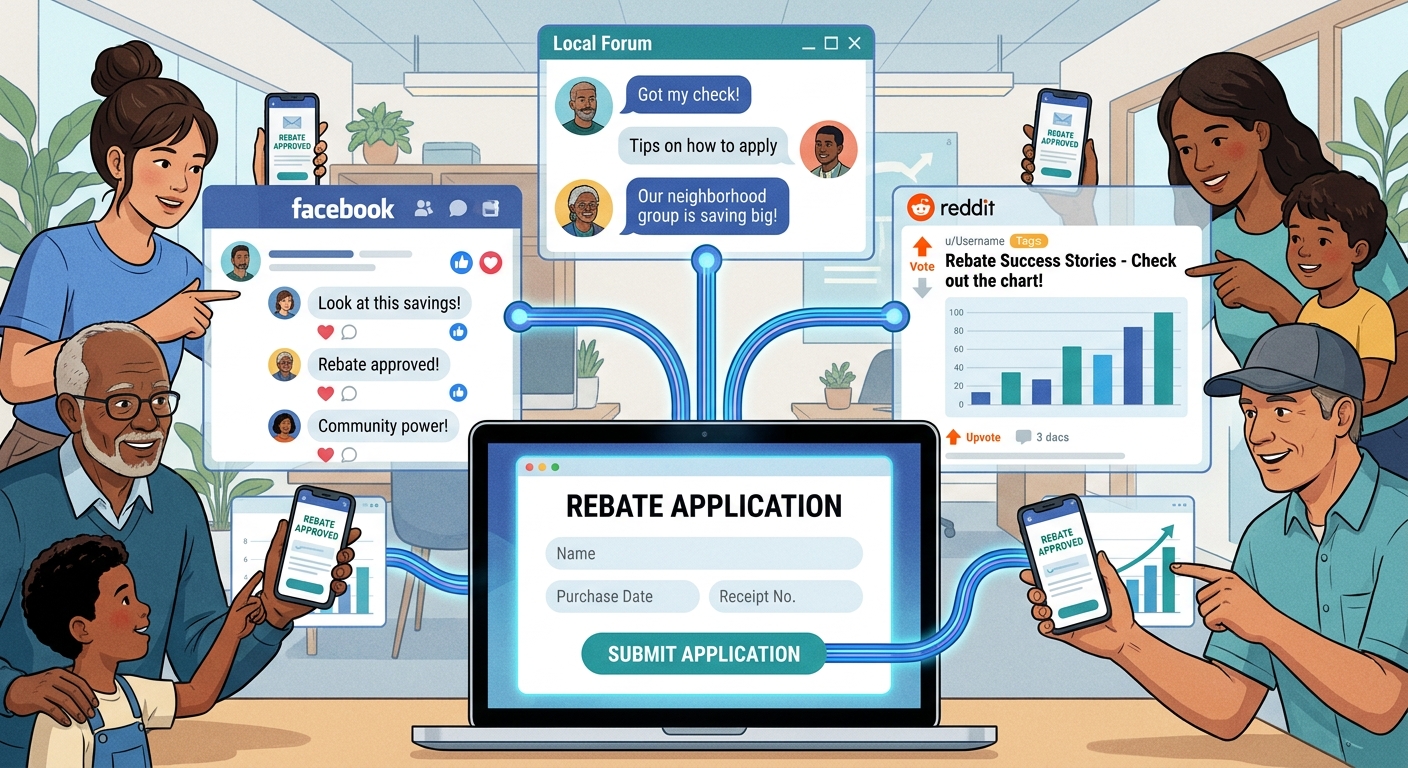
    You click a rebate link, fill out the form, cross your fingers, and move on. I get it. Most people are tired by the time they even reach the application page. The last thing they want is more homework. But that is exactly where many of the best savings hide. Not in the form itself, but in the people who keep posting, testing, and discussing that form. If you want to know how to find real community rebate groups, start by following the link back to whoever shared it first. Good rebate hunters often gather in tiny Facebook groups, Reddit threads, neighborhood forums, email lists, and comment sections where they compare approval times, upload screenshots, and warn each other when a portal quietly changes the rules. That “upstream” move can save you hours, help you avoid junk groups, and get you into communities that care about actual payouts, not just flashy links.

    ⚡ In a Hurry? Key Takeaways

    • To find real community rebate groups, do not stop at the form. Trace the link back to the person, page, or post sharing it.
    • Check comments, profiles, repeat posts, and linked groups to find small communities that share timing tips, templates, and approval updates.
    • Stick with groups built around real applications and verifiable results, not channels that push nonstop referral links or ask for sensitive data.

    The shortcut most people miss

    A rebate form looks like the finish line. It is not. It is usually the doorway.

    When a rebate is worth real money, somebody is talking about it somewhere. Often several somebodies. Maybe it is a utility customer group comparing heat pump approvals. Maybe it is a local Facebook group helping neighbors claim appliance credits. Maybe it is a Reddit thread where three power users have already figured out which upload format gets fewer rejections.

    The official page gives you rules. The community gives you reality.

    That is the heart of the Smart Form Follower shortcut. Instead of treating the application link like a one-and-done task, you ask a simple question. Who keeps sharing this, and where do they talk when they are not posting the link?

    Why this works so well right now

    Government programs, utility rebates, and niche shopping incentives are multiplying fast. The problem is that each portal feels like its own little maze. Different deadlines. Different proof requirements. Different definitions of “eligible.” It is easy to feel lost.

    But serious rebate programs leave a trail. A useful explainer post attracts comments. A good checklist gets reposted. A successful applicant tells friends what worked. Soon, a small halo forms around the original application link.

    That halo is what you want.

    It is where people swap:

    • screenshots of approved submissions
    • timing tricks for when portals reset or reopen
    • sample wording for invoices and receipts
    • vendor recommendations that qualify
    • warnings about common rejection reasons

    Official FAQs rarely get that specific. Communities do.

    How to find real community rebate groups from a single form

    1. Start with the source of the link

    If you found the application in a social post, do not click away after opening the form. Inspect the account that posted it. Look at their last ten posts. Are they always sharing the same kind of rebate, grant, or local savings offer? Do people reply with real questions and real outcomes?

    A reliable poster usually leaves clues. They may mention a private group, a newsletter, a subreddit, or a neighborhood page where deeper discussion happens.

    2. Read the comments before you apply

    This sounds basic, but it works. Comments often reveal whether the rebate is active, who got approved, and what paperwork caused trouble.

    Look for signs of a living community:

    • people reporting dates they applied and dates they were paid
    • follow-up answers from the original poster
    • other users linking to related threads or local groups
    • specific advice instead of vague hype

    If every comment says “thanks” or “DM me,” keep walking.

    3. Click through to the poster’s profile or site

    This is the upstream move. A person who shares one useful rebate link often shares five more. Maybe they run a tiny local deal page. Maybe they moderate a community for solar incentives. Maybe they post monthly updates on utility programs.

    You are not looking for influencer energy here. You are looking for pattern and proof.

    Ask yourself:

    • Do they post updates when rules change?
    • Do they mention rejection reasons?
    • Do they answer questions in plain language?
    • Do they seem focused on outcomes, not clicks?

    4. Search the exact rebate name plus community words

    Once you have the program name, search combinations like:

    • [rebate name] Facebook group
    • [rebate name] Reddit
    • [rebate name] approval timeline
    • [utility name] rebate forum
    • [city or state] energy rebate group

    This is one of the fastest ways to answer the question of how to find real community rebate groups without wandering into spammy deal channels.

    5. Follow repeated names

    In active rebate spaces, the same names tend to pop up. One person knows the income verification rules. Another tracks model-number eligibility. Another has a spreadsheet of approval times.

    When you see the same helpful names in multiple places, that is a strong sign you have found the real center of gravity.

    What a healthy rebate community looks like

    Not every group is worth your time. Some are dead. Some are bait for referrals. Some are just noise.

    A healthy rebate group usually has three things.

    Specificity

    People talk about actual programs, actual forms, actual dates, and actual outcomes.

    Recency

    Posts are current. If the latest update is from eight months ago, the information may already be wrong.

    Receipts

    Members share screenshots, approval emails, timeline reports, and document examples with sensitive details removed.

    That last part matters. Real communities tend to show evidence. Scammy ones tend to offer certainty without proof.

    Red flags that should make you back out fast

    Here is where a little caution saves a lot of trouble.

    • The group pushes one person’s referral link over and over.
    • Admins ask for your login, utility account password, or full ID documents in chat.
    • Nobody discusses approvals, denials, or paperwork details.
    • Every post sounds urgent, vague, or weirdly emotional.
    • Comments are full of copy-paste praise from fake-looking accounts.

    If you found a real rebate portal but the surrounding group feels sketchy, trust your gut. Use the official form directly and keep searching for a better community.

    A simple way to test whether a group is useful

    Before joining or spending time there, scan for answers to four practical questions:

    • What documents do people say caused the most trouble?
    • How long are recent approvals taking?
    • Are there model, vendor, or location quirks?
    • Has anyone posted a success story in the last 30 days?

    If you can find those answers in ten minutes, the group is probably alive and useful.

    If all you find is chatter, memes, and link drops, it is probably not where serious applicants spend time.

    Why small groups often beat giant deal feeds

    Big coupon feeds are fine for awareness. They are bad for nuance.

    Small rebate communities tend to be better because the members share the same friction. They have the same utility company. The same state rules. The same appliance list. The same weird portal bug. That shared context makes the advice far more practical.

    This is also why local discovery works so well. If you have ever spotted a rebate in the wild and wanted to know who else was paying attention, you may also like The ‘Billboard Honeycomb’ Shortcut: Turn Local Rebate Ads Into Real-Life Buying Circles. It pairs nicely with this approach because both methods start with a signal and then move toward the people around it.

    A safe workflow you can use today

    Here is the practical version.

    Step 1

    Open the rebate form, but do not submit yet.

    Step 2

    Go back to the page, post, ad, or article where you found it.

    Step 3

    Check who shared it, then read comments and linked resources.

    Step 4

    Search the exact program name with words like “group,” “forum,” “approval,” or your city name.

    Step 5

    Join one or two active communities and quietly read recent posts before asking questions.

    Step 6

    Use community advice to double-check your documents, timing, and eligibility before you submit.

    That extra ten or fifteen minutes can prevent an avoidable rejection.

    At a Glance: Comparison

    Feature/Aspect Details Verdict
    Official rebate portal alone Gives rules, forms, and eligibility basics, but often lacks real-world approval tips and recent user feedback. Necessary, but incomplete
    Small active rebate community Shares timelines, document examples, portal changes, and practical fixes based on recent submissions. Best source for real-world guidance
    Generic deal or coupon channel High volume, low context. Often packed with expired links, referrals, and little proof of outcomes. Use only for discovery, not decisions

    Conclusion

    Rebate portals can feel like a lonely maze, especially now that governments, utilities, and niche platforms keep rolling out new programs and new application tools. The good news is that the form is rarely the whole story. Around every serious rebate link, there is usually a small circle of people comparing notes, sharing templates, tracking approvals, and spotting rule changes before the official FAQ catches up. If you move upstream from the application to the humans organizing around it, you give yourself a safer, faster way to find real help. That is how to find real community rebate groups without wasting hours in dead coupon feeds or spammy Telegram channels. Follow the form, then follow the people. That second step is where the real savings often begin.

  • The ‘Billboard Honeycomb’ Shortcut: Turn Local Rebate Ads Into Real-Life Buying Circles

    The ‘Billboard Honeycomb’ Shortcut: Turn Local Rebate Ads Into Real-Life Buying Circles

    You are not imagining it. Rebate ads can feel like background noise with a countdown clock attached. One mailer promises a utility credit for a smart thermostat. A store banner pushes a bonus on appliances. The city posts a quick note about energy upgrades, then it vanishes into the feed. Most people see these offers one at a time, try to sort them out alone, and either miss the deadline or leave money on the table. The better move is to stop treating each ad like a solo bargain hunt. Start looking for patterns. When the same kinds of offers keep showing up across your utility, city program, and nearby retailers, that is your signal to build a small buying circle around them. That is the Billboard Honeycomb shortcut. You turn scattered rebate noise into a repeatable local system, where neighbors, friends, or coworkers can time purchases together and stack more value than any one person usually gets alone.

    ⚡ In a Hurry? Key Takeaways

    • Yes, you can find local rebate groups from city and utility offers by tracking repeated ad themes, then inviting a small circle to act on the same deal window.
    • Save every flyer, screenshot every banner, and sort them by category like appliances, energy upgrades, memberships, and seasonal promos to spot patterns fast.
    • Always verify eligibility rules, deadlines, and address requirements before anyone buys, because one missed detail can wipe out the savings for the whole group.

    Why local rebate ads feel so useless on their own

    Most rebate advertising is built to grab attention, not explain the full path. You get the shiny number. You do not get the bigger picture.

    A utility says “up to $100 back.” A store says “bonus card with purchase.” A city says “limited household slots available.” None of them tell you that the real value often shows up when several people move at once, compare notes, and catch stacking opportunities before the window closes.

    That is the gap. It is not just about finding a deal. It is about seeing when a deal is part of a pattern.

    What the “Billboard Honeycomb” shortcut actually means

    Think of each ad as one hexagon in a honeycomb. By itself, it is small. Put enough related pieces together, and a structure appears.

    The shortcut works like this:

    1. Collect the ad signals

    Grab utility inserts, retailer flyers, city newsletters, library boards, neighborhood Facebook posts, grocery store circulars, and bus stop banners. Do not judge them too early. Just save them.

    2. Sort by category, not by source

    This part matters. Group offers into buckets like:

    • Energy-saving products
    • Appliance replacement
    • Home weatherization
    • Membership or warehouse club promos
    • Back-to-school or move-in season offers

    Once you do that, random ads stop looking random.

    3. Look for repeat timing

    Do air purifier rebates show up every fall? Do smart thermostat offers pop up before peak summer? Do appliance credits return around holiday sales? Repeat timing is gold, because it gives your group something reliable to plan around.

    4. Turn the pattern into a buying circle

    When you can say, “Our utility, city, and two stores all have overlapping appliance or energy offers this month,” you have the start of a Rebate Clubs circle. Now it is not just a deal. It is a local playbook.

    How to find local rebate groups from city and utility offers

    If you are searching for how to find local rebate groups from city and utility offers, start with the places that already push public announcements but do not connect people to each other.

    Best places to check first

    • Your utility website’s rebates or energy savings page
    • City sustainability and housing department pages
    • Local big-box store weekly ads
    • Community center bulletin boards
    • HOA newsletters and apartment resident emails
    • School district family resource pages
    • Neighborhood Facebook groups and Nextdoor threads

    The goal is not to join every group you see. It is to find the signals that multiple households could use at the same time.

    If utility posts and local aid notices are already floating around your neighborhood, you may also like The ‘Utility Neighbor’ Shortcut: Turn Local Bill‑Help Posts Into Real Rebate Groups You Can Actually Join. It pairs well with this approach because both methods start with messy local announcements and turn them into something people can actually use.

    What makes a rebate pattern worth building a group around

    Not every offer deserves your energy. Some are too narrow. Some are too confusing. Some are one-and-done.

    A good pattern usually has three traits.

    It repeats

    If similar offers keep coming back, your group can prepare for them instead of scrambling.

    It fits more than one household

    A single-person niche discount is not much of a club builder. A broad offer on fridges, thermostats, insulation, or warehouse memberships is.

    It stacks cleanly

    The sweet spot is when one purchase might qualify for:

    • A utility rebate
    • A manufacturer promo
    • A store gift card or sale price
    • A city efficiency bonus

    That is where group attention pays off. One person may miss a layer. Ten people comparing receipts usually will not.

    How to build a small Rebate Clubs circle without making it awkward

    You do not need a giant online community. Start small and practical.

    Pick a narrow focus

    Do not launch a “deals group.” That gets messy fast. Start with one lane, such as:

    • Energy appliance rebates for this quarter
    • Fall weatherization offers
    • Retail membership sign-up bonuses

    Use one simple communication channel

    A text thread, WhatsApp group, or private Facebook chat is enough. Keep it tidy.

    Assign one person to verify the details

    This helps avoid the classic problem where everyone sees the headline but nobody reads the fine print.

    Track deadlines in one shared note

    Include purchase date, submission deadline, approved retailer list, and required documents.

    Compare outcomes after the first round

    Who got approved? Which store was easiest? Which rebate form was annoying? This is where your group starts getting smarter than the ads.

    Real-life example of the shortcut in action

    Say your local utility offers a rebate on smart thermostats. At the same time, a home improvement store runs a weekend sale. Then a city energy office shares a short post about home efficiency upgrades.

    Most people would treat those as separate announcements.

    A buying circle would do this instead:

    • Confirm which thermostat models qualify
    • Check if the store sale lowers the upfront price
    • See whether the city program adds a bonus, coupon, or installer list
    • Set one weekend for everyone to buy
    • Share submission screenshots so nobody misses a form step

    That is the jump from ad clutter to community savings.

    Common mistakes that kill the savings

    Buying before checking model numbers

    This one gets people all the time. “Eligible product” does not mean every version on the shelf.

    Missing household caps

    Some offers limit one rebate per address, meter, or account number.

    Ignoring approved seller lists

    A great price from the wrong seller can make the rebate invalid.

    Forgetting the submission window

    A purchase made on time can still fail if the paperwork goes in late.

    Making the group too broad

    Once people start mixing phone promos, grocery coupons, appliance deals, and tax credits in one place, the signal gets muddy. Keep each circle focused.

    How to spot “quiet” rebate pushes before everyone else

    The best local opportunities are often not the loudest ones. Watch for these clues:

    • A utility suddenly buying more ad space in local mailers
    • A city office posting the same program in several places in one month
    • Retail staff mentioning “instant savings” tied to energy products
    • Seasonal displays near thermostats, air filters, washers, or refrigerators
    • Membership deals timed to back-to-school, summer, or holiday rushes

    When the same theme pops up across more than one channel, pay attention. That usually means there is enough funding or promotion behind it to support a group effort.

    At a Glance: Comparison

    Feature/Aspect Details Verdict
    Solo rebate hunting Fast to start, but easy to miss stacking chances, deadlines, and local add-ons. Fine for simple offers, weak for bigger savings.
    Pattern tracking from ads Takes a little setup, but helps you see repeating city, utility, and retail rebate cycles. Best first step for finding group-worthy offers.
    Focused buying circle Members share research, timing, and submission tips around one category or promo window. Best option for repeatable, higher-value savings.

    Conclusion

    The next time a flyer, mailer, or banner ad screams “limited-time rebate,” do not just ask whether the offer is good. Ask whether it is part of a local pattern. Right now cities, utilities and retailers are quietly launching fresh rebate pushes around energy, appliances and memberships, but most shoppers bump into them alone and miss out on the bigger benefit that shows up when ten people time the same rebate together. If you learn to mine local ads and announcements for repeatable rebate patterns, then route that into a focused Rebate Clubs circle, you stop chasing random deals and start building stable, high-payout micro communities that can keep working long after one promo ends. That is the real shortcut. Not finding more ads. Turning the ads you already see into a circle that saves together.

  • The ‘Local Portal Buddy’ Shortcut: Turn Hidden City Rebate Pages Into Real Community Deal Squads

    The ‘Local Portal Buddy’ Shortcut: Turn Hidden City Rebate Pages Into Real Community Deal Squads

    You are not imagining it. Rebate hunting is weirdly harder than it should be. You join a few social groups, see lots of excited posts, maybe one screenshot of a check, then hit a wall when you try to find the real program. The money is often sitting on a city page, a utility portal, or a county PDF that looks like it was built to test your patience. Then come the income limits, approved product lists, contractor rules, and deadlines that seem to change every few weeks.

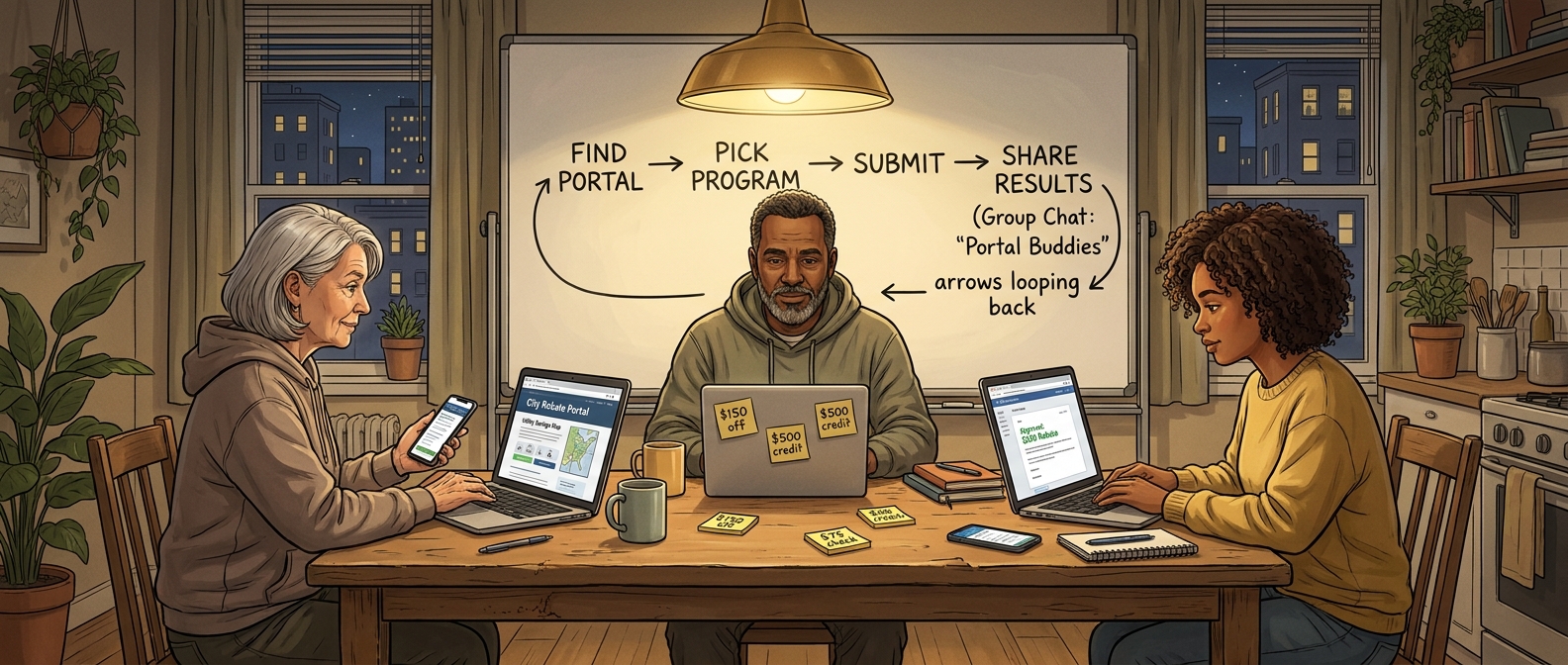
    That is why the smartest move is not joining ten noisy deal chats. It is picking one trusted local portal as your “portal buddy,” then turning that source into a tiny community inside Rebate Clubs. One person finds the page. A few neighbors help decode it. Suddenly you have pre-checked links, notes on what actually worked, and real-world timing from people nearby. That is how to use local rebate portals with community groups without drowning in fine print.

    ⚡ In a Hurry? Key Takeaways

    • Start with one official city, county, or utility rebate portal, not random social posts.
    • Use Rebate Clubs to turn that portal into a small local group that shares links, rules, timelines, and approved contractors.
    • Always double-check dates and eligibility on the official page, because many energy and climate programs are changing fast in 2026.

    Why the boring page usually beats the buzzy group

    The best rebates are often controlled by the least exciting websites on the internet.

    That sounds unfair, but it is true. Your local utility may have the real application link. Your city sustainability office may have the approved installer list. Your county may host the income chart that decides whether you get a few hundred dollars or a few thousand.

    Social posts are still useful. They alert you that something exists. But they are often one step removed from the source. That is where people get tripped up. They hear “free heat pump” or “big EV charger rebate,” but miss the part where the offer is only for certain ZIP codes, panel sizes, or household income levels.

    So the shortcut is simple. Use the social chatter to spot a lead. Then anchor yourself on one official portal.

    What a “Local Portal Buddy” actually is

    Think of it as your home base.

    Your portal buddy is the single official page you trust most for your area. Usually that is one of these:

    • Your city energy or sustainability rebate page
    • Your electric or gas utility rebate portal
    • Your county climate incentive page
    • Your state clean energy portal, if local pages point there

    Once you pick that one page, you stop bouncing between rumors and screenshots. You use it as the main reference. Then you build a small Rebate Clubs group around it so everyone can help make sense of the details.

    How to use local rebate portals with community groups

    Step 1: Pick one official portal, not five

    Start narrow.

    Search for your city name plus “rebates,” your utility name plus “energy efficiency rebates,” or your county name plus “home electrification incentives.” You want the page that links out to forms, program guides, and contact details.

    If two official pages seem to overlap, choose the one that appears to be updated most often. Look for “last updated” notes, current application windows, or 2026 program references.

    Step 2: Save the core links people always ask for

    Most local rebate confusion comes from the same repeat questions. Save the pages that answer them.

    • Main program page
    • Eligibility or income chart
    • Approved contractor list
    • Application form
    • Required documents checklist
    • FAQ page
    • Contact email or phone number

    Put those links into one post inside your Rebate Clubs group. That alone saves people hours.

    Step 3: Turn the portal into a micro community

    This is the part most people skip, and it is the part that makes the whole thing work.

    Inside Rebate Clubs, create a local thread or mini group for that exact portal. Keep it tight and practical. No hype. No vague “any updates?” posting. Organize it around what neighbors actually need to know.

    Good categories include:

    • Who applied and when
    • What documents were accepted
    • Which contractors were responsive
    • How long approvals took
    • Whether funds were still available
    • Which links were changed or moved

    Now the portal is no longer a lonely government webpage. It becomes a live local map.

    Step 4: Let one person verify, then let the group confirm

    You do not need everyone to become a rebate expert.

    One person can check the official page. Two or three others can confirm details from their own applications or calls. That is enough to catch mistakes fast. If a PDF was replaced, somebody notices. If an installer is no longer on the approved list, somebody flags it. If a rebate is technically open but funding is basically gone, real applicants usually know before the webpage spells it out clearly.

    What makes this better than a normal deal group

    Typical deal groups are broad. They are built for speed, not accuracy. That can be fun when you are chasing a coupon code. It is not so great when a missed checkbox could cost you a $2,000 rebate.

    A local portal group works better because it is:

    • Location-specific
    • Program-specific
    • Based on official sources
    • Updated by people who are actually applying nearby

    That last point matters. A rebate in one town can have different contractor rules, permit steps, or utility tie-ins than the same rebate one county over.

    How to avoid the common traps

    Do not trust screenshots without a source link

    Screenshots travel faster than facts. If someone posts a rebate amount, ask for the official page it came from.

    Do not assume “available” means easy to get

    Some programs are technically open but bottlenecked by contractor shortages, inspections, or income verification delays.

    Do not mix old and new program rules

    Mid-2026 is messy. A lot of energy and climate rebate portals are being revised, merged, or rewritten. Make sure your group labels updates clearly. “Old rules” and “current rules” can save people from expensive mistakes.

    Do not rely on one hero

    If only one person understands the portal, the group stalls when they get busy. Better to have a few people each track one piece, like timelines, income docs, or installer experiences.

    A simple setup that works well in Rebate Clubs

    If you want this to stay useful, keep the structure boring and clear. That is a compliment.

    • Pinned post: Official portal links and last checked date
    • Thread 1: Eligibility and income rules
    • Thread 2: Approved contractors and reviews
    • Thread 3: Application timelines and payout reports
    • Thread 4: Common mistakes and document tips

    This makes your local group searchable and calm, which is exactly what rebate hunting usually is not.

    Where local PSA posts still fit in

    Public notices are often the first clue that a rebate workshop, utility update, or sign-up event is happening. If you have ever ignored one of those sleepy-looking posts, you are not alone.

    They are worth another look, especially if they point back to an official program page. If you want a good companion strategy, read The ‘Neighborhood Noticeboard’ Hack: Turn Local PSA Posts Into Invite-Only Rebate Communities. It pairs nicely with this approach. Noticeboard posts help you spot the opportunity. Your portal buddy group helps you make sense of it.

    What to post in the group so people actually benefit

    You do not need long essays. You need useful field notes.

    Good posts look like this:

    • “Applied for City Heat Pump Rebate on June 4. Approval email came June 21.”
    • “Utility page changed the contractor list today. Here is the new PDF.”
    • “Income verification accepted last year’s tax return plus latest utility bill.”
    • “Program says open, but call center said funds may pause next month.”

    That is the gold. Real timing. Real paperwork. Real outcomes.

    Why this matters more right now

    Because 2026 is a moving target.

    Energy and climate rebates are being revised constantly. New funding rounds open. Old forms expire. Cities sync their pages with utilities. Utilities point back to state tools. A single person trying to track all of that alone will miss things.

    A small community can keep up much better than one stressed homeowner with twelve tabs open at midnight.

    At a Glance: Comparison

    Feature/Aspect Details Verdict
    Official local portal Has the real rules, forms, dates, and contact details, but can be confusing and slow to read Best source of truth
    General social deal group Fast alerts and lots of chatter, but details are often incomplete, outdated, or not local Good for spotting leads, weak for final decisions
    Rebate Clubs micro community Turns one trusted portal into a shared local reference with timelines, link checks, and real payout reports Best practical system for staying current

    Conclusion

    The trick is not becoming a rebate detective on your own. It is choosing one trusted local portal, then letting a small community help translate it into plain English and real next steps. That matters right now because energy and climate rebate portals are changing constantly in mid 2026, and most of them are painful for one person to cross-check alone. When you anchor on an official city or utility page and turn it into a micro group inside Rebate Clubs, you get pre-checked links, real timelines, and honest reports on which programs actually paid out. That is how confusing government pages become a live local rebate map, and how your community stops leaving free money on the table.

  • The ‘Co‑Cart’ Shortcut: Turn Bulk‑Buy Apps Into Real Rebate Communities You Can Actually Join

    The ‘Co‑Cart’ Shortcut: Turn Bulk‑Buy Apps Into Real Rebate Communities You Can Actually Join

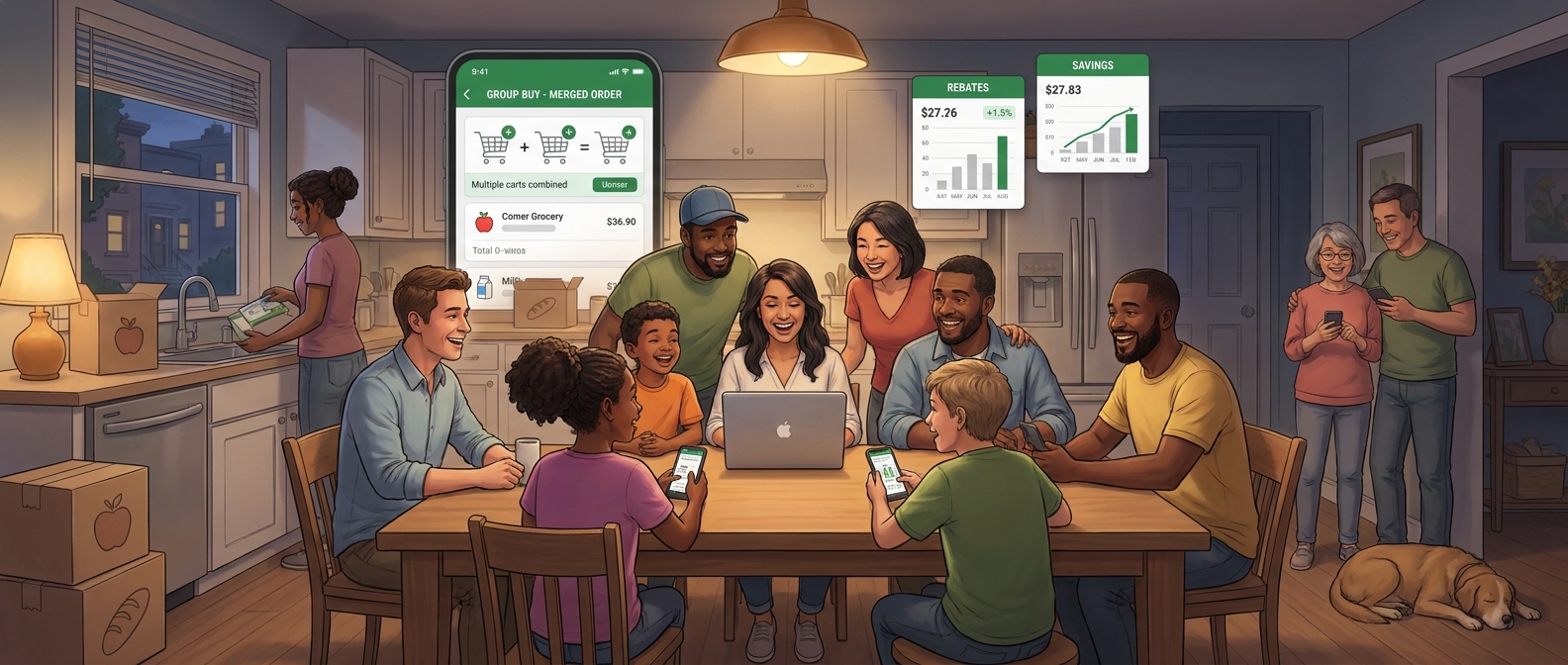
    You are not wrong to feel burned out by “deal groups.” You join one on Facebook, scroll past ten spam posts, three expired coupons, and one sketchy payment request, then wonder why saving money suddenly feels like a part-time job. The good news is the better discounts have not disappeared. They have moved. A lot of the real action now sits inside quieter bulk buying apps used by neighborhoods, parent groups, school communities, apartment buildings, and small business circles. That is where repeat orders happen, and repeat orders are what make real rebates possible. If you want to learn how to use bulk buying apps to join rebate groups, the trick is not just finding any app. It is finding an active buying pod, seeing whether orders happen on a schedule, and asking one simple question: “If we place this order every month, can we get standing pricing or a recurring rebate?” That question changes everything.

    ⚡ In a Hurry? Key Takeaways

    • Bulk buying apps work best when you join active private groups that order regularly, not noisy public deal channels.
    • Before joining, check for repeat purchases, clear payment rules, and a group organizer who posts deadlines and order history.
    • The biggest savings often come when you ask for recurring group pricing or a standing rebate, which is safer and more useful than chasing random one-off coupons.

    Why the old deal-group method stopped working

    The problem with big public groups is simple. They are built for attention, not trust.

    Anyone can drop in. Posts get buried fast. The “deals” are often affiliate links, referral bait, or offers that expire before most people even see them. Worse, there is usually no real group buying happening. Just a bunch of people looking at the same post by themselves.

    That is not collective buying power. That is crowd noise.

    Real rebate communities work differently. They buy together, often on the same schedule, from the same vendors, through the same organizer or app workflow. That consistency matters because sellers care less about one big order and more about repeat volume.

    What a bulk buying app actually does

    Think of a bulk buying app as a digital sign-up sheet with payment tools attached.

    Instead of fifty people texting “I’m in,” the app tracks who wants what, how much is needed to unlock a price break, when the order closes, and how pickup or delivery works. Some are built for neighborhood buying clubs. Others are used by schools, offices, churches, sports teams, and local business networks.

    The useful part for regular shoppers

    You do not need to own a business to benefit from business-style pricing. You just need to be part of a group that buys enough of the same things often enough to matter.

    That might mean pantry staples, cleaning supplies, printer paper, snacks for school events, pet food, produce boxes, or household basics. Boring items, honestly. But boring is where savings get steady.

    How to use bulk buying apps to join rebate groups

    Start with places where people already have a reason to trust each other. That is your best shortcut.

    1. Look for communities, not “deal hunters”

    Your best bets are:

    • Neighborhood associations
    • Apartment or condo resident groups
    • PTA and school parent circles
    • Church and community center groups
    • Small business networks
    • Local sports team parent chats

    If the group already coordinates anything, meals, events, supplies, fundraising, it is much easier to turn that into a repeat buying pod.

    2. Check whether the app supports group ordering clearly

    You want tools that make these things obvious:

    • Order deadlines
    • Minimum quantity targets
    • Price changes when volume increases
    • Named organizer or admin
    • Pickup or delivery details
    • Payment method inside the app or through a trusted invoicing system

    If the process feels vague, that is a warning sign. Good group buying tools reduce confusion. They do not add more of it.

    3. Watch one order before jumping into five

    Do not go all in on your first day. Join the group, read the last few posts or order notes, and see how it operates.

    Ask yourself:

    • Are people actually completing orders?
    • Does the organizer post updates on time?
    • Are members talking about past deliveries, not just future promises?
    • Do prices look realistic?

    A healthy rebate group has history. Not hype.

    4. Ask the question that turns a one-off order into a rebate club

    This is the move most people miss.

    Once a group successfully places one or two bulk orders, ask: “If we do this every month, can we get recurring group pricing, account credit, or a standing rebate?”

    That is the real shortcut.

    Vendors often say yes to repeat business in some form, even if they do not advertise it publicly. They may offer:

    • A fixed monthly discount tier
    • Credit after every third or fourth order
    • Free delivery once a spending threshold is reached
    • Member-only pricing for returning groups
    • Seasonal bonus rebates tied to order volume

    You are not begging for a coupon. You are asking for terms based on reliable demand.

    How to spot an active buying pod

    Not every private group is worth your time. Some are just quieter versions of the same mess.

    Here is what a solid group usually has:

    Regular rhythm

    Weekly, biweekly, or monthly ordering is a great sign. Random “maybe next month” activity is not.

    Clear organizer

    Someone should be responsible for deadlines, vendor contact, and updates. If nobody seems in charge, things fall apart fast.

    Shared purpose

    The best groups are built around a need, not just a love of discounts. Parents need snack packs. Neighbors need household staples. Offices need coffee and paper goods. Need keeps the group alive.

    Simple money rules

    Payment should be upfront, documented, and easy to verify. Avoid groups where one person asks everyone to send money to a personal account with no records.

    Safety checks that keep you away from scams

    This matters. A lot.

    Social media “deal” culture trained people to move fast. Scammy sellers love that. Real group buying should feel organized, not rushed.

    Green flags

    • Known members or locally connected members
    • Past order screenshots or invoice history
    • Named supplier with real contact info
    • Order summaries visible to members
    • Clear refund or substitution policy

    Red flags

    • Pressure to pay immediately through gift cards or unusual apps
    • Deals that sound wildly cheaper than normal retail
    • No mention of vendor name or delivery timeline
    • Admin accounts with little history
    • Constantly changing terms

    If it feels slippery, walk away.

    Where many people find these groups now

    You may not find the best rebate communities by searching “best coupon group.” Try searching by function instead.

    Look for phrases like:

    • community purchasing group
    • neighborhood bulk order
    • school supply buying club
    • co-op order app
    • group ordering for residents
    • local wholesale club for families

    The language is often less flashy because these groups are built to run, not to go viral.

    If you like this smaller, trust-based approach, you may also like The ‘Micro‑Niche Meetup’ Shortcut: Turn Tiny Interest Groups Into High‑Power Rebate Communities, which gets into why smaller circles often beat giant public groups for repeat savings.

    What to say when you want to join

    You do not need a perfect script. Keep it simple and normal.

    Good questions to ask

    • How often does this group place orders?
    • What items usually hit the best price breaks?
    • How do payments work?
    • Is there a minimum order to join?
    • Has the vendor offered repeat-order discounts before?

    That last question is especially useful. It tells you whether the group is thinking long term or just chasing one lucky deal.

    If there is no rebate club yet, you can help start one

    This sounds bigger than it is.

    Sometimes all you need is one successful group order and a little follow-up. If your neighborhood, school, or parent group already buys the same things over and over, suggest a trial order for a product everyone recognizes and uses.

    Keep it boring. Keep it practical.

    Then track:

    • How many people joined
    • Total order size
    • How much each person saved
    • Whether the vendor seemed open to repeat pricing

    After that, ask for a standing arrangement. That is how casual coordination turns into a real rebate community.

    At a Glance: Comparison

    Feature/Aspect Details Verdict
    Public deal groups High volume of posts, low trust, lots of expired offers and little repeat buying structure Good for browsing, weak for stable rebates
    Private bulk buying apps Structured orders, clear quantities, recurring schedules, easier to build vendor relationships Best option for joining real rebate groups
    Standing rebate clubs Built on repeat orders, trusted organizers, and negotiated recurring discounts or credits Most reliable way to save month after month

    Conclusion

    The big shift right now is simple. Real collective buying power is moving into quieter tools used by neighborhoods, schools, small businesses, and local communities, not loud public deal groups full of noise. If you learn how to spot those tools, join a buying pod that actually orders on a schedule, and ask for recurring group pricing or a standing rebate, you can tap into savings that used to feel reserved for businesses and formal co-ops. It is a smarter, calmer way to save. And best of all, it keeps you far away from the scammy side of social media deals.

  • The ‘Utility Neighbor’ Shortcut: Turn Local Bill‑Help Posts Into Real Rebate Groups You Can Actually Join

    The ‘Utility Neighbor’ Shortcut: Turn Local Bill‑Help Posts Into Real Rebate Groups You Can Actually Join

    You are not wrong to feel like these utility-help posts are impossible to pin down. One day it is a church bulletin about power-bill relief. The next day it is a Facebook post about a city energy credit. Then it disappears, and you are left wondering who was actually behind it. That is the frustrating part. The public post is usually just the tip of the iceberg. Underneath it, there is often a real person, a nonprofit, a city office, a utility partner, or a neighborhood coordinator quietly putting a group together so more people can qualify for better rebates, payment help, or rewards. If you want to know how to find local community rebate groups, stop treating these posts like one-time announcements. Start treating them like clues. Once you do that, random bill-help messages become a map to the real organizers you can contact, join, and stay connected with long after the original post is gone.

    ⚡ In a Hurry? Key Takeaways

    • The fastest way to find local community rebate groups is to trace every utility-help post back to the human organizer, department, or nonprofit behind it.
    • Save the flyer, screenshot the post, then call or email the listed office and ask what partner groups, signup lists, or recurring programs are connected to it.
    • Stick with city agencies, utility websites, churches, libraries, and known nonprofits first. That helps you avoid scams while finding the real long-term programs.

    The shortcut is simple. Follow the organizer, not the post.

    Most people stop at the ad. That is understandable. The ad feels like the offer. But in a lot of cases, the offer is just the front door.

    A church flyer about emergency bill help may be funded by a local nonprofit. A city page about smart thermostat rebates may be tied to a community enrollment program. A utility post about demand-response rewards may run through neighborhood ambassadors, senior centers, or housing groups.

    That means the question is not just, “Can I get this discount?”

    The better question is, “Who is organizing this, and what else are they running?”

    Why this works better now than it used to

    There has been a real spike in cost-of-living relief programs, energy savings campaigns, weatherization drives, and local rebate partnerships. Utilities want lower peak demand. Cities want residents to use available assistance. Nonprofits want to reach more households. Vendors want group signups.

    So a lot of organizations are teaming up in ways that are not obvious from a single post.

    You may only see “Free home energy workshop Tuesday” or “Apply for shutoff protection help.” Behind that, there may be a mailing list, a neighborhood enrollment group, a bulk-purchase program, or a referral network that keeps sending new rebate offers.

    That is the hidden value. You are not just chasing one bill credit. You are finding the people who hear about the next one first.

    How to find local community rebate groups from a single flyer or post

    1. Screenshot everything before it disappears

    Do this first. Save the Facebook post, flyer, Eventbrite page, city calendar entry, or church bulletin image.

    Look for these clues:

    • Organization names
    • Staff names
    • Phone numbers
    • Email addresses
    • Partner logos
    • Event location
    • Utility account requirements
    • Words like “in partnership with,” “hosted by,” or “funded through”

    Those little details matter. They tell you who is doing the real work.

    2. Find the official version of the offer

    If the post was on social media, search the exact program name plus your city or utility name. If the flyer mentions “energy relief,” “bill assistance,” or “share the light,” search those words with the names of any listed organizations.

    Your goal is to find the official page, not just a repost.

    That is usually where you will spot the connected departments, sponsors, and signup forms.

    3. Call and ask the one question that opens doors

    Use plain language. Say this:

    “I saw your post about bill help. Is this part of a larger community program or partner group I can join to hear about future rebates and energy-saving offers?”

    That question works because it moves the conversation from a one-time application to an ongoing relationship.

    Often the answer will be something like:

    • “Yes, we have a neighborhood workshop list.”
    • “Yes, our nonprofit works with the utility on other programs too.”
    • “Yes, the city sustainability office sends updates.”
    • “Yes, our housing partner handles group signups.”

    4. Ask who else they work with

    This is the part people skip. Do not.

    After you confirm the program is real, ask:

    • Who are your community partners?
    • Do you host events with libraries, churches, or neighborhood groups?
    • Is there a mailing list for future offers?
    • Are there other rebate or assistance programs you recommend?

    That is how one small post turns into three or four useful contacts.

    The best places to trace these groups

    City government pages

    Check sustainability offices, community services, housing departments, senior services, and emergency assistance pages. These often link to nonprofit partners and pilot programs that do not show up in a normal search.

    Utility company websites

    Go beyond the main “rebates” page. Check sections for bill assistance, energy savings, demand response, community outreach, and low-income support. Utilities often work through local enrollment partners.

    Churches and faith groups

    Many churches help distribute emergency utility funds or host sign-up events. Even if you are not a member, they may know which agency or coalition is coordinating help in your area.

    Libraries and community centers

    These are underrated. Staff often know about workshops, enrollment days, and city outreach events before they get broad attention.

    Local news sites and radio stations

    Small local outlets often mention the organizer name even when social posts do not. That can give you the exact nonprofit or office to contact.

    Look for signs that a “one-time” offer is really a group program

    Here are some tells:

    • The post mentions registration windows or waitlists
    • There is a workshop, webinar, or in-person signup day
    • Multiple logos appear on the flyer
    • The language mentions “participants,” “cohort,” “residents,” or “enrollment partners”
    • The program bundles products or services, like thermostats, insulation, internet, or solar consultations

    Those usually mean there is some structure behind it. Structure means people. People mean a group you can likely reconnect with later.

    What to say when you reach a real person

    You do not need insider language. Keep it simple.

    Try this script:

    “Hi, I saw your post about utility bill help. I’m interested in the current offer, but I also wanted to ask whether you run a community group, email list, workshop series, or partner program for future rebates and savings programs.”

    If they sound rushed, ask just one follow-up:

    “Who is the best person or office to contact about ongoing programs like this?”

    That is often enough to get the real lead.

    How this connects to other rebate-group shortcuts

    Sometimes the organizer you find through a utility-help post is the same kind of local connector you would meet at an expo, a trade event, or a neighborhood fair. If that sounds familiar, you may also like The ‘Event Piggyback’ Shortcut: Slip Into Real-World Rebate Groups Hiding Inside Local Sales & Trade Events. It covers another practical way to meet the people behind offers that seem random from the outside.

    Red flags to watch for

    Requests for upfront payment

    Real assistance or rebate programs do not usually ask for an application fee through cash apps or gift cards.

    No traceable organization

    If you cannot find a utility, city office, nonprofit, church, or business with a real address and phone number, be careful.

    Pressure to act before you can verify

    Urgency is common in scams. A real program may have deadlines, but staff should still be willing to explain who they are.

    Generic forms asking for too much

    Be cautious if a random link asks for your Social Security number, banking information, or full account access before you have confirmed the program is real.

    Build your own mini contact list

    Once you find one legitimate organizer, do not let that trail go cold.

    Make a short list on your phone or in a notes app with:

    • Program name
    • Organizer name
    • Department or nonprofit
    • Email and phone number
    • Partner organizations
    • When the next signup window opens

    After a month or two, you will often have a much clearer map of who really runs local savings programs in your area.

    That is how you stop starting from zero every time a new post appears.

    At a Glance: Comparison

    Feature/Aspect Details Verdict
    Random social post Good for spotting an offer, but often missing organizer details and follow-up paths. Useful clue, not the finish line.
    Official city, utility, or nonprofit contact Usually reveals partner programs, mailing lists, workshops, and related rebates. Best route to real community rebate groups.
    One-time aid vs ongoing group access Emergency help may solve today’s bill, while group connections can lead to future savings and repeated offers. Aim for both, if you can.

    Conclusion

    The next time you see a half-clear post about utility help, do not shrug and move on. Treat it like a breadcrumb. Right now there is a sharp rise in community programs tied to energy costs, bill relief, demand-response rewards, and service rebates. That means more organizers, coordinators, and partner nonprofits are quietly bundling people together to unlock better deals. Most people only see the public ad and never step through the door. You can. If you start viewing every utility-help post, church flyer, and city rebate page as a path to a real human contact, you will be much better at how to find local community rebate groups. And once you find the people behind the post, you are not just chasing one offer. You are building access to the next one too.

  • The ‘Event Piggyback’ Shortcut: Slip Into Real-World Rebate Groups Hiding Inside Local Sales & Trade Events

    The ‘Event Piggyback’ Shortcut: Slip Into Real-World Rebate Groups Hiding Inside Local Sales & Trade Events

    You are not imagining it. Finding real rebate groups online can feel like walking through a hallway full of unlabeled doors. One link leads nowhere. Another wants your payment info too fast. A third looks active until you realize the last real post was months ago. That is why a surprisingly simple move works so well. Stop hunting only inside social feeds and start showing up where rebate-minded people already gather in public. If you want to know how to find local rebate groups at community events, the trick is not just attending an event. It is spotting the people behind the tables, sign-in sheets, sponsor lists and breakout sessions who already organize buying circles, discount pools and rebate programs. Cities, HOAs, churches, chambers of commerce and trade events often put these people in one room. Most attendees focus on the freebies. The smarter play is to meet the humans who know where the real savings live.

    ⚡ In a Hurry? Key Takeaways

    • Public community events are often the easiest place to find real local rebate groups without relying on sketchy invite links.
    • Read event pages, organizer notes, sponsor lists and attendee details before you go, then ask direct questions on-site about group discounts and rebate programs.
    • Face-to-face meetings are usually safer than blind online joins because you can verify who runs the group and how the savings actually work.

    Why this shortcut works

    Most rebate groups do not advertise themselves loudly. That sounds backward, but it makes sense.

    The best ones are often built around trust. A church budget committee. A neighborhood energy-upgrade group. A local contractor network. A small business association. A parent group sharing bulk-buy deals. These communities usually grow through people who already know one another, or at least share a real local connection.

    That is why public events matter. They act like a safe front door.

    An energy fair, small business expo, HOA vendor night or church resource event may look ordinary from the outside. But inside, it often gathers exactly the kind of people who know which rebate programs pay, which group discounts are real and which online groups should be avoided.

    How to find local rebate groups at community events

    You are not going to every event in town. You are choosing the right ones.

    Look for events with practical money themes

    Start with events tied to saving money, upgrading property or buying in groups. Good examples include:

    • Home and garden shows
    • Energy-efficiency workshops
    • HOA annual meetings with vendors
    • City sustainability fairs
    • Church community resource days
    • Small business networking breakfasts
    • Trade association expos
    • Local contractor and supplier showcases

    If an event mentions incentives, approved vendors, neighborhood improvement, member pricing, business resources or community purchasing, pay attention. Those are clues.

    Read the event page like a treasure map

    This is the part most people skip.

    Before you attend, study the event page. Not casually. Properly. Check:

    • The organizer name
    • Co-hosts and sponsors
    • Vendor or exhibitor lists
    • Panel topics
    • Registration notes
    • Attendee comments
    • PDF flyers or linked agendas

    You are looking for signs that real rebate communities may be nearby. Phrases like “member savings,” “preferred supplier network,” “bulk purchase initiative,” “community upgrade program,” or “local partner incentives” are often gold.

    If this kind of clue-hunting sounds familiar, it pairs nicely with The ‘Neighborhood Noticeboard’ Hack: Turn Local PSA Posts Into Invite-Only Rebate Communities. The same idea applies here. Public posts that look boring often lead to the real local insiders.

    Check who is in the room before you get there

    The participant list can tell you more than the event headline.

    Say a city workshop is about home weatherization. Fine. But if the sponsor list includes a credit union, two local installers, a neighborhood coalition and a church outreach office, that event is no longer just a workshop. It is a meeting point.

    That is where you may find:

    • People who pool purchases to hit discount thresholds
    • Organizers who know active rebate clubs
    • Business owners who quietly share referral-based savings groups
    • Residents already using local incentive programs

    What to do at the event

    Do not open with “Can you add me to your group?”

    That comes too fast. You want a real conversation first.

    Instead, ask simple questions:

    • “Are people here coordinating purchases as a group?”
    • “Is there a local discount network people use for this?”
    • “Do you know who helps residents or members combine rebate deals?”
    • “Are there any local groups you trust for this kind of savings?”

    Those questions are friendly, specific and not pushy. They also help you spot who actually knows the local scene and who is just staffing a table.

    Talk to the non-obvious people

    Everyone goes straight to the flashy vendor booth. Sometimes that works. Often, the better lead is the quieter person checking people in, moderating a panel or introducing sponsors.

    Why? Because organizers and community partners usually know who keeps showing up and who runs reliable programs.

    A church admin may know the family network that coordinates appliance rebates. An HOA board member may know the resident who runs a neighborhood contractor discount list. A chamber staffer may know the business buying group that saves members real money every quarter.

    Listen for the trust signals

    You are trying to avoid scammy groups. So listen carefully.

    Good signs include:

    • They explain clearly how the rebate works
    • They can name real local partners
    • They do not rush you to pay or join on the spot
    • They mention past events, members or community references
    • They are comfortable answering boring questions about process

    Bad signs include:

    • They avoid specifics
    • They promise huge savings with no paperwork or rules
    • They want upfront money before explanation
    • They push you to use a random app or private link immediately
    • They cannot tell you who else is involved locally

    The best event categories for rebate-club piggybacking

    City and county events

    These are often the safest starting point. Public agencies may host workshops on energy upgrades, water saving, storm prep, business grants or neighborhood improvement. Even if the city itself is not running a rebate group, the partner organizations at the event may be.

    HOA and condo association meetings

    These are underrated. When a whole building or neighborhood wants roofing, solar, landscaping, pest control, windows or security upgrades, group pricing becomes very attractive. Rebate-minded residents often organize quietly through committees or resident circles.

    Churches and faith-based community fairs

    These events often bring together trusted local families, support ministries and business owners. That trust matters. Savings groups formed in these spaces may be smaller and less visible online, but often more stable.

    Small business and trade events

    If you run a small business, this is a big one. Trade shows, chamber mixers and supplier expos can connect you to group purchase programs, merchant rebate pools and member-only vendor discounts that are much harder to find through random searching.

    A simple plan for your first event

    If this feels like a lot, keep it basic.

    1. Pick one event with a money-saving angle.
    2. Read the event page and note three names. Organizer, sponsor, vendor.
    3. Prepare two questions about local group discounts or rebates.
    4. Attend for 30 to 60 minutes.
    5. Talk to at least three people.
    6. Only follow up with groups that explain things clearly and feel grounded in the local community.

    That is it. You do not need to work the whole room like a salesperson. You just need one good lead.

    Why face-to-face beats blind clicking

    Online groups can be useful. But they are also easy to fake.

    At a real-world event, you can do something the internet often blocks. You can connect a person to a place, a role and a reputation. If someone says they run a local rebate network, you can ask who else is involved. You can see whether others know them. You can tell whether their explanation makes sense.

    That lowers the chance of joining a dead group, a sloppy operation or an outright scam.

    And if you are a Rebate Clubs member, this matters even more. Better communities usually mean better offers, faster trust and fewer wasted hours chasing junk links.

    At a Glance: Comparison

    Feature/Aspect Details Verdict
    Finding groups online only Fast, but often full of stale links, fake invites and little proof of who is behind the group. High convenience, higher risk.
    Piggybacking on community events Takes a bit more effort, but gives you real conversations, local references and safer entry points. Best balance of trust and payoff.
    Reading organizer and participant clues Helps you spot where group discounts and rebate leaders are likely to appear before you even leave home. Smartest first step.

    Conclusion

    The big opportunity is hiding in plain sight. Cities, HOAs, churches and business networks are already putting deal seekers, organizers and trusted local partners in the same room. Most people walk past the best part and focus only on the event itself. If you learn how to read event pages, organizer notes and participant lists like a treasure map, you can find safer, higher-payout rebate communities through real conversations instead of blind clicks. For Rebate Clubs members, that can mean better rebates, faster trust and far less risk. And right now, with scam groups multiplying and household budgets under pressure, that is not just helpful. It is important.