Author: ehudsegev

  • The “Utility Bill Side Chat” Shortcut: Turn Comment Sections Into Real Rebate Clubs You Can Join

    The “Utility Bill Side Chat” Shortcut: Turn Comment Sections Into Real Rebate Clubs You Can Join

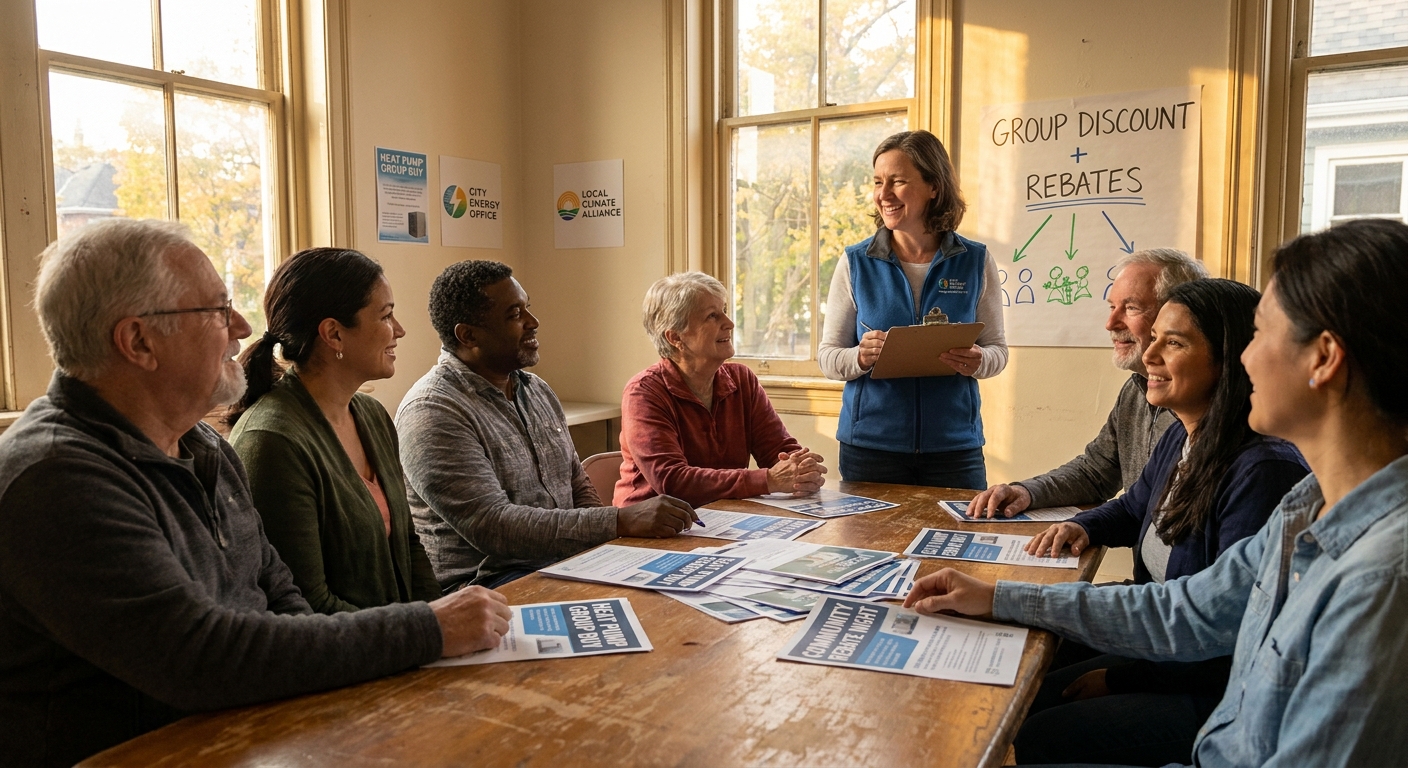
    You have probably seen the post. Your utility company announces a “limited-time rebate” for insulation, heat pumps, smart thermostats, or EV chargers. The comments fill up fast. One neighbor asks if renters qualify. Another says a contractor quoted double what they expected. Someone else cannot figure out whether the rebate comes before or after installation. It gets messy in a hurry, and most people do the same thing. They read a few comments, feel more confused than before, and move on. That is exactly how good rebate money slips away.

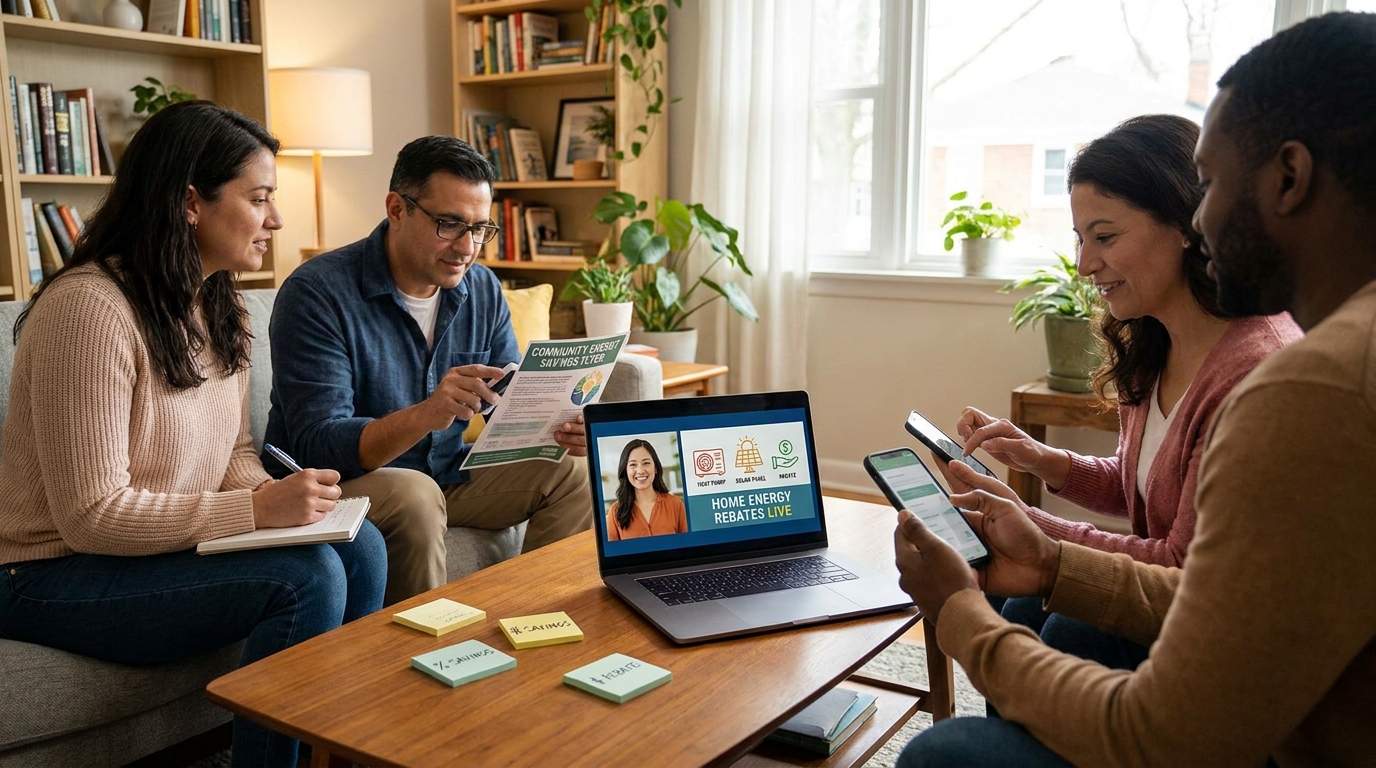
    The better move is to treat that comment section like the start of a local club, not the end of a social post. If three, five, or ten households are all trying to decode the same program, compare the same quotes, and hit the same deadline, they should not do it alone. A small private group can turn scattered frustration into better questions, cleaner records, and stronger contractor calls. If you are wondering how to join community rebate groups from utility posts, the answer is usually much simpler, and safer, than people think.

    ⚡ In a Hurry? Key Takeaways

    • Start with the comments under utility or city rebate posts, then move interested neighbors into a small private chat with a clear goal and deadline.
    • Use the group to compare quotes, approved contractors, paperwork steps, and rebate deadlines before anyone books alone.
    • Never share full account numbers, utility login details, or IDs in the group. Keep it to public program info and quote comparisons.

    Why utility comment sections are secretly useful

    Most public comment threads look like noise. Some of it is noise. But hidden inside that mess is a real pattern. People in the same area are running into the same problems at the same time.

    That matters.

    If your city announces a home energy rebate, your neighbors are often trying to answer the exact same questions you have. Which contractors are actually approved? How long are rebates taking? Do you need a pre-inspection? Is the “up to $8,000” number realistic, or marketing fluff?

    One person asking those questions gets a partial answer. Six households asking together usually get a much clearer picture.

    How to join community rebate groups from utility posts

    You do not need a fancy app or a formal neighborhood committee. You just need a simple process that gets the right people out of the public thread and into a focused private space.

    1. Look for signals in the comments

    Start with posts from your utility company, city government, county office, or local energy department. Read the comments for people who are:

    • Asking practical questions
    • Mentioning they already got a quote
    • Saying they are confused by the rules
    • Looking for contractor recommendations
    • Trying to meet a program deadline

    These are your people. They are not just browsing. They are trying to act.

    2. Reply publicly, then invite privately

    Do not jump straight into a random direct message asking for phone numbers. That feels sketchy, and honestly, it should.

    Instead, reply in the thread with something simple like:

    “A few of us seem to be trying to figure this out at the same time. If people want, we could start a small chat to compare approved contractors, deadlines, and paperwork.”

    That gives people context. It also lets them opt in.

    3. Move to one simple private space

    Once two or three people respond, pick one place to continue:

    • A small Facebook Messenger group
    • A WhatsApp chat
    • A group text
    • A private neighborhood app thread
    • A shared Google Sheet plus email thread

    Keep it boring. Boring is good. People are more likely to join something that feels familiar.

    4. Set the purpose right away

    Your first message should explain what the group is for.

    Try something like this:

    “This group is just for comparing rebate info for the utility heat pump program. Let’s share approved contractors, quote ranges, deadlines, and what paperwork each of us gets asked for.”

    That one message prevents the group from drifting into off-topic chatter.

    What a good rebate circle actually does

    A useful group is not just a place to vent. It should help members make better decisions faster.

    Compare apples to apples

    Contractor quotes can be wildly inconsistent. One installer may include permit fees and electrical work. Another may not. One may promise to “handle the rebate” but not say how. A group helps people notice those differences before signing.

    Create a simple list:

    • Contractor name
    • Quoted price
    • Equipment model
    • What is included
    • Estimated rebate amount
    • Timeline
    • Whether they are utility-approved

    That one list can save people thousands.

    Catch fine print early

    Rebate programs love fine print. Sometimes the equipment has to be on an approved list. Sometimes the work must start after approval. Sometimes the home must meet income rules. Sometimes you only qualify if a participating contractor submits the paperwork.

    If one member of the group finds a rule buried on page seven, everyone benefits.

    Push contractors to be clearer

    Contractors tend to speak more carefully when they know customers are comparing notes. You do not need to be aggressive. You just need to be informed.

    Even a simple sentence helps: “A few households in our area are reviewing quotes this week. Can you confirm whether permit fees, rebate filing, and panel work are included?”

    That changes the tone fast.

    How to keep the group safe

    This is the part people skip, and it matters.

    A rebate group should make life easier, not expose your personal information.

    Do not share sensitive account details

    Never post:

    • Utility account numbers
    • Full address if you are not comfortable
    • Driver’s license photos
    • Tax returns
    • Utility login screenshots
    • Bank details

    If someone needs to show proof of a rebate step, crop the image first.

    Keep money decisions individual

    The group can compare quotes and discuss options. Each household should still sign its own contract, read its own paperwork, and confirm its own rebate rules.

    This is not a buying club with a treasurer. It is a shared research circle.

    Watch for fake helpers

    If a stranger appears and says “DM me, I can process your rebate” or asks for screenshots, slow down. That is a red flag.

    If you have seen this kind of thing on social platforms before, you might also like The “Brand DM Shortcut”: Turn Tiny Instagram Rebate Posts Into Real Buyer Groups You Can Join Today. It covers the same basic problem in a different setting. Public posts attract real opportunities, but also confusion and a few shady shortcuts.

    A simple script you can copy

    If you want to start or join one of these groups, here is a low-pressure message that works:

    “I’m also trying to figure out this rebate. A few of us could make a small private chat to compare approved contractors, quote ranges, deadlines, and paperwork. No personal account info, just notes so we don’t all have to sort through this alone.”

    That message is clear, useful, and not pushy.

    What to do in the first 48 hours

    Once the group starts, momentum matters. People lose interest fast if nothing happens.

    Day 1

    • Post the official program link
    • Post the deadline if there is one
    • Ask each member what rebate they are trying to use
    • Make a list of approved contractors

    Day 2

    • Start the shared quote comparison sheet
    • List open questions no one can answer yet
    • Assign one member to call the utility help line
    • Ask members to report back on response times and quote details

    That is enough to turn a loose chat into something that actually saves people money.

    When a rebate circle works best

    These small groups are especially helpful when:

    • The program is new
    • The rebate amount is large
    • There are only a few approved contractors
    • Application windows are short
    • Equipment and eligibility rules are confusing

    In other words, exactly the kind of utility posts people are seeing right now.

    When to skip the group idea

    Not every situation needs this much effort.

    If the rebate is simple, the amount is small, and the process is basically “buy item, upload receipt, done,” a private group may be overkill.

    But if it involves home upgrades, contractor bids, financing offers, inspections, or multiple forms, group notes can make a big difference.

    At a Glance: Comparison

    Feature/Aspect Details Verdict
    Public comment section Good for spotting interest, common questions, and active neighbors, but information gets buried fast. Useful starting point, not the best place to finish.
    Small private rebate group Best for comparing quotes, deadlines, contractor lists, and paperwork steps in one place. Best option for bigger home rebate programs.
    Going alone Simpler at first, but easier to miss fine print, overpay, or accept a weak quote without context. Fine for small rebates. Riskier for major installs.

    Conclusion

    Right now, utility and city social feeds are full of “free money” posts that make people feel rushed, confused, and on their own. That is why so much rebate money goes unclaimed, or gets scooped up by installers talking to each household one at a time. The fix is not complicated. Start in the comments, find the neighbors asking the same questions, and move into a small private rebate circle with a clear purpose. When regular households walk into contractor calls with shared quote data, better questions, and real deadlines, they have a much better shot at getting the full rebate instead of whatever scraps are left. People are already comparing notes in public. They just need a safe, simple next step that turns chatter into action.


  • The “Brand DM Shortcut”: Turn Tiny Instagram Rebate Posts Into Real Buyer Groups You Can Join Today

    The “Brand DM Shortcut”: Turn Tiny Instagram Rebate Posts Into Real Buyer Groups You Can Join Today

    You are not imagining it. Those tiny Instagram and TikTok posts promising “100% cashback” or “free after rebate” often look half-helpful and half-sketchy. One story disappears in 24 hours. Another account tells you to “DM for the link.” Then a stranger wants your email, your PayPal, maybe even a screenshot of your order. That is usually the moment smart people back away, and honestly, that instinct is doing its job. The good news is that some of these deals are real. Brands, utility companies, and rebate platforms really do use social posts to push short-window offers, especially on household products, water-saving gear, and energy-efficient upgrades. The trick is not to trust the post. The trick is to verify the offer, move the conversation into a safer channel, and only join buyer groups that act like organized deal communities, not secret little DM clubs.

    ⚡ In a Hurry? Key Takeaways

    • Yes, you can safely join rebate groups from social media, but only after you verify the offer outside the original post or DM.
    • Ask for a public link, the rebate terms, and the brand or utility source before you buy anything or share personal details.
    • Real groups focus on receipts, timelines, and rules. Fake ones push urgency, private payments, and vague “review club” promises.

    The “Brand DM Shortcut” really means this

    When people talk about a shortcut, they usually mean this: a brand posts a tiny promo on social media, someone spots it fast, then a small group helps each other confirm the rebate and buy before the offer expires.

    That can be useful. It can also go wrong fast.

    The safest version of this shortcut is not “trust the person in your DMs.” It is “use the social post as a clue, then verify everything in the open.” That is the heart of how to safely join rebate groups from social media.

    Start with the post, but do not stop there

    A social post should be treated like a tip, not proof.

    Look for a trail you can follow

    If an Instagram reel says a faucet aerator, smart thermostat, or appliance is free after rebate, you should be able to find at least one of these:

    • A brand website mentioning the offer
    • A utility company rebate page
    • A retailer listing with matching product details
    • Official rebate terms, dates, limits, and submission rules

    If the only path is “DM me for details,” slow down.

    Check whether the account looks real

    You do not need detective-level skills here. Just use common sense.

    • Does the account have normal posting history?
    • Do comments look real, or are they all copied hype?
    • Is the username close to a real brand, but slightly off?
    • Does the account link to a real website?

    A real offer can come from a small affiliate or deal hunter, sure. But even then, they should be able to point you to a real source.

    Move the conversation out of private DMs

    This is where a lot of people get trapped. The post itself may be harmless, but the private message is where the pressure starts.

    If someone says, “Send me your info and I’ll add you,” do not treat that as the next normal step.

    What to ask instead

    Reply with simple questions:

    • Can you send the public product link?
    • Where are the rebate terms posted?
    • Is this through the brand, a utility, or a rebate platform?
    • What group platform do you use, and are the rules posted publicly?

    If they dodge basic questions, that tells you plenty.

    If you want a simple screening method, the guide The ‘Safe Signal Test’ Shortcut: Join Real Rebate Groups Without Getting Burned By Scams is worth reading. It explains the small signs that separate a real savings group from a phishing trap or fake “send money first” hustle.

    Know the difference between a rebate crew and a fake review club

    This is the part many people miss.

    A real rebate group usually talks about process

    Legit buyer groups tend to share boring but useful information:

    • Exact item SKU or model number
    • Store link and price
    • Rebate deadline
    • How many per household
    • Whether tax or shipping is covered
    • When members actually got paid

    Boring is good here. Boring means organized.

    A fake review club usually talks about easy money

    That is where you see lines like:

    • “Buy now, we reimburse privately”
    • “Leave a 5-star review first”
    • “Only a few spots left, act this second”
    • “Use this weird payment app and trust me”

    That is not a rebate system. That is a mess waiting to happen.

    Use a three-step safety check before you buy

    1. Verify the source

    Find the brand, retailer, utility, or rebate processor on your own. Do not rely only on the link someone sent. Search for the company yourself and compare details.

    2. Verify the terms

    Read the fine print. Yes, really. You want to know:

    • Purchase dates
    • Eligible products
    • Submission deadline
    • Rebate method, prepaid card, check, bill credit, or digital payout
    • Whether you must be a customer of a certain utility or live in a certain area

    3. Verify the group

    Before joining a buyer group, look for signs that members discuss actual outcomes. Are there screenshots of approved rebates with personal data hidden? Are admins clear about rules? Is there pressure to pay a membership fee before you even see anything useful?

    If a “group” is really just one person funneling everyone into private chats, walk away.

    Why brands and utilities are posting these deals quietly

    Some of the best rebates are not in giant ads. They show up in stories, local promos, creator posts, and short campaigns because brands want quick bursts of attention. Utility companies do this too, especially with products tied to efficiency goals.

    That is why you may see real offers on:

    • Low-flow showerheads
    • Smart thermostats
    • LED lighting bundles
    • Air purifiers or dehumidifiers
    • Energy-efficient appliances
    • Water-saving fixtures

    The problem is simple. Scammers know these offers look believable. So they copy the style and try to harvest trust before the real deal expires.

    Build or join a community rebate crew the smart way

    If you find one verified deal, that is nice. If you find a small community that checks deals together, that is better.

    What a good rebate crew does

    • Posts the source link, not just a screenshot
    • Confirms region limits and household limits
    • Shares timestamps, deadlines, and updates
    • Warns members when an offer changes
    • Keeps discussion in a visible group, not hidden one-to-one messages

    What you should contribute

    You do not have to be the expert. Just be the person who helps keep the group clean.

    • Share the original source when you can
    • Post whether your rebate was approved
    • Note if shipping killed the deal
    • Flag suspicious accounts or fake duplicates

    That is how a real rebate crew becomes useful instead of chaotic.

    Red flags that mean “close the app”

    Here are the biggest warning signs:

    • You must pay to access the “special rebate”
    • You are told to buy first and trust a stranger for reimbursement
    • You are asked for banking details in DM
    • There is no public terms page anywhere
    • The deal requires posting fake reviews
    • The account keeps changing usernames or deleting posts

    Any one of these should make you pause. Two or more should end the conversation.

    Best practice for payments, receipts, and privacy

    Even with a real offer, stay tidy.

    Use a credit card if possible

    That gives you better dispute options than a debit card or person-to-person payment app.

    Save everything

    Keep the screenshot of the original offer, the product page, the receipt, and the rebate confirmation email. Limited-time promos have a funny way of “changing” later.

    Share less in group chats

    When you post proof for the group, block out your order number, address, and anything that could be used against you.

    At a Glance: Comparison

    Feature/Aspect Details Verdict
    Social media post Useful as a tip, but not enough on its own. You still need official terms and a real source. Good starting point, not proof
    Private DM invite High-risk if it skips public links, pushes urgency, or asks for personal or payment details. Proceed carefully, often a red flag
    Verified rebate group Clear rules, public sourcing, member feedback, and documented rebate outcomes. Best option for safe repeat savings

    Conclusion

    The real win here is not just finding one lucky post before it disappears. It is learning how to safely join rebate groups from social media without getting pulled into the junk that travels alongside real deals. Brands and utilities really are using posts and stories to move limited-time rebates on practical items people want right now, from water-saving fixtures to efficient appliances. But scammers are riding the same wave. If you verify the source, move the deal out of private DMs, and stick with a community rebate crew that shares public links, rules, and real outcomes, you can grab the savings without signing up for the drama. That helps everyone. More people get legitimate rebates, fewer people fall for fake “review club” traps, and the whole group gets smarter with every verified deal shared.

  • The ‘Utility Email Shortcut’: Turn Boring Rate Hike Notices Into Real Rebate Clubs You Can Join

    The ‘Utility Email Shortcut’: Turn Boring Rate Hike Notices Into Real Rebate Clubs You Can Join

    You know the email. “Important update to your electric service.” Or worse, “upcoming rate adjustment.” Most people groan and delete it. Fair enough. Utility messages are famous for sounding boring, vague, and slightly threatening. But here is the weird part. Those same emails often hide the good stuff, like early rebate pilots, community solar offers, off-peak discount plans, appliance incentives, and limited enrollment programs that never seem to show up in your social feeds.

    If you have been wondering how to find hidden utility rebate programs, start with the messages you usually ignore. Utilities often announce real savings in low-attention places: auto-emails, bill inserts, account alerts, and tiny homepage banners. The trick is not to read every word. It is to scan for the right phrases, click through fast, and save the signup path before the offer fills up. Once one person finds a live deal, others can follow the same path and turn a lonely rate-hike notice into a real rebate club.

    ⚡ In a Hurry? Key Takeaways

    • Yes, utility emails about rate changes often contain links to hidden rebate programs, pilots, and discount offers.
    • Scan for phrases like “community program,” “pilot,” “limited enrollment,” “bonus rebate,” and “group discount” in emails and your online utility account.
    • Only sign up through your utility’s official site or verified partner pages, and save screenshots because these offers can change fast.

    Why the boring emails matter

    Utilities are trying to lower strain on the grid, calm down customer complaints about high bills, and nudge people into cheaper energy habits. One way they do that is with small, targeted programs. Think community solar subscriptions, smart thermostat bonuses, time-of-use plans, EV charging discounts, weatherization help, and test-run rebate pilots.

    The problem is the marketing is often terrible. Instead of a big ad campaign, the offer lands in a billing email or a tiny account notice. If you are not looking for it, you will miss it.

    That is why this shortcut works. You are not treating every utility email like a novel. You are treating it like a flyer with clues.

    The Utility Email Shortcut

    Here is the simple system.

    Step 1: Stop deleting on sight

    You do not have to love these emails. Just stop auto-ignoring them. Create a quick “Utility” folder in your email and move power, gas, and water messages there. This keeps them searchable later.

    Step 2: Search for trigger phrases

    Open the message and scan for these terms:

    • community program
    • group discount
    • pilot
    • bonus rebate
    • limited enrollment
    • new offering
    • income-qualified
    • bill credit
    • renewable choice
    • community solar
    • demand response
    • peak savings

    You are not trying to understand the whole rate notice. You are hunting for signs that a side program exists.

    Step 3: Click into your online account

    Many of the best offers are not fully explained in the email itself. The message might only say something like “learn about new savings opportunities” or “see available programs.” Annoying, yes. But that link can lead to pages with actual money on the table.

    Once you log in, check these sections:

    • Programs and rebates
    • Energy savings
    • Special offers
    • My account alerts
    • Marketplace
    • Clean energy or solar

    Step 4: Look for the quiet urgency words

    Utilities rarely write, “Hurry, this deal is amazing.” They say things like “pilot,” “select customers,” “new option,” or “limited capacity.” That usually means early-stage and under-subscribed. In plain English, fewer people know about it yet.

    Step 5: Save the exact signup path

    When you find something useful, do not just bookmark the homepage. Save the exact page, take screenshots, and note the eligibility rules and deadline. These programs move around. Links break. Pages get updated.

    What kinds of hidden programs show up this way?

    More than most people expect.

    Community solar discounts

    In some areas, you can subscribe to a shared solar project and receive credits on your power bill without putting panels on your roof. These can be quietly listed under renewable programs or community options.

    Group-buy style appliance deals

    Some utilities or partner groups offer discounted smart thermostats, induction cooktops, air purifiers, water heaters, or efficient window AC units. The language may sound dry, but the savings can be real.

    Limited rebate pilots

    This is where things get interesting. Pilot programs often test a bigger rebate before a wide launch. Translation: better odds, less competition, and sometimes easier signup.

    Time-of-use or peak-hour rewards

    These plans are not right for everyone, but some come with bill credits, free devices, or one-time enrollment bonuses. If your household can shift laundry, EV charging, or dishwashing to cheaper hours, the math can work.

    Income-based bonuses hidden inside standard offers

    Sometimes the public rebate is modest, but a deeper incentive exists for households under certain income levels. The trick is noticing the extra tab, PDF, or fine print.

    How to tell if a “deal” is actually worth your time

    Not every utility program is a winner. Some save pennies. Some ask for too much data. Some lock you into a plan that only works if your schedule is predictable.

    Use this simple test.

    Check the real dollar value

    Look for exact wording like “$50 bill credit,” “20% discount,” or “up to $500 rebate.” If the page is vague, keep digging.

    Read the enrollment rules

    Watch for ZIP code limits, income requirements, equipment brand restrictions, landlord approval, or “available to select customers” language.

    See if it changes your rate plan

    A free thermostat is nice. A bad rate plan is not. If the offer shifts how you are billed, compare your past usage first.

    Check whether it stacks

    The best deals often stack with state programs, tax credits, or manufacturer promos. If you are already exploring bigger home energy upgrades, this is where it can snowball. For example, if heating and cooling is on your radar, The ‘Heat Pump Huddle’ Shortcut: Turn Free Rebate Webinars Into Real-Life Savings Circles You Can Join is a smart next read.

    A repeatable weekly routine that takes five minutes

    If you want this to work without becoming a part-time job, keep it simple.

    Monday scan

    Search your inbox for the name of your electric, gas, and water utility. Open anything from the last 30 days.

    Keyword sweep

    Use your browser’s find tool and check for words like “program,” “pilot,” “enrollment,” “bonus,” and “community.”

    Account check

    Log in once a week or once a month. Look at the banner area, the rebates page, and any notifications panel.

    Save and share

    If you find a live offer, save the page, note the deadline, and write down the exact clicks it took to get there. That last part matters. Many utility sites are confusing, and a clear signup path helps other people copy what worked.

    Why sharing finds turns this into a real rebate club

    One person finding a hidden program is good. A group finding and documenting them is much better.

    Say you discover a utility email that leads to a community solar discount with limited enrollment. If you share the exact page, the ZIP codes accepted, whether renters qualify, and the signup deadline, you save everyone else from starting from zero. That is how a “hidden” program stops being random luck and becomes a repeatable community win.

    This same group approach works especially well when the offer is confusing or technical. If one member figures out the terms and another checks whether it stacks with a state rebate, suddenly dozens of people can move faster with less frustration.

    Red flags to watch for

    A little caution goes a long way.

    Do not trust random links in forwarded emails

    Go to your utility’s official website or type the address yourself. Scammers know people are nervous about bills.

    Be careful with third-party enrollment pages

    Some are legitimate partners. Some are lead-gen machines dressed up as savings programs. Read who runs the program and how your data will be used.

    Do not assume “solar” means rooftop panels

    Community solar usually does not require roof work. But some ads blur the line. Read the details before giving out your info.

    Watch the auto-renew and cancellation terms

    Especially for subscription-style programs. A good discount should still be easy to leave.

    If you never find anything, try this wider search

    Sometimes the utility email is only the first clue. Search your utility name plus these terms:

    • community solar
    • pilot program
    • rebates
    • bill credit
    • energy marketplace
    • income-qualified
    • limited enrollment

    Also check your state energy office, city sustainability page, and public utility commission site. But start with the utility itself, because that is often where the earliest notices appear.

    At a Glance: Comparison

    Feature/Aspect Details Verdict
    Utility email scan Fast way to spot hidden offers using trigger phrases in messages you already receive. Best first step
    Utility account dashboard Often reveals rebate pages, pilot enrollment links, and banners not fully explained in email. Most reliable source
    Community sharing Lets others reuse the exact signup path, eligibility notes, and deadlines once one person finds a deal. Best for turning one find into many savings wins

    Conclusion

    The next time your utility sends a dull email about rates, do not assume it is only bad news. Right now, utilities are quietly rolling out new rebate pilots, community solar discounts, and group-buy style programs to fight high energy bills, but they often announce them in low-engagement places like bill inserts, auto-emails, and tiny website banners. If you systematically scan those emails and your online account for phrases like “community program,” “group discount,” “pilot,” “bonus rebate,” and “limited enrollment,” you give yourself a repeatable way to find early-stage, under-subscribed deals before they fill up. And when one person shares the exact signup path, eligibility rules, and deadlines, dozens of others can piggyback on the same opportunity. That is the real trick here. You are not just reading a bill notice. You are turning it into a rebate club opening.

  • The ‘Trusted Host Shortcut’: Turn Local Nonprofits Into Safe Rebate Buying Clubs You Can Actually Join

    The ‘Trusted Host Shortcut’: Turn Local Nonprofits Into Safe Rebate Buying Clubs You Can Actually Join

    You are not wrong to be cautious. “Community group buy” can sound like either a smart local deal or the first line of a scam story. One person posts a discount link in a Facebook group, another asks for deposits in a chat app, and suddenly you are wondering if your money is about to disappear into the internet. The good news is that many of the best rebate buying clubs are not run by random organizers at all. They are quietly hosted by local nonprofits, city partners, clean-energy groups, credit unions, and neighborhood organizations that already have a real reputation to protect. That is the shortcut. Instead of trusting a stranger, you look for a trusted host. These groups often line up vetted installers, pre-negotiated pricing, instant rebates, and paperwork help before the public even hears about the offer. If you know where to look, you can join the crowd without taking a wild risk.

    ⚡ In a Hurry? Key Takeaways

    • Safe community rebate group buy programs near you are most often hosted by local nonprofits, city sustainability offices, utilities, and known community groups, not random chat admins.
    • Search your city plus terms like “group buy,” “bulk purchase,” “rebate program,” “heat pump campaign,” “EV co-op,” and “community solar,” then join the host’s email list.
    • If the organizer cannot show named partners, a real website, clear rebate rules, and a normal payment process, walk away.

    Why the safest group buys usually have a “host”

    Here is the simple version. A trusted host is an organization that already exists in your area and puts its name on the deal.

    That might be a neighborhood nonprofit, a city climate office, a local energy alliance, a housing group, or a county sustainability program. Sometimes it is a chamber of commerce or a credit union. Sometimes it is a school district or faith-based community network helping members get access to lower-cost upgrades.

    What matters is not the label. What matters is that they are visible, reachable, and accountable.

    These hosts usually do a few things that random online organizers do not:

    • They screen installers or vendors before inviting the public in.
    • They negotiate better pricing based on volume.
    • They help explain rebates and tax credits in plain English.
    • They use normal signup forms and official email domains.
    • They have staff, office hours, or public events you can verify.

    That is why this approach works so well for people searching for how to find safe community rebate group buy programs near me. You are not trying to become your own deal detective from scratch. You are piggybacking on a structure that is already built.

    What these programs usually cover

    The biggest action right now is around expensive home and transportation upgrades where people need both a discount and some hand-holding.

    Common examples

    • Heat pumps and weatherization
    • Electric vehicles and home chargers
    • Induction stoves and electrical-panel upgrades
    • Solar and battery projects
    • Window replacements and insulation
    • E-bikes or shared mobility programs in some cities

    The pattern is the same. A host builds a local campaign, finds approved contractors or retailers, then fills the pipeline with neighbors who are all looking for the same thing.

    If you have been eyeing a heating upgrade, you may also like The ‘Heat Pump Huddle’ Shortcut: Turn Free Rebate Webinars Into Real-Life Savings Circles You Can Join, which covers another low-stress way to get into the right room without having to decode every rebate page yourself.

    How to find safe community rebate group buy programs near you

    This is the part most people miss. The best programs are often not advertised like big retail sales. They are buried in newsletters, city pilot pages, community calendar listings, or nonprofit email blasts.

    Start with these search terms

    Search your city, county, or region along with combinations like these:

    • “[Your city] group buy heat pump”
    • “[Your county] bulk purchase energy upgrades”
    • “community rebate program [your city]”
    • “nonprofit home energy campaign [your area]”
    • “EV group buy [your area]”
    • “clean energy co-op [your city]”
    • “solarize [your city]”
    • “electrification campaign [your county]”
    • “city sustainability rebates [your city]”
    • “home upgrade program nonprofit [your area]”

    Also try less flashy wording. Many legitimate programs avoid the phrase “group buy” and instead use terms like “campaign,” “community offer,” “bulk discount,” “preferred contractor network,” or “neighborhood program.”

    Check these places in order

    1. City and county sustainability pages. Look for climate action, clean energy, housing, resilience, or environmental services sections.
    2. Local nonprofit websites. Search for community development groups, energy alliances, housing nonprofits, and environmental organizations.
    3. Utility newsletters. Utilities often promote partner programs with vetted contractors and direct rebate pathways.
    4. Library and community center event pages. Real programs often run info sessions there.
    5. Regional clean-energy coalitions. These groups frequently host bulk-buy campaigns behind the scenes.
    6. School district, church, and neighborhood association newsletters. These are common referral channels.
    7. Rebate Clubs. This is where you can spot and join infrastructure that is already moving instead of trying to build your own list from zero.

    Join the email list even if the deal is not open yet

    This matters more than most people realize. A lot of funded programs open quietly, fill fast, and then close once the install pipeline is full. If you wait for a big public ad, you may already be late.

    Subscribe to:

    • Your city sustainability newsletter
    • County housing or energy office updates
    • Local nonprofit mailing lists
    • Utility rebate alerts
    • Rebate Clubs updates

    Think of this as getting on the guest list before everyone else hears the music.

    How to tell if a host is real or just wearing a friendly costume

    Scammers know people trust local language. So you still need a quick screening method.

    Green flags

    • A real website with an address, staff names, and past programs
    • An email address on the organization’s own domain, not just a generic Gmail
    • Named installer or vendor partners you can verify
    • Clear rebate terms, deadlines, and eligibility rules
    • Normal payment flow through a contractor, vendor, or secure portal
    • Public webinars, town halls, or community meetings
    • Partner logos from cities, utilities, or known local groups

    Red flags

    • Pressure to pay a deposit before you get a written quote
    • Only a Telegram, WhatsApp, or Facebook chat link with no official page
    • No list of who is actually providing the product or service
    • Pricing that is promised but never written down
    • Vague claims like “government approved” with no links or program details
    • Dead websites, broken forms, or no phone number

    A real host does not mind basic questions. In fact, they usually expect them.

    Questions to ask before you join

    You do not need to interrogate anyone. Just ask the things a careful neighbor would ask.

    • Who is hosting this program?
    • Which contractors or vendors are approved?
    • Is the discount already negotiated, or does it depend on a minimum number of signups?
    • Are rebates instant, post-purchase, or tax-credit based?
    • Who helps with paperwork if I get stuck?
    • What happens if the program fills up or funding changes?
    • Do I pay the host, or do I pay the installer or seller directly?

    If the answers are clean and boring, that is usually a good sign. Safe programs are often a little boring. That is what you want.

    Why this shortcut saves more than just money

    The obvious benefit is price. Group buying can cut costs through volume discounts and stacked rebates.

    But the bigger benefit for many people is friction reduction. You are not chasing five contractors. You are not trying to figure out whether one rebate page contradicts another. You are not guessing which installer will ghost you after the first visit.

    A good host reduces decision fatigue. They narrow the field, explain the options, and often help residents move from “I think I should do this someday” to “I booked the assessment.”

    What Rebate Clubs does well in this mix

    Rebate Clubs makes the whole process more practical because it helps you tap into community-backed programs that are already operating. That is the important part. You are not being asked to invent a neighborhood campaign from scratch or convince strangers to join your spreadsheet. You are stepping into existing infrastructure.

    That can mean pre-negotiated discounts, instant rebates, approved vendors, and someone else handling the messy paperwork path. For non-techies, or honestly anyone tired of half-finished internet offers, that is a huge relief.

    If you cannot find a program in your exact town

    Do not stop at your ZIP code.

    Many campaigns run at the county, metro, or utility-territory level. A nonprofit two towns over may still serve your area. A regional energy alliance may host one landing page for several communities. Some city pilot programs also publish their vendor list and educational materials even if enrollment is temporarily closed.

    That still helps. You learn who the active players are, which terms they use, and where the next round is likely to appear.

    At a Glance: Comparison

    Feature/Aspect Details Verdict
    Trusted host vs random organizer Nonprofits, city offices, utilities, and known community groups usually provide real websites, named partners, and public accountability. Trusted host is far safer.
    Discounts and rebates Strong programs often combine pre-negotiated pricing with instant rebates or guided paperwork for later credits. Best value comes from stacked savings, not just a coupon code.
    How to find them Use city and county pages, nonprofit newsletters, utility alerts, and Rebate Clubs instead of relying on social posts alone. Search smarter, then join email lists early.

    Conclusion

    You do not have to choose between going it alone and trusting a sketchy online group. There is a middle path, and right now it is getting better. Local nonprofits, city partners, and community organizations are building real rebate buying clubs around big-ticket items like heat pumps, EVs, and home upgrades. Because they work with vetted installers and use their own reputation and mailing lists to fill a crowd order, the deals tend to be safer, clearer, and easier to act on. Many bundle instant rebates, pre-negotiated discounts, and help with paperwork. That means if you join through Rebate Clubs, you can ride on top of that existing setup instead of trying to create your own. Start with the right search terms, check city and nonprofit pages, join the newsletters, and look for the host behind the offer. That one habit can help you skip scams, avoid wasted weeks, and plug into rebate deals already running in the background.

  • The ‘Heat Pump Huddle’ Shortcut: Turn Free Rebate Webinars Into Real-Life Savings Circles You Can Join

    The ‘Heat Pump Huddle’ Shortcut: Turn Free Rebate Webinars Into Real-Life Savings Circles You Can Join

    You are not imagining it. Home-energy rebates can feel weirdly hard for something that is supposed to save you money. One page says your heat pump qualifies. Another says your income has to fit a certain band. Then a contractor mentions “load calculations” and “cold-climate specs,” and suddenly you are 20 minutes deep into a webinar thinking, “Forget it.” That is exactly where most people drop off. The twist is that the people who stick around for the “boring” utility webinar or nonprofit info session often find each other, compare notes, and end up in small rebate groups that get better guidance, faster answers, and sometimes even group-buy pricing. If you want to know how to join community rebate groups through energy webinars, the trick is not just watching the slides. It is using the event like a meetup. The savings often start after the official presentation ends.

    ⚡ In a Hurry? Key Takeaways

    • Yes, you can turn free energy webinars into real community rebate groups by connecting with attendees in chat, Q&A, and follow-up emails.
    • Stay to the end, ask one practical question, and suggest a small WhatsApp or Facebook group for people in the same area or utility territory.
    • Only share basic contact info at first, and confirm rebate rules with the program organizer before trusting any contractor pitch or “limited-time” offer.

    Why the webinar matters more than the rebate website

    Most rebate websites are built like tax forms with nicer colors. They are full of rules, exceptions, and links that send you somewhere else. Webinars are different. They put a real human in front of you, and that human usually has a target to hit.

    States, utilities, and clean-energy nonprofits are trying to get more households into heat pump and efficiency programs right now. That means they are not just teaching. They are recruiting. They want attendance. They want applications. Often, they want clusters of people from the same neighborhood, building type, or utility area because that makes outreach easier and contractor scheduling simpler.

    That is your opening.

    The “Heat Pump Huddle” shortcut in plain English

    The shortcut is simple. You attend a free webinar, energy-coach call, or info night. Then, instead of leaving the second the slides end, you use the event to find a few people with the same goal you have.

    Maybe you all want heat pumps. Maybe you are trying to figure out insulation rebates first. Maybe everyone is stuck on approved-contractor lists.

    You gather those people into a small side group. Nothing fancy. A WhatsApp thread, a Facebook group, a group text, even an email chain works. Now you are no longer one confused homeowner trying to decode rebate fine print alone. You are a tiny crew comparing notes, sharing deadlines, and spotting deals faster.

    How to join community rebate groups through energy webinars

    1. Pick the right events

    Not every webinar is useful. The best ones are hosted by utilities, city sustainability offices, state energy programs, community action agencies, and local clean-energy nonprofits.

    Look for phrases like:

    • Heat pump rebate overview
    • Home electrification workshop
    • Weatherization info session
    • Energy coach office hours
    • Neighborhood home-energy event

    The sweet spot is a local or regional event, not a giant national webinar. Local events are more likely to have people with the same utility, the same climate, and the same list of approved contractors.

    2. Stay for the Q&A

    This is where the good stuff starts. During the slide deck, everyone is quiet. During Q&A, the real problems come out.

    You will hear people ask things like:

    • “Do condos qualify?”
    • “Does this stack with the state rebate?”
    • “Do I need an energy audit first?”
    • “Which installers are actually responsive?”

    Those are your people.

    3. Use the chat box without sounding spammy

    You do not need to announce, “Hello strangers, let us form a buying club.” Keep it calm and useful.

    Try something like:

    • “I’m in the same utility area and trying to sort out heat pump rebates too. If anyone wants to compare notes after this, I’m happy to join a small group.”
    • “Would love to connect with others in town who are looking at approved contractors.”
    • “If there’s interest, maybe a few of us can start a local chat so we don’t all repeat the same research.”

    That reads as practical, not pushy.

    4. Watch for organizer clues

    Sometimes staff will practically tell you what to do without saying it directly. Listen for phrases like:

    • “We can work with neighborhood groups.”
    • “Contractors may offer better scheduling for multiple homes in one area.”
    • “We have community campaigns launching soon.”
    • “If several residents are interested, contact us.”

    That usually means there is a group path available, even if it is not on the first slide.

    5. Use the follow-up email as your second chance

    If the webinar platform hides attendee details, no problem. The follow-up email often includes a contact person, a replay link, or a survey.

    Reply with something short:

    “Thanks for the session. A few of us in the webinar seemed interested in heat pump rebates for the same service area. Is there an existing community group, neighborhood pilot, or group-purchase option we should know about?”

    That one email can uncover a lot. Sometimes there already is a waiting list, a bulk contractor rate, or a coach who can batch people together.

    How to start a small rebate crew without turning it into a part-time job

    Keep the group small at first. Three to eight households is plenty. Bigger than that, and someone has to become an unpaid project manager.

    Your first message should cover four things:

    • Your town or utility area
    • Your goal, like heat pump quotes or insulation plus rebates
    • Your timeline
    • One rule, which is “share info, no hard selling”

    A simple opener works:

    “Hi all. Starting this group for people from the webinar who are trying to figure out heat pump rebates in our area. Goal is to share contractor experiences, rebate deadlines, and program updates. No pressure, no selling, just notes.”

    What these groups can actually help you get

    Clearer rebate guidance

    One person may learn that a home energy audit is required first. Another may find out that moderate-income households get extra help. Another may get the exact wording a utility needs on an invoice.

    That saves everyone time.

    Better contractor filtering

    This is a big one. Rebate programs often have approved contractor lists, but that does not tell you who answers the phone, who knows the paperwork, or who is booking six months out.

    A small group can quickly sort out who is organized and who is a mess.

    Possible group discounts

    Not guaranteed. But real. If several nearby homes want quotes around the same time, some installers will cut travel costs, do same-day site visits, or sharpen pricing a bit to win multiple jobs.

    Even when there is no formal discount, shared timing can make the process smoother.

    Access to side programs

    This is the part casual attendees miss. Group chats often uncover related deals like weatherization help, panel-upgrade support, low-interest financing, or community campaigns tied to the same utility.

    If you liked this idea, you may also want to read The ‘Community Solar Shortcut’: Turn Local Energy Programs Into Real Rebate Teams You Can Join, which shows how the same group approach can work beyond heat pumps.

    Questions to ask before you trust a “great deal”

    Friendly warning. The moment a rebate program gets popular, confusion follows. So do aggressive sales pitches.

    Before your group gets excited about a contractor offer, ask:

    • Is this contractor on the approved list for the rebate?
    • Does the quoted equipment meet the exact efficiency requirements?
    • Who submits the paperwork, the homeowner or the installer?
    • Are there income rules or home-type limits?
    • Is the discount real, or is it just bundled into a high quote?

    Think of the group as a fact-checking tool, not a replacement for the official program rules.

    Red flags to avoid

    “This expires tonight” pressure

    Real rebate deadlines exist, but high-pressure sales talk is a separate thing. Verify everything with the program organizer.

    Groups that get too personal too fast

    You do not need to share tax returns, utility account logins, or full household income details in a neighborhood chat. Keep personal documents private.

    One loud person taking over

    Every group has one. The person who “already knows” which system everyone should buy. Listen politely, then verify independently.

    No written quote

    If a contractor is serious, they can put the equipment model, labor, permit details, and rebate assumptions in writing.

    A practical script for your next webinar

    If you want something easy, here is a simple plan.

    Before the webinar

    • Write down your ZIP code, utility name, and your main question.
    • Check whether the event has chat and Q&A enabled.

    During the webinar

    • Ask one specific question.
    • Note other attendees asking similar questions.
    • Post a short “happy to compare notes locally” message in chat.

    After the webinar

    • Message interested attendees if possible.
    • Reply to the organizer’s follow-up email.
    • Start a small group with a clear purpose.
    • Share only verified links, approved contractor lists, and deadline updates.

    At a Glance: Comparison

    Feature/Aspect Details Verdict
    Watching webinar only You get the official overview, but little help with local contractors, real timelines, or shared problem-solving. Useful start, weak finish
    Joining a small attendee group You can compare notes, spot hidden steps, find responsive installers, and hear about group options faster. Best path for real-world savings
    Safety and privacy Share basic contact info first. Confirm rebate details with the utility or nonprofit before signing anything. Smart and low-risk if you stay careful

    Conclusion

    You do not have to become a rebate expert to get rebate-club results. Right now, states, utilities, and clean-energy nonprofits are under pressure to get more people into heat pump and home-efficiency programs. That means more free webinars, more info nights, and more energy-coach calls where staff are trying to guide people into community programs and rate plans. Most attendees hear the slides, close the tab, and move on. The better move is to treat that one-hour session like the start of a neighborhood savings circle. Use the attendee list if it is visible. Use the chat box. Use the follow-up email. Start small. A few households can turn a confusing lecture into shared guidance, vetted contractor leads, and sometimes even group-purchase bonuses that never make it onto the main website. In other words, do not just attend the webinar. Find your huddle.

  • The ‘Penny Drop Route’ Shortcut: Turn Hidden Clearance Schedules Into Real-Life Rebate Crews You Can Join

    The ‘Penny Drop Route’ Shortcut: Turn Hidden Clearance Schedules Into Real-Life Rebate Crews You Can Join

    You are not imagining it. Some shoppers really do leave the store with bags of groceries, soap, paper towels, and snacks for next to nothing, while everyone else stares at a receipt that somehow climbed higher than the cart. That gap usually is not luck. It is timing, store markdown patterns, and local chatter that never makes it onto the big public coupon pages. If you have been wondering how to join penny list and clearance rebate groups, the short answer is this. You need a small system, not a miracle. Start by tracking when your local stores mark items down, pair that with rebate apps and weekly flyers, and then plug into a trusted chat or community where people post real-time finds. Once you stop shopping blind, those “how did they get paid to shop?” stories start making a lot more sense, and they can become part of your routine too.

    ⚡ In a Hurry? Key Takeaways

    • The best way to join penny list and clearance rebate groups is to combine local store schedule tracking with a trusted private deal chat, not random social posts alone.
    • Start small. Pick two stores, learn their markdown days, and match those drops with rebate apps and weekly ads.
    • Be respectful and careful. Penny deals and clearance finds can disappear fast, and store staff are not required to honor every rumor or pricing mistake.

    What the “Penny Drop Route” actually means

    Despite the dramatic name, this is not a secret coupon code or some shady trick.

    The “Penny Drop Route” is really a habit. Smart shoppers learn when certain stores clear old stock, when labels change, when seasonal items get pushed out, and when rebate apps briefly pile extra rewards on top. Then they share what they find with others before the window closes.

    That is why one person can buy toothpaste, cereal, cleaning spray, and laundry pods for very little, while another shopper standing in the same aisle pays full price ten minutes later.

    The route matters. The timing matters even more.

    How to join penny list and clearance rebate groups without wasting time

    1. Look for local, not just national, groups

    A giant public coupon page can be useful, but it will not always tell you what is happening at your neighborhood store. Clearance and penny-style finds are often location-specific.

    What you want is a community that talks about:

    • specific store branches
    • clearance endcaps and shelf tags
    • rebate app screenshots
    • time-stamped receipt results
    • store markdown days

    Private Facebook groups, Discord chats, Telegram threads, and members-only rebate chats tend to be more useful than broad public pages because people are sharing live information, not recycled deal posts from three days ago.

    2. Watch before you jump in

    Before you post, spend a few days reading. Good groups usually have patterns. Members often share:

    • which stores are worth checking on Tuesday morning
    • which apps are stacking with current sales
    • how to read shelf labels and clearance stickers
    • which rumors turned out false

    This “quiet week” helps you figure out whether a group is helpful or just noisy.

    3. Avoid groups that promise impossible results

    If a group acts like every trip is a money-maker, be careful. Real bargain hunters know some trips are great, some are average, and some are a bust.

    Good communities show receipts, dates, item counts, and store names. They do not just post breathless claims.

    Why some deal hunters always seem one step ahead

    They track routines, not random bargains.

    Most stores have habits. A chain may mark down seasonal goods on the same weekday. Another may move older stock to a side rack first, then reduce it again a few days later. Some grocery stores start meat markdowns in the morning. Some big box stores start toy or home clearance after a holiday reset.

    Once you learn those rhythms, shopping gets a lot less chaotic.

    Build a simple markdown map

    You do not need a spreadsheet worthy of an accountant. A phone note works fine.

    Create a note with:

    • store name
    • location
    • usual markdown day
    • best time to check
    • sections worth visiting first
    • rebate apps that often match that store

    After three or four trips, patterns usually start to show.

    How rebate crews turn scattered deals into real savings

    This is the part most casual shoppers miss.

    Finding one markdown item is nice. Matching that markdown with a store coupon, a manufacturer coupon, a weekly flyer, and a rebate app bonus is where the big savings happen.

    That is why group chats matter. One person spots the shelf tag. Another notices the weekly ad overlap. Someone else sees a rebate app quietly boosted the reward overnight. Suddenly a basic clearance item turns into a near-freebie, or even a money-maker.

    That is the difference between “I found a bargain” and “I have a repeatable system.”

    What to share inside a good rebate chat

    If you join a private Rebate Clubs style group or any local clearance chat, helpful posts usually include:

    • clear photo of the item
    • shelf tag or barcode
    • store location
    • price paid before and after rebates
    • which apps or coupons were used
    • time and date of the find

    That keeps the group useful. It also cuts down on “I drove across town and found nothing” frustration.

    Start with two stores, not ten

    This is where many beginners burn out. They try to follow every penny list, every rebate app, every pharmacy promotion, and every grocery flyer all at once.

    Do not do that.

    Pick two stores you already visit. Maybe one grocery chain and one dollar or discount store. Learn those first. Figure out:

    • when clearance stickers appear
    • when new weekly ads begin
    • where hidden markdowns usually land
    • which cashiers are familiar with digital coupons and rebates

    Small systems beat giant plans every time.

    The basic stack that makes this work

    Think of savings in layers.

    Layer 1. Store markdown

    This is the clearance or penny-style drop. It gets the base price low.

    Layer 2. Weekly flyer

    Sometimes the item is already in a store promotion even while clearance stock is still sitting on shelves.

    Layer 3. Digital or paper coupon

    This cuts the out-of-pocket cost further.

    Layer 4. Rebate app

    Apps can return part of the cost after purchase. On the best days, this is what pushes a low-cost deal into a money-maker.

    Layer 5. Group intel

    This is the secret sauce. Other shoppers confirm whether the stack is working right now, at real stores, with real receipts.

    Common mistakes beginners make

    Chasing every rumor

    Not every “penny list” screenshot is current. Some are old. Some are regional. Some are simply wrong.

    Forgetting rebate limits

    Many apps have quantity caps. Buying ten of an item when the rebate only applies to two is a fast way to ruin the math.

    Ignoring expiration dates

    A mountain of discounted yogurt is not a win if it expires tomorrow and your family will not eat it.

    Clearing shelves thoughtlessly

    This is one reason local groups turn sour. Community-first shopping works better. Share the find. Take what you can use. Leave some if the stock is limited.

    What “community-first” deal hunting looks like

    The best rebate groups do not behave like treasure hunters guarding a map. They act more like neighbors helping each other stretch a tough budget.

    That means:

    • posting live price drops clearly
    • warning when a deal is dead
    • sharing store patterns, not just one-off brag posts
    • helping new members understand the process
    • focusing on useful household items, not only flashy hauls

    That kind of group is worth joining because it helps you save week after week, not just once in a while.

    How to make your first “penny drop route” this week

    Here is a simple plan.

    Day 1. Pick your stores

    Choose two nearby stores where you already shop.

    Day 2. Check the weekly ads

    Screenshot anything that overlaps with staple goods like cereal, pasta, paper products, soap, or snacks.

    Day 3. Open your rebate apps

    Mark the offers that match those items. Look closely at size, flavor, and quantity rules.

    Day 4. Visit one store early

    Walk clearance sections first. Then check the regular shelf if the app or ad points to a likely match.

    Day 5. Record what happened

    Did the markdown show up? Did the rebate clear? Was the stock wiped out by noon? Add that to your note.

    Day 6. Join the conversation

    Post a clean, useful update in your group or chat. Even “deal dead at this location” helps people.

    At a Glance: Comparison

    Feature/Aspect Details Verdict
    Public deal pages Easy to find, but often broad, delayed, and not local enough for live clearance drops. Good for ideas, not enough on their own.
    Private rebate or penny groups Better for live screenshots, store-specific intel, and rebate stacking tips. Best option if the group is organized and trustworthy.
    DIY markdown tracking Takes a little time up front, but helps you spot repeatable clearance cycles at your own stores. Most reliable long-term habit.

    Conclusion

    If you have felt like everyone else got the memo except you, here is the good news. The savings are not reserved for a secret club of coupon geniuses. They come from a repeatable routine. Right now, disciplined couponers are already trading intel on clearance cycles, overlapping flyers and rebate app bonuses so they walk out of stores with money-maker hauls while everyone else pays full price. The smart move is to stop treating those finds like random luck. Map each store’s markdown schedule. Screenshot and share live price drops. Join a trusted private Rebate Clubs chat or local clearance group that values clear proof and community help. When you turn scattered penny-list chaos into a simple system, your grocery and household budget starts bending in your favor, and that matters a lot when every weekly shopping trip feels expensive.

  • The ‘Store Manager Shortcut’: Turn Quiet In‑Store Promos Into Real Rebate Circles You Can Join

    The ‘Store Manager Shortcut’: Turn Quiet In‑Store Promos Into Real Rebate Circles You Can Join

    You are not crazy for feeling like rebate clubs always seem to happen somewhere else. You search online, find a half-dead forum, a private group that will not accept new people, or a deal thread full of folks who already know the rules. Meanwhile, your local warehouse club, electronics store, or home center may have perfectly real promos that never get enough buyers to become a big win. That is the gap. The good news is that you do not need to become a coupon ninja or join a sketchy Discord server to fix it. A much simpler move is to start at the store itself. Managers often know which rebates, bundle offers, and vendor promos are worth watching, especially the ones that only really shine when several shoppers buy within the same promo window. Ask the right way, and you can turn that quiet store knowledge into a small, local rebate circle fast.

    ⚡ In a Hurry? Key Takeaways

    • The easiest answer to how to join legit rebate buying groups at local stores is often to help start one around a real store promo, not hunt for a mystery group online.
    • Ask department or store managers which upcoming rebates work best for repeat buyers, then use a simple spreadsheet or group chat to gather interested shoppers.
    • Stick to store-verified offers, never send money to strangers, and keep every rebate tied to posted terms and receipts.

    Why the best rebate groups are often hiding in plain sight

    Most shoppers look online first. That makes sense. It is also where a lot of the noise lives.

    Local stores are different. Their promos have dates, vendors, printed terms, and usually a manager or department lead who has seen the same offer run before. That makes them a much safer starting point than random social posts promising huge savings.

    What many people miss is this. Some rebates are decent for one buyer, but much better when several people notice them at once. Think seasonal appliance bundles, warehouse bulk purchases, flooring promos, tool events, printer ink deals, or smart home bundles with bonus cards and manufacturer claims attached.

    If you have ever wondered why pros seem to know about these side-door savings earlier than everyone else, you are seeing a real thing. We covered a similar idea in The ‘Industry Backstage’ Shortcut: Tap Pro Buying Alliances For Consumer-Size Rebates. The local store version is smaller and more practical. You are not trying to act like a contractor or a reseller. You are just learning how to spot store-backed offers and gather enough interested buyers to make them worthwhile.

    The store manager shortcut, explained simply

    The shortcut is not a secret handshake. It is a polite conversation.

    Managers at warehouse clubs, electronics chains, and home stores often know:

    • Which promo calendars repeat every quarter or season
    • Which vendor rebates are underused by regular shoppers
    • Which items attract repeat bargain hunters
    • Which upcoming sales stack with rebates, gift cards, or financing offers
    • Which promotions are real savings and which are mostly marketing

    You are not asking them for anything shady. You are asking for help understanding what is coming and what tends to be worth the trouble.

    What to say to a manager

    Keep it casual and respectful. Try something like:

    “I keep missing the good rebate windows on bigger purchases. Are there certain promos here that regulars wait for because they are actually worth doing?”

    Or:

    “Do any of your vendor rebates work especially well during certain months, or when people buy similar items around the same time?”

    Or even:

    “If I wanted to plan ahead instead of impulse buying, which promos here are usually the best for appliances, tools, flooring, or electronics?”

    That question does two things. It shows you are serious, and it invites the manager to share pattern-based knowledge instead of just reading this week’s ad to you.

    How to spot the people who could become your local rebate circle

    This is where things get practical.

    Once you know a store runs a worthwhile promo now and then, pay attention to who else seems to be shopping the same category with purpose. You are not stalking anybody. You are noticing patterns.

    Good signs to look for

    • People comparing rebate signs and taking photos of terms
    • Shoppers asking detailed questions about purchase timing
    • Repeat customers in the same section over a week or two
    • Folks checking model numbers against printed flyers
    • Customers talking about buying after a bonus card or manufacturer offer starts

    These are your likely “promo people.” They may not belong to any buying group yet. They may simply be the exact type of shopper you are.

    How to start the conversation without being weird

    Try a quick, normal opener:

    “Are you tracking this rebate too? I can never tell if these are actually worth doing.”

    That is enough. If they are interested, they will talk. If not, let it go.

    If the conversation clicks, suggest something lightweight:

    “I was thinking of starting a simple spreadsheet or group text for local store promos so people do not miss the dates. Want me to send it over?”

    Notice the word simple. That matters. People will join a low-pressure list long before they join a “buying club.”

    How to join legit rebate buying groups at local stores, even if none exist yet

    This is the heart of it. A legit group does not need a fancy name or a website. It needs a real store, a real promo, and a few people who want to keep each other informed.

    Step 1: Pick one store and one category

    Do not try to cover every deal in town. Start with one place. One department is even better.

    Examples:

    • Warehouse club appliance promos
    • Electronics store laptop and printer bundles
    • Home improvement flooring and water heater rebates
    • Tool department buy-more-save-more events

    Step 2: Build one shared tracking sheet

    Use Google Sheets, Apple Numbers in iCloud, or even a simple note if your group is tiny.

    Track only the basics:

    • Store name
    • Item category
    • Promo start and end dates
    • Rebate amount
    • Required paperwork
    • Receipt deadline
    • Claim submitted yes or no
    • Paid out yes or no

    This alone filters out a lot of nonsense. Fake deals hate paperwork. Real store promos usually have plenty of it.

    Step 3: Use one group chat for alerts

    Text thread, WhatsApp, Signal, Facebook Messenger, whatever your group already uses. Keep the rules tight:

    • Only local store promos
    • Only verified links or photos of store signage
    • No reselling pitches
    • No prepaid “buy-in” fees
    • No pressure to buy

    A quiet, useful chat beats a noisy “deal community” every time.

    Step 4: Let each person buy separately

    This is a big safety point. In most cases, the cleanest setup is that each member buys their own item, keeps their own receipt, and files their own rebate. The group is there to share timing and paperwork tips, not to pool cash with strangers.

    If there is a real volume-based business offer, ask the manager to explain the terms clearly and get them in writing. If the store cannot explain it plainly, skip it.

    What makes a rebate group legit, and what should make you walk away

    If you are trying to avoid sketchy groups, trust your gut. Then use a checklist.

    Green flags

    • The promo is posted in-store or on the retailer’s official site
    • Terms include dates, eligible products, and claim instructions
    • A store employee can confirm how it works
    • Everyone keeps their own receipts and submissions
    • The group mainly shares reminders and documentation tips

    Red flags

    • Someone asks you to send money first to “hold your place”
    • The savings depend on a stranger making the purchase for you
    • No one can show the original terms
    • The group pushes gift card flipping or fake returns
    • The whole thing sounds better than the store signage itself

    If you need a simple rule, use this one. If the savings vanish the moment you ask for official paperwork, it is not the kind of group you want.

    How to get useful answers from store staff without becoming “that customer”

    Timing matters. Do not corner a manager during Saturday chaos.

    Best times to ask

    • Weekday mornings
    • Early afternoon on slower days
    • During a department visit when traffic is light

    Questions that tend to work

    • “Do certain brands here run repeat rebates every season?”
    • “Which promos do serious shoppers usually wait for?”
    • “Are there stackable offers I should know about, like a manufacturer rebate plus store card?”
    • “Do these promos usually run out, or is it mostly about meeting the deadline correctly?”

    Questions to avoid

    • “Can you give me an employee discount?”
    • “Can you hold this secret offer for me?”
    • “Can you tell me exactly how to game the limit?”

    You want a manager to see you as organized and respectful, not as a headache.

    A one-week plan to start your own local rebate circle

    Day 1: Pick your store

    Choose the store where you already shop for bigger purchases.

    Day 2: Ask one manager about repeat promos

    Write down the categories and months they mention.

    Day 3: Photograph signage and gather official links

    Start your spreadsheet with only verified info.

    Day 4: Talk to one or two interested shoppers

    Keep it light. Offer a link to the sheet or a simple chat invite.

    Day 5: Create your alert group

    Name it by store and category, not something grand. “Northside Home Store Rebates” is better than “Elite Savings Syndicate.”

    Day 6: Post one useful promo summary

    Include dates, item examples, and claim steps.

    Day 7: Review what worked

    If people respond, you have the beginnings of a real local group. If not, no problem. Try a different category where timing matters more, like appliances or seasonal outdoor items.

    Why local beats random Facebook deal hunting

    Random groups can be fun, but they are often messy. You get outdated links, national deals that do not apply in your area, and posters who assume everyone already knows the hidden rules.

    A local rebate circle has better ingredients:

    • One shared store reality
    • One set of posted terms
    • Real employees who can confirm details
    • Neighbors or repeat shoppers who can compare notes

    It is slower than hype. It is faster than confusion.

    At a Glance: Comparison

    Feature/Aspect Details Verdict
    Starting point Local store manager, posted promo terms, and repeat shoppers in one category Best for finding legit, usable rebate groups fast
    Tools needed Shared spreadsheet, group chat, photos of signage, and saved receipts Simple enough for beginners
    Risk level Low if each buyer purchases separately and only uses store-verified offers Much safer than sending money into unknown online groups

    Conclusion

    The trick is not finding some magical secret club. It is realizing that legit buying groups often begin with one manager who knows the promo calendar, one shopper who asks a smart question, and a few local people who are tired of missing deadlines. Managers at warehouse clubs, electronics chains and home stores know which rebate promos need volume to really pay off, but most customers never ask and those deals die half-used. If you politely tap that insider knowledge, notice the repeat shoppers chasing the same offers, and invite them into a simple shared spreadsheet or group chat, you can build real local buying power in a week. That is a lot better than wandering random Facebook groups for months. Done right, it lowers everyone’s out-of-pocket cost on big-ticket and seasonal items, keeps trust anchored to offers a real store can validate, and turns one store’s promo calendar into an ongoing community rebate engine.

  • The ‘Library Bulletin Shortcut’: Turn Free Local Workshops Into Real Rebate Crews You Can Join

    The ‘Library Bulletin Shortcut’: Turn Free Local Workshops Into Real Rebate Crews You Can Join

    You can spend hours hunting promo codes and still miss the bigger savings. That is the frustrating part. The best deals are often not on coupon sites at all. They are hiding in plain sight inside free local workshops at libraries, utility offices, neighborhood centers, and nonprofits. Most people treat these events like a one-and-done class. Show up, take notes, go home. But that is where the real opportunity gets missed. These sessions often gather the exact kind of people you want in your corner. Neighbors who care about rebates, bulk buys, home upgrades, budgeting, and stretching every dollar. If you know how to spot the right events, ask one simple question in the room, and follow up without making it awkward, you can turn a free workshop into a steady rebate crew. That is the shortcut. You are not just finding information. You are finding your people.

    ⚡ In a Hurry? Key Takeaways

    • Free library, utility, and nonprofit workshops are one of the best answers to how to find local rebate workshops and community buying groups.
    • Go in with a plan. Look for repeat events, introduce yourself, and ask, “Who here wants to keep saving together after this?”
    • Keep it safe and useful by starting small, using a private group chat or email list, and only inviting people who seem reliable in person.

    Why this shortcut works better than random online searching

    Online deal groups can be messy. Some are stale. Some are spammy. Some are full of people who want free tips but never actually participate.

    A local workshop is different. People already showed up. That one small fact matters a lot. It tells you they are at least curious, local, and willing to spend an hour learning how to save money.

    That is why this is such a practical answer to how to find local rebate workshops and community buying groups. You are not starting from zero. You are walking into a room where the screening has partly happened for you.

    If you like this idea, it connects well with The ‘Event Piggyback’ Shortcut: Slip Into Real-World Rebate Groups Hiding Inside Local Sales & Trade Events. Same basic principle. Go where serious savers already gather, then build from there.

    Where to look first

    Libraries

    Libraries are quietly excellent for this. Their calendars often include classes on home energy savings, tax prep, couponing, family budgeting, gardening, repair skills, and consumer protection.

    Those topics may not say “rebate club” on the label, but they attract the right people.

    Utility companies

    Gas, electric, and water utilities often run workshops on rebate programs, smart thermostats, insulation, appliance swaps, and seasonal bill reduction.

    These are especially useful because the presenter may mention deadlines, forms, preferred contractors, or local incentives that never make it into social media chatter.

    Nonprofits and community centers

    Look for neighborhood development groups, family resource centers, senior centers, and sustainability nonprofits. They often host practical sessions on weatherization, food savings, transportation help, and household budgeting.

    Extension offices and local government calendars

    County extension offices, city sustainability departments, and housing agencies can be gold mines. Their event listings are not flashy, which is exactly why they get overlooked.

    How to mine event listings without wasting your whole evening

    You do not need a giant research project. Use a simple routine.

    Search with better phrases

    Try searches like:

    “library energy rebate workshop near me”

    “community center budgeting class [your town]”

    “utility rebate seminar [your county]”

    “bulk buying co-op [your city]”

    “nonprofit home energy savings event [your area]”

    Check recurring calendars, not just one event page

    Many people find one event and stop. Better move. Bookmark the calendar page itself.

    That gives you a steady feed of future opportunities instead of one lucky hit.

    Look for signs the room will attract action-takers

    Good event clues include:

    • Specific money-saving topic, not vague “community discussion” wording
    • A local speaker tied to rebates, finance, housing, or utilities
    • Registration required, which usually means stronger attendance
    • Repeat series or workshop tracks, which attract committed people

    How to spot a workshop that can turn into a real group

    Not every event is worth your time. The best ones have three things.

    1. A practical savings angle

    Think appliance rebates, grocery co-ops, bulk cleaning supply buys, solar info nights, repair classes, tax credits, or family budgeting.

    2. A local audience

    You want people who can actually share local tips, store deals, contractor recommendations, and pickup logistics.

    3. A reason to meet again

    The strongest seedbed is a topic that naturally keeps going. A one-time lecture on financial fraud is helpful, but it may not create an ongoing buying circle. A workshop on cutting utility bills, seasonal rebates, or neighborhood bulk purchases has a built-in reason to continue.

    What to do in the room without sounding weird

    This is the part people overthink.

    You do not need to pitch a club like you are launching a startup. Just be normal, friendly, and specific.

    Before the session starts

    Talk to one or two people near you. Try something easy.

    “Have you been to one of these before?”

    “I came because my bill jumped this year.”

    “I am trying to get better at catching local rebate programs before they expire.”

    That opens the door without pressure.

    During Q&A

    Ask a question that helps the whole room.

    “Are there local groups or neighbor networks where people share rebate deadlines or bulk-buy tips?”

    If the speaker has an answer, great. If not, people in the audience now know you are interested in ongoing saving, not just tonight’s handout.

    After the session

    This is your moment. Keep it short.

    “A few of us should stay in touch on this stuff. Anybody want to swap emails and share local rebate finds?”

    That works because it is light. You are not asking for money. You are not asking for a big commitment. You are inviting a next step.

    The one question that starts the group

    If you remember only one line, make it this:

    “Who here wants to keep saving together after this?”

    It is simple, warm, and clear. It also filters for the right people. The folks who respond are usually the people who will actually participate later.

    How to transplant that mini-crowd into a standing rebate crew

    Once you have two to six interested people, do not let the energy fade.

    Start with the lightest possible structure

    Use one simple tool. A group text, a private Facebook group, a WhatsApp chat, or a shared email thread is enough to begin.

    Do not build a complicated system on day one.

    Set a narrow purpose

    Bad: “Let’s share any deals we ever find.”

    Better: “Let’s share local home-energy rebates, bulk household buys, and limited-time utility offers.”

    Narrow groups last longer because people know what belongs there.

    Give the group one quick win

    Within the first week, post something useful. A rebate deadline. A discount on weather stripping. A case-lot pantry deal. A sample checklist from the workshop.

    People stay when the group saves them money fast.

    Schedule one follow-up point

    It can be tiny.

    “Let’s check in next Thursday and compare what rebates we found.”

    That one follow-up turns a casual chat into a real group.

    How to keep the group high-trust

    The beauty of this method is trust. You met these people face to face. That already cuts down on nonsense.

    Still, use some common sense.

    Do not rush into pooled money

    Start with information sharing first. Then maybe coordinated buying where each person pays their own way.

    You can always get more organized later.

    Keep private details private

    No one needs to post full addresses, account numbers, or utility login screenshots in a chat.

    Watch for reliability

    The best members are not always the loudest. Look for people who share useful links, show up when they say they will, and communicate clearly.

    Make it okay to stay small

    A five-person group that actually works is better than a 50-person group full of silence and confusion.

    Good workshop topics that often lead to buying groups

    • Home-energy rebates and weatherization
    • Appliance replacement programs
    • Couponing and grocery budgeting
    • Back-to-school supply savings
    • Bulk pantry or freezer buying
    • DIY repair and maintenance classes
    • Gardening and food preservation
    • Senior savings and fixed-income budgeting

    These work well because they create repeat opportunities. There is always another season, another rebate, another sale cycle.

    What to say when you invite people into a Rebate Clubs-style group

    You do not need fancy wording. Try:

    “A few of us are starting a private savings group to share local rebates and bulk-buy ideas. Want me to add you?”

    Or:

    “This workshop was helpful. I would love to keep a small group going so we can catch the next deals earlier.”

    Notice the tone. Calm. Useful. Not pushy.

    Common mistakes to avoid

    Waiting too long to follow up

    If you wait a week, people forget. Send the first message within 24 hours.

    Inviting everyone

    You do not need the whole room. You need the right few people.

    Making the group too broad

    Stay focused on a clear savings lane at first.

    Thinking the event itself is the finish line

    The workshop is just the spark. The real value comes after.

    At a Glance: Comparison

    Feature/Aspect Details Verdict
    Finding people online Fast to search, but often full of dead groups, spam, or weak commitment. Useful for backup, but not the strongest starting point.
    Using free local workshops You meet people face to face around a shared savings topic and test chemistry in real time. Best low-risk way to build a serious rebate crew.
    Starting a small private group after the event Easy to organize with text, email, or chat. Works best with a narrow focus and quick follow-up. Strong long-term value if you keep it simple.

    Conclusion

    If you have been wondering how to find local rebate workshops and community buying groups, the answer may be closer than you think. Libraries, utilities, and nonprofits are already hosting the first meeting for you. They just do not call it that. Instead of treating those free sessions as one-off classes, treat them as scouting grounds for the people you want beside you for the next six months of savings. Mine the event listings, show up with a little intention, ask who wants to keep saving together, and move the best few people into a private organized group you control. That turns one evening of learning into stacked rebates, shared alerts, and smarter buying over time. When prices feel relentless and deal noise is everywhere, this is a calm, practical, high-trust way to meet serious savers in real life and build something that actually helps.

  • The “Buy Nothing Side Door” Shortcut: Turn Local Gifting Groups Into Real Rebate Circles You Can Join

    The “Buy Nothing Side Door” Shortcut: Turn Local Gifting Groups Into Real Rebate Circles You Can Join

    You are not imagining it. Most Buy Nothing groups do look messy at first glance. A half-used candle here, baby clothes there, somebody giving away mason jars. It is easy to assume they are just digital curb alerts. But tucked inside many of those neighborhood groups is a much more useful habit. People trade extras, split bundles, share receipt-backed freebies, and help each other hit rebate minimums without getting pulled into sketchy “deal clubs.” If you have been searching for ways to save and keep running into scammy paid groups, fake screenshots, or offers that feel a little too perfect, this is the calmer, safer shortcut. The trick is not to treat Buy Nothing like a thrift bin. Treat it like a local trust network. Once you do that, you can start using it for organized rebate buying, product swaps, and small group coordination that turns ordinary offers into real savings.

    ⚡ In a Hurry? Key Takeaways

    • Yes, you can use Buy Nothing groups for rebates by finding trusted neighbors to swap extras, split deals, and share receipt-backed offers safely.
    • Start by watching the group for a week, then post simple “offer” or “ISO” messages for rebate items, bundle splits, or porch pickup swaps.
    • Stick to public store deals, real receipts, and local members you can verify. Avoid anyone pushing paid access, carded orders, or secret “inventory.”

    Why this works better than random “deal” groups

    Most people search for savings online and get buried in nonsense. You see paid VIP groups, mystery admins, blurry screenshots, and offers that somehow require blind trust. That is where problems start.

    Buy Nothing groups work differently because the starting point is local trust. Members usually live nearby. They use real profiles. They do porch pickups. They recognize names. That makes it much easier to build a small rebate circle with people who are not trying to disappear after one transaction.

    That is the side door. You are not joining for “rebates” in the flashy internet sense. You are joining a neighborhood sharing system, then using that trust to organize smart, legitimate savings.

    How to use Buy Nothing groups for rebates

    The easiest way to understand this is to forget the word “rebate” for a second. Think in terms of four simple moves.

    1. Spot extra items created by rebates

    Rebate shoppers often end up with duplicates. Maybe a toothpaste offer requires buying four. Maybe a grocery app makes yogurt nearly free, but only in a larger quantity. People do not always need every item.

    In a Buy Nothing group, those extras often show up as:

    • “Gifting 2 unopened shampoos”
    • “Porch pickup, extra cereal from coupon deal”
    • “Accidentally bought too many snack bars, anyone want them?”

    That is your clue that active deal-minded people are already in the group.

    2. Split bundle deals with neighbors

    This is where the real savings can start. Many rebates only work when you buy multiple items. One person may not want six frozen pizzas or four packs of razors. Two or three neighbors might.

    A simple post can work:

    “Anyone want to split the 4-item detergent rebate at Target? I only need two. Happy to share receipt and totals.”

    That is normal, clear, and safe. No weird payment structure. No fake urgency. Just a local split.

    3. Trade products instead of chasing cash

    Sometimes the cleanest rebate value is not cash back. It is swapping things you got cheaply for things you actually use.

    Example. You grabbed a toothpaste freebie after rebate, but what you really need is paper towels. Another member may have the opposite problem. Both of you win without overcomplicating it.

    4. Build a tiny repeat circle

    After two or three successful exchanges, you will notice the same reliable people. That is your real goal. Not a huge group. A tiny dependable circle inside the group.

    Three solid neighbors who answer messages, save receipts, and show up when they say they will are worth more than 5,000 strangers in a deal chat.

    What a “rebate circle” actually looks like

    This sounds fancy, but it is usually very simple.

    A rebate circle is just a few local people who help each other:

    • Split buy-more-save-more offers
    • Swap rebate extras
    • Share heads-up on store markdowns
    • Pass along unused coupons
    • Verify that a deal really worked with a receipt

    The best part is that the proof is built in. If somebody says a rebate worked, they can show the store receipt, the app confirmation, or the exact shelf tag. That is a very different world from anonymous “trust me bro” deal posts.

    How to start without looking awkward

    You do not need to walk into a Buy Nothing group and announce that you are building a rebate network. That will sound strange. Start naturally.

    Watch the group first

    Spend a week observing. Look for patterns.

    • Who gives regularly?
    • Who communicates clearly?
    • Who posts unopened household goods?
    • Who seems organized and polite?

    Use the group language

    Every Buy Nothing group has its own style. Some use “gift,” “ask,” and “gratitude.” Some are stricter than others. Follow the local rules first.

    Then keep your posts plain and neighborly:

    • “I have two extra rebate shampoos, unopened, porch pickup.”
    • “ISO someone to split a grocery bundle deal this week.”
    • “Would anyone trade extra cereal for dish soap?”

    Keep the first exchange small

    Do not start with money. Start with a free item, a trade, or a simple bundle split where everyone pays their own part at pickup. Trust grows from easy wins.

    The safety rules that matter

    This is the part that saves you from the ugly side of online deals.

    Only use normal, public offers

    Stick to rebates from known apps, store promotions, coupon stacks, and legal cashback offers. If someone cannot explain where the discount comes from, walk away.

    Ask for receipts when money is involved

    If you are splitting a purchase, ask for the full receipt and item breakdown. A decent person will not mind.

    Avoid paid access and “secret stock” talk

    If somebody says they can get unlimited orders, employee-only access, or special inventory through private payment, that is your cue to leave. Good savings are boring. That is why they are safe.

    Meet local, stay local

    Porch pickup is fine. A public spot is fine. Shipping random products to strangers from a Buy Nothing group is usually where things stop being simple.

    Do not share rebate account logins

    This should be obvious, but people do it. Never hand over store passwords, cashback app logins, or account verification codes. A rebate circle is for coordination, not account sharing.

    Best items for Buy Nothing rebate circles

    Some products work much better than others.

    Good categories

    • Toiletries and household basics
    • Packaged pantry items
    • Baby products
    • Cleaning supplies
    • Seasonal grocery offers

    Less ideal categories

    • Perishables unless pickup is immediate
    • High-value electronics
    • Anything opened or partly used when a rebate split depends on condition

    The sweet spot is ordinary stuff people use every week. Nothing glamorous. That is exactly why it works.

    How this compares with Telegram and Discord deal hunting

    Fast-moving chat groups can still be useful. But they often create noise. One minute you are chasing a coupon screenshot. The next you are trying to work out whether the poster is honest, mistaken, or farming clicks.

    If that sounds familiar, you might also like The ‘Telegram Cluster’ Shortcut: Turn Scattered Deal Chats Into One Power Rebate Community, which tackles the problem of too many disconnected deal chats. Buy Nothing groups solve a different problem. They add local trust and real-world accountability.

    That local piece matters more than people think.

    Simple post templates you can copy

    For gifting extras

    Offer: I have 3 unopened deodorants from a store rebate this week. Porch pickup near Elm Street. Please take only if you can use them.

    For splitting a deal

    Anyone interested in splitting a buy-4 household deal at CVS/Target this weekend? I only need two items. Happy to share receipt and exact cost.

    For swapping

    Trade: I have extra cereal and toothpaste from rebate shopping. Looking for dish soap or paper towels if anyone wants to swap.

    For finding your circle

    Question: Is anyone else in the group into grocery or household rebate deals? I would love to connect with a few local people for occasional bundle splits.

    Common mistakes people make

    • Posting too aggressively and sounding like a reseller
    • Ignoring group rules about selling versus gifting
    • Trying to turn every exchange into a cash transaction
    • Trusting screenshots without receipts
    • Joining a side chat with people who immediately push paid deals

    Keep it simple. Keep it local. Keep it documented.

    At a Glance: Comparison

    Feature/Aspect Details Verdict
    Trust level Buy Nothing groups usually involve real local profiles, porch pickups, and repeat contact with neighbors. Better for safe rebate coordination
    Deal speed You may not see every flash deal instantly, but you get steadier, more usable opportunities to split and swap. Slower, but more practical
    Scam risk Public store offers, receipts, and local accountability reduce the chance of fake deals or stolen-card schemes. Much safer than shady paid groups

    Conclusion

    When money is tight, it is tempting to chase every flashy deal link that pops up in search results. That is exactly how people end up in scammy paid groups, messy reselling schemes, or stolen-card nonsense that can get accounts flagged or worse. The Buy Nothing side door is calmer and smarter. You use a local gifting group to find trustworthy neighbors, then turn that trust into receipt-backed swaps, bundle splits, and repeat rebate buying that actually makes sense. It is not magic. It is better habits, better people, and better proof. If you have been wondering how to use Buy Nothing groups for rebates, start small, stay careful, and build your own little circle. Real savings beat risky “too good to be true” offers every time.

  • The “Discord Deal Dock” Shortcut: Turn Niche Servers Into Safe Rebate Squads You Can Actually Join

    The “Discord Deal Dock” Shortcut: Turn Niche Servers Into Safe Rebate Squads You Can Actually Join

    You have probably seen this happen. Someone mentions a huge rebate in a group chat, you join late, the link is dead, half the people are posting referral codes, and nobody explains the rules in plain English. It is exhausting. The annoying part is that real savings groups do exist on Discord. They are just buried inside niche fan communities, hobby servers, and brand-focused chats that do not show up on the usual coupon sites. If you learn how to find legit rebate groups on Discord, you can stop bouncing between expired promos and start getting in on organized bulk buys, referral cashouts, and members-only drops. The trick is not joining every server with the word “deals” in the name. It is finding active groups with clear rules, visible proof of payouts, and normal human conversation that is not just people shouting codes at each other. That is where the good stuff usually lives.

    ⚡ In a Hurry? Key Takeaways

    • To find legit rebate groups on Discord, start with niche brand or hobby communities, not random public deal servers.
    • Check for active chat, clear rebate rules, proof of past payouts, and moderators who answer basic questions without drama.
    • If a server feels like nonstop referrals, pressure to recruit, or vague “income” talk, leave. That is a red flag, not a bargain.

    Why Discord became the new rebate back room

    Public coupon feeds are crowded now. Good deals get copied fast, abused fast, and shut down fast. Discord is different. It gives smaller communities a place to organize around one brand, one product category, or one hobby.

    That matters because rebates often work better when people act together. A server full of skincare fans might pool orders to hit a wholesale threshold. A coffee gear community might stack creator discounts with a seasonal cashback offer. A gaming accessory group might share invite-only rebate drops before they ever hit a blog.

    So yes, the deals are real. The hard part is separating organized buyers from messy spam rooms.

    How to find legit rebate groups on Discord

    1. Start with the hobby, not the word “rebate”

    This is the biggest shortcut. Search for communities built around a real interest first. Think sneaker collecting, espresso gear, fountain pens, pet supplies, beauty brands, mechanical keyboards, fitness supplements, or planner communities.

    Why? Because the best rebate groups usually grow inside places where people were already talking before money entered the chat. That means there is trust, context, and some social pressure not to rip people off.

    Try searches like:

    “[brand name] Discord”

    “[hobby] Discord server”

    “[product category] community Discord”

    “creator name + Discord”

    Then join, read, and watch before saying anything.

    2. Look where members quietly mention the server

    Some of the best groups are not heavily advertised. They get mentioned in Reddit comments, YouTube descriptions, creator bios, product review sections, or a brand’s Instagram link page.

    This is where review sections can help too. If you want another path besides Discord search, The ‘Review Trail Shortcut’: Turn Product Review Sections Into Hidden Rebate Clubs You Can Actually Join does a nice job showing how regular buyers hint at private savings groups without making a big public announcement.

    3. Check the server structure before you trust the deals

    A legit server usually looks organized. Not fancy. Organized.

    Good signs include:

    • A welcome or rules channel that explains how buys, rebates, or referral splits work
    • Separate channels for announcements, questions, proof, off-topic chat, and support
    • Posts that show dates, deadlines, payout timing, and minimum order rules
    • Moderators or admins with a visible history in the community

    If you land in a server with one giant chat room and chaos everywhere, be careful. Disorder often hides bad behavior.

    4. Watch for proof, not hype

    Anyone can say “big cashback incoming.” What you want is boring proof.

    Look for screenshots of completed rebates, members confirming they got paid, archived deal posts, and staff who explain what happened when a promotion failed. Real groups talk openly about mistakes. Scammy ones talk only about upside.

    Also check the dates. A screenshot from 2022 does not tell you much about whether the server is still active today.

    How to tell a real rebate community from an MLM in a hoodie

    This part matters. Some servers dress up recruitment schemes as savings communities.

    Red flags to leave immediately

    • Most of the conversation is about recruiting more people
    • People are vague about what product is being bought
    • Payouts depend more on signups than actual purchases
    • You are pushed to buy a starter pack, membership, or “training” first
    • Admins dodge simple questions about fees, timing, or risk
    • Everyone sounds like a script

    Green flags that usually mean the group is real

    • Members discuss the actual products in normal detail
    • Deals are tied to brand promos, affiliate campaigns, or bulk thresholds
    • There is a paper trail of past buys and past outcomes
    • People are allowed to ask skeptical questions
    • The server still has life even when no deal is running

    That last one is underrated. A healthy community talks when there is no cash on the table.

    How to join without looking like a parachute deal hunter

    People can smell a hit-and-run joiner. If you only show up to ask for codes, you may never see the best opportunities.

    What to do instead

    • Read the rules first
    • Introduce yourself briefly if the server has an intro channel
    • Ask one smart question, not ten lazy ones
    • Thank people who explain things
    • Follow through if you commit to a group order

    You do not need to become the loudest person in the room. You just need to act reliable.

    The best role to aim for

    If you want repeatable savings, become the person who helps the group hit thresholds. That can mean reminding others when a buy window is closing, helping tally interest, or posting clean summaries of the terms.

    Groups remember useful people. Useful people often get tagged first when a limited rebate opens up.

    Questions to ask before spending a dime

    Before joining a buy, ask:

    • Who is handling the order or tracking the referrals?
    • What exactly triggers the rebate?
    • When are payouts expected?
    • What happens if the brand changes the terms?
    • Is this official, affiliate-based, or member-organized?
    • Can I see proof from a recent round?

    If those questions make people angry, that tells you everything.

    Safety basics people skip

    You do not need to be paranoid. You do need basic guardrails.

    • Use a separate email for deal communities
    • Never share full banking details in chat
    • Use payment methods with buyer protection when possible
    • Do not install random tracking apps or browser extensions from strangers
    • Be careful with direct messages right after joining. Scammers love fresh arrivals.

    Also, slow down if a server tries to move everything into private DMs. Good communities can explain the basics in public channels.

    Where the best opportunities are showing up now

    Right now, smaller and indie brands are testing Discord-only drops because they want controlled communities, fast feedback, and less coupon abuse. That means the best offers may appear in places that look more like fan clubs than savings clubs.

    So pay attention to communities around products people genuinely care about. That is often where creator kickbacks, pooled wholesale buys, and referral cashouts show up first.

    If your usual method has been searching coupon blogs all day, this is a different approach. It is slower at the start, but much better once you are inside the right rooms.

    At a Glance: Comparison

    Feature/Aspect Details Verdict
    Public deal server Fast-moving, broad topic, lots of codes, often noisy and full of expired links Good for browsing, weaker for trust
    Niche hobby or brand server Smaller group, better context, clearer product knowledge, more likely to organize group buys well Best place to find legit rebate groups on Discord
    Referral-heavy “opportunity” server Constant signup pressure, vague rewards, little product discussion, lots of DMs Avoid

    Conclusion

    The real win here is not one lucky coupon code. It is getting plugged into the kind of Discord communities where savings happen again and again. Right now a lot of the best rebate action has moved off public feeds and into semi-private servers where fans of one brand or hobby pool orders for wholesale discounts, creator kickbacks, and referral cashouts. If you can spot the legit groups, avoid the fake ones, and become a reliable member who helps the group hit rebate thresholds, you stop chasing random promos and start getting steadier savings with people you actually trust. That edge matters even more now because many indie brands are testing Discord-only rebate drops that never hit the usual coupon blogs. Find the right rooms, ask smart questions, and take your time. The good groups are out there.