Author: ehudsegev

  • The ‘Referral Circle’ Shortcut: Turn Your Existing Friends Into A Private Rebate Club

    The ‘Referral Circle’ Shortcut: Turn Your Existing Friends Into A Private Rebate Club

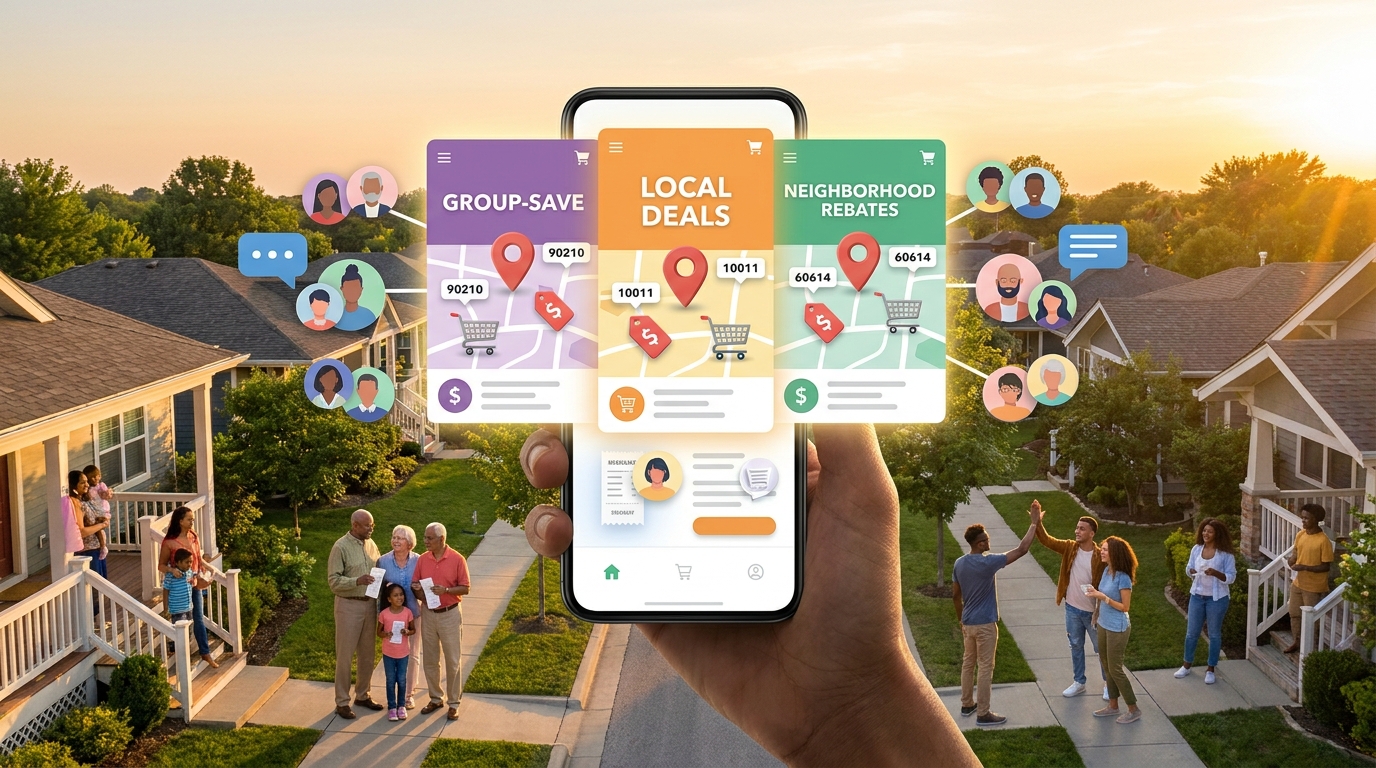
    You can waste a shocking amount of time chasing “rebate groups” that turn out to be dead Facebook threads, expired promo links, or chat rooms packed with people posting offers they never even tried. That gets old fast. If you have been wondering how to start a private rebate group with friends, the good news is you probably already know enough people to do it. You do not need a giant community or a fancy app. You need a small circle of people who actually buy things, actually test deals, and actually report back. That is the shortcut. Instead of trusting random internet noise, you build a tiny rebate club from people you already trust, then give it a simple system for checking deals before anyone jumps in. Done right, your group becomes a private filter for what is real, what pays, and what is not worth the hassle.

    ⚡ In a Hurry? Key Takeaways

    • To start a private rebate group with friends, begin with 3 to 7 people you already trust and focus on deals members have personally used.
    • Use one shared checklist for every offer, including payout proof, terms, timing, referral limits, and whether the deal works better as a group.
    • A small private circle is often safer than public groups because it cuts down on spam, fake urgency, and sketchy links.

    Why a private rebate circle works better than random groups

    Public rebate spaces can be useful, but they are messy. One person posts a deal from last month. Another drops a referral link with no explanation. Someone else swears a payout is “instant,” then three people reply saying support never answered them.

    A private circle fixes that by shrinking the trust problem. You are not trying to sort through hundreds of strangers. You are comparing notes with people whose habits you know. Maybe one friend is great at grocery apps. Another catches bank bonuses. Someone else is careful with price matching and store promos.

    That mix matters. It turns casual bargain hunting into a system.

    Start small, not big

    The biggest mistake is inviting too many people right away. A private rebate group works because it feels manageable and trustworthy. Once it gets too big, it starts acting like the same noisy groups you were trying to avoid.

    The sweet spot

    Start with 3 to 7 people. That is enough to create deal flow without turning the chat into chaos.

    Good first members are usually:

    • Friends who already use cash-back apps or coupons
    • Family members who reliably follow through
    • Coworkers who like saving money and read the fine print
    • One or two people who are skeptical, because they help spot bad offers

    You are not building an audience. You are building a filter.

    Pick one home base for the group

    Do not overcomplicate this. You do not need a website, a paid forum, or five different apps.

    Use one place where everyone can read, search, and reply easily. For most groups, that means one of these:

    • WhatsApp for fast replies and simple sharing
    • Facebook Messenger if your group already lives there
    • Discord if members want channels for groceries, travel, apps, and bank offers
    • A private Facebook group if people prefer posts over chat

    If your members are not techy, choose the tool they already open every day. A boring setup that people use is much better than a fancy setup they ignore.

    Create a simple deal-posting rule

    This is the part that keeps the group useful. Every deal shared should follow the same format. Otherwise the chat fills up with half-explained offers and “Is this real?” questions.

    Use this five-point checklist

    • What is the deal? Explain it in one sentence.
    • Who tested it? Name the member who actually used it.
    • What does it cost upfront? Some rebates require spending first.
    • When does the payout arrive? Instantly, in days, or after a statement cycle?
    • What could go wrong? Expiration dates, location limits, minimum spend, or subscription traps.

    If someone cannot answer those basics, the offer is not ready for the group.

    Separate “interesting” from “approved”

    This one change makes a huge difference. Not every deal needs to be treated as ready to run.

    Try using two labels:

    • Watchlist for deals that look promising but still need testing
    • Approved for deals at least one member completed successfully

    That keeps people from jumping too quickly on offers that only look good on paper.

    How to start a private rebate group with friends without making it awkward

    Money talk can get weird if the group feels pushy. Keep the invitation light and practical.

    A simple invite message

    Try something like this:

    “I’m putting together a small private rebate group so we can share deals we’ve actually used, not random spammy links. Want in? The idea is just to post offers that paid out and help each other avoid junk.”

    That tells people two things right away. First, this is not a hustle club. Second, it is built around trust.

    Set ground rules before referral links start flying

    Referral programs can save people money, but they also create tension if everyone is trying to post their own code first. Fix that early.

    Good rules for a healthy group

    • Only share offers you have personally tested, or clearly label them untested
    • Post the non-referral version too, when possible
    • Take turns when multiple members have the same referral offer
    • Do not pressure anyone to sign up
    • No deleting posts after people ask questions
    • If a deal fails, update the group

    That last one is important. A good rebate circle is honest about misses, not just wins.

    Use a shared tracker, even if it is basic

    You do not need a giant spreadsheet. But you do need one place to log what happened.

    A simple shared Google Sheet can track:

    • Deal name
    • Date posted
    • Posted by
    • Referral or direct link
    • Cost to join or buy
    • Expected rebate or reward
    • Proof of payout
    • Status: watchlist, approved, expired, failed

    This is where your group becomes more than a chat thread. It becomes a record. After a month or two, you will know which apps, stores, and promos are worth your time.

    Think in rounds, not random posts

    Some deals are better when several people do them at once. That is where the “club” part starts to matter.

    Examples of group-friendly rebate rounds

    • A grocery promo where multiple members compare stores and receipt rules
    • A referral program with limited slots that the group can rotate fairly
    • A local “bring a friend” offer where everyone benefits from joining in the same week
    • Community buying through Rebate Clubs where a group decision can save time and reduce risk

    Instead of posting one-off chaos all day, your circle can say, “This week we are testing these two offers. Here are the rules. Here is who is in.” That keeps things clear.

    Safety checks that stop most bad deals

    You do not need to be paranoid. But you should be careful.

    Red flags worth taking seriously

    • The deal promises huge payouts for little effort
    • The page has no clear terms or support contact
    • You must connect a bank account before understanding the reward
    • The referral poster cannot show proof of completion
    • The offer uses fake countdown timers or constant urgency
    • The app store reviews mention missing payouts over and over

    A private group should make members slower in a good way. Not scared, just harder to fool.

    Keep the group useful for beginners

    Not everyone in your circle will know the difference between a coupon, a rebate, a cash-back app, and a referral bonus. That is normal.

    Make room for basic questions. In fact, that is part of the value. A trusted group gives rebate-curious people a safer place to learn without being sold to by strangers.

    A good beginner post includes

    • The exact steps in order
    • How long it takes
    • Any personal data required
    • Whether the reward is cash, points, store credit, or discount
    • Whether canceling later is needed

    That kind of plain-English post is what separates a real group from a spam channel.

    How to grow without ruining the vibe

    If your group works, people will want to invite others. That is fine. Just do it slowly.

    A good rule is one new member at a time, with a short intro. Ask them what kinds of deals they already use. If someone only drops links and never reports back, they are not helping the circle.

    The best members are not always the loudest. They are the ones who test carefully and share clearly.

    At a Glance: Comparison

    Feature/Aspect Details Verdict
    Group size 3 to 7 trusted friends is usually enough to test offers, compare results, and keep chat manageable. Best place to start
    Deal screening Use a shared checklist with proof, terms, payout timing, cost, and possible catches before calling a deal approved. Strongly recommended
    Referral sharing Rotate links fairly, include non-referral options when possible, and require members to update the group if a deal fails. Necessary for trust

    Conclusion

    Starting a private rebate circle is less about finding the “best” deals and more about building a better filter. That is why this works. Today’s rebate landscape is noisy. Coupons, cash-back apps, referral programs, local “friends get friends” promos and community buying clubs are all shouting at once. A referral-based micro-community cuts through that noise fast, because members bring in only what has actually worked for them, then use a shared checklist to decide which deals are worth running as a group through Rebate Clubs. That means fewer dead links, more real payouts, and a safer on-ramp for people who are rebate-curious but wary after seeing too many too-good-to-be-true offers in the wild. Start with a few trusted people, keep the rules simple, and let proof beat hype every time.

  • The ‘Utility Insider’ Shortcut: Join Quiet Bill‑Credit Communities That Stack Rebates For You

    The ‘Utility Insider’ Shortcut: Join Quiet Bill‑Credit Communities That Stack Rebates For You

    You can do everything “right” and still feel like your monthly bills keep winning. You clip coupons. You compare promo codes. You jump on the occasional sale. Then your power bill, internet charge, or water service fee shows up and wipes out half the progress. That is frustrating, especially because some of the best savings are not flashy at all. They sit inside dull-sounding utility programs, local co-ops, municipal partnerships, and credit union member perks that barely get advertised. Most people never sign up, either because they do not know these programs exist or because the forms look annoying. The good news is that many of these offers are really just recurring rebate clubs in disguise. Once you know where to look and how to join community rebate programs from utilities and co-ops, you can start stacking bill credits, appliance rebates, efficiency bonuses, and member discounts that keep paying you back month after month, with far less effort than constant deal chasing.

    ⚡ In a Hurry? Key Takeaways

    • Yes, you can often lower monthly utility and home-service costs by joining rebate and bill-credit programs through utilities, co-ops, cities, and credit unions.
    • Start by checking your electric, gas, water, internet provider, local co-op, and credit union for “member benefits,” “energy efficiency,” “bill credit,” and “rebate” pages.
    • Stick to official provider sites and never pay a “processing fee” to a third-party club just to access a public rebate.

    Why these savings stay hidden

    Most rebate hunters focus on purchases. That makes sense. A $20 coupon is easy to see. A quiet $10 monthly bill credit is not. But fixed bills are where the long-term savings live.

    Utilities and co-ops often run programs for a few simple reasons. They want customers to use less power during peak hours. They want people to switch to paperless billing. They want more autopay users. They want older appliances replaced. They want members to feel the value of staying in the network.

    So they offer credits, rebates, free devices, lower rates, or one-time bonuses. The problem is the offers are buried under names like “load management,” “demand response,” “member efficiency incentive,” or “community solar participation.” That language sends a lot of people running.

    It should not. Underneath the boring wording, these are often simple savings programs.

    What counts as a community rebate program?

    When people hear “rebate program,” they often picture a manufacturer mail-in form from 2007. That is only one type. Community-backed rebate programs are broader than that.

    Utility bill-credit programs

    These can include peak-time rewards, smart thermostat enrollment, budget billing bonuses, off-peak EV charging rates, paperless billing credits, autopay credits, and low-income assistance programs.

    Electric and rural co-op member programs

    Co-ops often have some of the best under-advertised deals. You may see rebates for water heaters, HVAC tune-ups, insulation, smart devices, Wi-Fi thermostats, surge protection, or member-exclusive service discounts.

    Municipal and community energy programs

    City utilities and local energy partnerships may offer weatherization help, home energy audits, LED swaps, tree planting credits, appliance recycling payments, or seasonal rebates.

    Credit union and community banking perks

    These are easy to miss. Some credit unions offer discounted home services, insurance rebates, cash-back partnerships, or member marketplaces that stack with utility and service discounts.

    Broadband and home service discounts

    Internet providers sometimes hide credits inside community partnership pages, low-cost plans, teacher or senior programs, neighborhood fiber rollouts, or autopay bundles.

    How to join community rebate programs from utilities and co-ops

    This is the part most people overcomplicate. You do not need a spreadsheet empire. You need a short checklist and 30 to 45 focused minutes.

    1. Make a “monthly bills” list first

    Open your banking app or card statement and list every recurring home bill:

    • Electric
    • Gas
    • Water
    • Sewer or trash
    • Internet
    • Cell phone
    • Home security
    • HVAC service plans
    • Solar, if you have it

    Your biggest wins usually come from the top three.

    2. Search each provider’s official site the smart way

    Do not just search the home page and give up. Use searches like these:

    • [Provider name] rebates
    • [Provider name] bill credit
    • [Provider name] energy efficiency program
    • [Provider name] member benefits
    • [Provider name] co-op rebates
    • [Provider name] off-peak discount
    • [Provider name] appliance recycling

    If you are trying to learn exactly how to join community rebate programs from utilities and co-ops, this search style is half the battle.

    3. Check who actually serves your address

    This matters more than people think. You may pay one company, but a different entity may run the rebate. For example:

    • Your electric supplier may be different from your local utility
    • Your city may offer water rebates separate from your water bill
    • Your electric co-op may partner with a state energy office
    • Your fiber provider may have neighborhood-based sign-up credits

    If the website mentions a “trade ally,” “implementation partner,” or state efficiency portal, follow that trail.

    4. Join the easy credit programs first

    Go after the low-friction wins before the paperwork-heavy ones. A good order looks like this:

    1. Paperless billing credit
    2. Autopay credit
    3. Budget billing or level-pay enrollment
    4. Peak-time or demand-response participation
    5. Smart thermostat enrollment
    6. Appliance recycling pickup
    7. Home audit or weatherization program

    This gets you visible results fast, which makes it easier to keep going.

    5. Ask one simple customer-service question

    If the website is messy, call or use chat and ask this exact question:

    “What member rebate, bill-credit, efficiency, or community programs can I join right now for my address?”

    That phrasing works because it covers credits, rebates, and local programs in one shot.

    The best types of programs to stack

    Stacking is where this gets interesting. Many people assume one discount cancels another. Sometimes that is true, but often it is not.

    Bill credits plus hardware rebates

    You might get a one-time rebate on a smart thermostat, then a separate yearly or seasonal credit for enrolling that thermostat in a peak-demand program.

    Co-op rebates plus tax incentives

    A local co-op rebate for insulation or a heat pump may stack with state or federal incentives, depending on the program rules.

    Credit union discounts plus utility offers

    If your credit union has a home-improvement financing promo, that can sometimes pair nicely with a utility appliance rebate or weatherization incentive.

    Appliance recycling plus replacement rebate

    Some utilities will pay to pick up an old fridge or freezer, then also offer a rebate on a newer efficient replacement.

    Internet autopay credit plus community pricing

    Your broadband provider may offer a neighborhood rollout price, then tack on an autopay or paperless credit too.

    Programs people skip because the names sound boring

    This is where a lot of money gets left on the table.

    Demand response

    This usually means your utility rewards you for reducing use during a few high-demand periods. Sometimes it is as simple as letting a smart thermostat adjust briefly on hot afternoons.

    Load control

    Not exciting, but often worthwhile. A utility may cycle a water heater or AC compressor briefly during peak times and give you a monthly or annual credit.

    Time-of-use or off-peak rates

    If your household can shift laundry, dishwashing, EV charging, or water heating to cheaper hours, this can beat random coupon savings pretty quickly.

    Home energy audit

    Some people hear “audit” and picture hassle. In reality, it may be a free inspection, online assessment, or subsidized home visit that unlocks more rebates.

    Member capital or patronage benefits

    Electric co-ops sometimes return value to members in ways investor-owned utilities do not. It may not always be called a rebate, but it still reduces your real cost.

    How to tell if a program is worth your time

    Not every offer is gold. A few are more trouble than they are worth.

    Green flags

    • Recurring monthly or annual credit
    • No purchase required
    • Simple online enrollment
    • Official utility, city, co-op, or credit union page
    • Can stack with other incentives
    • Applies to a bill you already pay

    Yellow flags

    • Long processing times
    • Contract language that is not clear
    • Very narrow device compatibility rules
    • Income verification if you are not sure you qualify

    Red flags

    • A third party asks you to pay to “unlock” a public rebate
    • The site is not clearly tied to your provider or local government
    • The savings estimate sounds inflated or vague
    • You are asked for your full banking details before seeing terms

    A simple 20-minute savings plan

    If you want to act on this today, do this in order.

    Minutes 1 to 5

    Pull up your latest electric, gas, water, and internet bills. Write down the provider names and login info.

    Minutes 6 to 10

    Search each official site for rebates, credits, and member benefits. Open promising pages in separate tabs.

    Minutes 11 to 15

    Enroll in any no-brainer credits, especially autopay, paperless billing, peak-time rewards, or budget billing if the terms make sense for you.

    Minutes 16 to 20

    Make a follow-up list for bigger opportunities like thermostat rebates, appliance recycling, home audits, EV rates, or weatherization help.

    That is enough to get the ball rolling without turning your evening into a part-time admin job.

    Common mistakes that cost people money

    Assuming renters do not qualify

    Renters can often get thermostat programs, LED kits, bill credits, internet discounts, and community assistance offers.

    Only checking once

    Programs come and go. New funding rolls out quietly. Check again every few months, especially before summer and winter.

    Ignoring co-ops and credit unions

    These groups can be surprisingly generous because they are member-focused. They just tend to be terrible at marketing.

    Missing deadlines after a purchase

    If you buy a qualifying appliance or smart device, submit paperwork right away. Some rebates have short windows.

    Not reading the stacking rules

    Always look for phrases like “may not be combined,” “one per household,” or “requires pre-approval.” Those lines matter.

    Who benefits the most from these programs?

    Honestly, almost everyone. But a few groups tend to do especially well:

    • Homeowners with older appliances or HVAC systems
    • Renters with high summer or winter bills
    • EV owners
    • Households with smart thermostats
    • People in rural electric co-op areas
    • Credit union members who actually use member perks

    If you already like coupons and promo codes, this is a nice next step because the savings are less flashy but more durable.

    At a Glance: Comparison

    Feature/Aspect Details Verdict
    Easy-entry programs Autopay credits, paperless billing, peak-time rewards, budget billing, low-friction online signups Best place to start for fast savings
    Higher-value rebate programs Smart thermostat rebates, appliance recycling, HVAC incentives, insulation help, EV charging rates Worth the extra paperwork if your bills are high
    Safety and legitimacy Official utility, co-op, city, or credit union pages are safest. Third-party “rebate club” fees are a warning sign Use official sources and read stacking rules carefully

    Conclusion

    The real trick here is not becoming a full-time bargain hunter. It is shifting some of your attention from one-off shopping deals to recurring savings that trim the same bills every month. Right now, bill-credit and rebate programs from utilities, credit unions, and local co-ops are rolling out quietly, and most shoppers either do not know they exist or assume they are paperwork headaches. They often are not. Once you treat them like rebate clubs for your boring monthly bills, the whole thing gets easier to understand. Start with your electric, water, and internet providers. Check your local co-op. Ask your credit union what member home-service or efficiency perks exist. A few sign-ups today can lower your fixed costs for the rest of the year. For anyone who already loves stacking deals, this is a better pond to fish in. The savings can compound in the background while you get on with your life.

  • The ‘Local Anchor’ Play: Turn One Real‑World Spot Into A High‑Trust Rebate Group Hub

    The ‘Local Anchor’ Play: Turn One Real‑World Spot Into A High‑Trust Rebate Group Hub

    You can waste a lot of time chasing rebate groups online, only to end up in dead chats, spam channels, or groups run by people you would never trust with ten dollars, let alone your shopping money. That gets old fast. The easier path is often sitting right in front of you. If you want to know how to find local community rebate groups, start with one real-world place you already visit every week. Think school pickup, your church, a gym, a neighborhood coffee shop, a library, an apartment complex, or even the break room at work. Those places already have something random internet groups do not. Shared routines and real accountability. When a rebate circle grows around an actual location, members are more likely to know each other, spot bad behavior early, and share deals that fit the same stores and schedules. That makes the group smaller, yes, but often much safer and more useful.

    ⚡ In a Hurry? Key Takeaways

    • To find local community rebate groups, start with one place you already know well, then ask around for existing chats, parent groups, staff channels, or neighborhood deal circles.
    • Use a simple question like, “Is there a local group where people share rebates or bulk-buy deals for this area?” and look for warm introductions instead of public links.
    • Groups tied to real places are often safer because members share real-world accountability, but you should still check rules, payment habits, and admin behavior before joining.

    Why the best rebate group may be hiding in plain sight

    Most people start the same way. They search Facebook. They poke around Telegram. They type “rebate deals near me” and hope for the best.

    That is understandable. It is also how many people end up in the loudest and least trustworthy spaces.

    A local anchor group works differently. It forms around a place, not just a topic. Maybe parents at one elementary school share grocery rebates. Maybe nurses on one hospital floor trade household deals. Maybe a neighborhood HOA chat has a side thread for cashback offers and bulk buys.

    That local tie matters because people usually behave better when there is a chance they will see each other again on Tuesday morning.

    What “local anchor” really means

    A local anchor is one physical place that already connects people. It is the hub. The rebate group grows from that hub.

    Good local anchors include:

    Schools and daycare centers. Churches and faith groups. Apartment buildings. Workplaces. Sports clubs. Senior centers. Libraries. Parent associations. Community gardens. Local cafés with regulars. Neighborhood Facebook groups linked to a real area.

    You are not looking for a massive audience. You are looking for a believable one.

    How to find local community rebate groups without looking sketchy

    The trick is to ask in a normal, specific way. Not “Anyone got deals?” That sounds vague and spammy. Instead, ask if a group already exists.

    Start with the places you already visit

    Pick one spot where you are a known face. That could be your kid’s school, your office, or the building lobby where everyone waits for packages.

    Then ask one of these questions:

    • “Is there already a parent chat where people share grocery rebates or store promos?”
    • “Do people here have a deals group for cashback apps or local store offers?”
    • “Is there a neighborhood thread for bulk buys, coupon stacking, or rebate finds?”

    Small wording change, big difference. You are asking for a real group that people use, not begging strangers for links.

    Look for the side channels

    Many good groups are not labeled “rebate group” at all. They live inside broader chats.

    Examples:

    • A PTA WhatsApp that has a deal-sharing thread
    • A church women’s group with a shopping sub-chat
    • A work Slack channel called “frugal finds”
    • An apartment resident Facebook group where neighbors swap rebate screenshots

    This is one reason public searches miss them. The best groups are often tucked inside existing communities.

    Ask the practical person, not the loud person

    Every community has one. The organized parent. The office admin who knows every form. The neighbor who runs the holiday potluck sheet. The person at the front desk who knows which chat everyone actually uses.

    Ask them first. They usually know where the real conversations happen.

    Why real-world groups feel safer

    They are not magically safe. But they often have better trust signals.

    What to look for

    Do members know each other offline. Is there a clear admin. Are deal instructions easy to follow. Do people talk about actual stores in your area. Are payment expectations clear. Does the group avoid pressure and hype.

    If the group is tied to one school district, one church, or one workplace, that is useful context. It means members probably share store access, schedules, and standards for behavior.

    That alone can cut down on nonsense.

    Red flags that still matter, even in local groups

    Do not let the word “local” turn off your common sense.

    Watch for these warning signs

    • Admins asking for upfront money with no clear process
    • Pressure to act immediately or lose your spot
    • No one can explain how the rebate actually works
    • Links sent only in private after vague promises
    • Members who seem real, but never discuss actual results
    • Requests for sensitive personal or banking details

    If a group gets defensive when you ask normal questions, back away.

    The easiest places to search this week

    If you want a practical starting list, here it is.

    1. School and parent networks

    Parents are already sharing lunch ideas, fundraiser links, and pickup reminders. Rebate sharing often fits naturally into that mix, especially for groceries, household items, and kid supplies.

    2. Workplace chats

    Office workers, teachers, medical staff, and shift teams often build informal deal-sharing circles because everyone wants to save on the same basics.

    3. Neighborhood groups

    Look at HOA pages, Buy Nothing communities, local Facebook groups, building bulletin boards, and apartment resident chats.

    4. Faith and volunteer groups

    These communities already run on trust and repeated contact. That can make them a natural home for careful group saving.

    5. Regular local businesses

    Your neighborhood café, gym, salon, or laundromat may not host a rebate group directly, but regulars often know each other well enough to point you toward one.

    If you cannot find one, start a tiny one

    You do not need 500 members. Start with three to ten people who already share a real-world connection.

    Keep it simple

    • Choose one platform, like WhatsApp, Facebook Messenger, or Signal
    • Set one rule about no pressure and no mystery links
    • Focus on stores everyone actually uses
    • Ask members to post proof or clear steps
    • Keep personal payment details out of the chat unless absolutely necessary

    A small, boring, reliable group is better than a huge, chaotic one every single time.

    Use online clues to support your local search

    If your offline search comes up empty, use online tools more carefully. Niche hashtags, school names, neighborhood names, and local store references can help you spot quieter communities that are still rooted in real life.

    A smart next step is The ‘Code Word’ Method: Use Niche Hashtags To Uncover Quiet Rebate Communities. It is useful when broad searches keep leading you into fake channels and junk groups.

    The best approach is often a mix. Start offline. Use online clues to confirm or extend what you find.

    How to tell if a local group is worth staying in

    After you join, give it a quick test.

    Good signs

    • People share deals that match local stores and real routines
    • Questions get answered clearly
    • Admins set boundaries without acting like mini dictators
    • Members talk about results, not just promises
    • The group saves you time, not just money

    If you leave the chat more confused than when you entered, it is probably not your group.

    At a Glance: Comparison

    Feature/Aspect Details Verdict
    Local anchor group Built around a school, workplace, building, church, or neighborhood with real-world overlap between members. Best choice for trust and relevance.
    Large public rebate channel Easy to find, but often full of spam, dead links, fake urgency, and strangers with no accountability. Use cautiously, if at all.
    Tiny self-started group A few trusted people from one real-world circle sharing deals on a simple app. Excellent if no good group already exists.

    Conclusion

    Right now, a lot of people are looking for ways to stretch every dollar, and that is exactly why risky rebate spaces keep attracting newcomers. The loudest groups are not always the best ones. Often, the safer option is closer to home. If you focus on how to find local community rebate groups through places you already know, you give yourself a better shot at finding people who are accountable, practical, and shopping in the same world you are. That means fewer random links, fewer anonymous admins, and more useful savings. It also helps grow stronger circles inside your own community. Instead of everyone chasing deals alone, your school, workplace, or neighborhood can bring trusted people into the Rebate Clubs ecosystem together. Start with one real-world spot. That is usually all it takes to find the right hub.

  • The ‘Search Stack’ Method: Use Niche Group Finders To Unlock Hidden Rebate Communities Fast

    The ‘Search Stack’ Method: Use Niche Group Finders To Unlock Hidden Rebate Communities Fast

    You are not imagining it. Searching “rebate group” inside Facebook, Telegram, or Discord usually gives you the same tired results. A couple of oversized groups. A few half-dead channels. Maybe one that looks active until you notice every post is weeks old or packed with sketchy links. That gets frustrating fast, especially if you are trying to learn how to find and join legit rebate groups without wasting an entire evening. The good news is the best communities are still out there. They just are not sitting in plain view anymore. The trick is to stop relying on one search box and start using a simple search stack instead. That means mixing outside group finders, invite-link searches, comment trails, and live community tips to uncover active rebate circles that regular users never see. Once you do that, the quality of groups you find usually improves almost overnight.

    ⚡ In a Hurry? Key Takeaways

    • To find and join legit rebate groups, do not rely on in-app search alone. Use a stacked method with outside directories, invite-link searches, and trusted referrals.
    • Start with broad discovery, then verify activity by checking recent posts, member responses, payout proof, and clear rules before joining.
    • Legit groups usually explain how rebates work, do not rush you into odd payments, and show real engagement instead of nonstop spam.

    Why basic search keeps letting shoppers down

    Platform search is slow to catch up. That is the core problem.

    New rebate communities pop up on Telegram and Discord all the time. Some stay public for a week, then go private. Others use invite links that spread through side channels, not search results. Meanwhile, Facebook search tends to favor older groups with bigger member counts, even when those groups are stale.

    So if you only type one phrase into one app, you are seeing the leftovers. Not the freshest options.

    That is why the search stack works. Instead of asking one platform to do all the work, you use several discovery methods together. Each one fills in the blind spots of the others.

    What the “Search Stack” method actually is

    Think of it like apartment hunting. You would not check one website, look at two listings, and assume that is the whole market. You would check a few places, compare notes, and weed out the bad ones.

    Same idea here.

    The search stack has four layers:

    • Layer 1: In-app search for obvious public groups
    • Layer 2: Outside group-finder tools and directories
    • Layer 3: Invite-link search tricks on Google and social platforms
    • Layer 4: Live community intel from comments, referrals, and trusted deal hunters

    Used together, these layers give you a much better shot at finding active groups that are both real and worth your time.

    Layer 1: Use platform search, but use it smarter

    Yes, start with the basics. Just do not stop there.

    Search with longer phrases

    Most people search “rebate group” and move on. Try more specific phrases like:

    • Amazon rebate Telegram
    • cash back buying club Discord
    • deal rebate chat
    • seller rebate group USA
    • coupon and rebate club

    Specific phrases often surface smaller, more focused communities.

    Sort by recent activity if possible

    A huge member count means very little if the group has gone quiet. Look for:

    • Posts from the last few days
    • Real replies from members
    • Updated links or current offers
    • Clear moderation

    If a group looks busy but all the comments are generic, that is a warning sign.

    Layer 2: Use outside group-finder tools

    This is where many people miss out.

    Third-party group-finder sites and public channel directories often index communities before platform search catches them. They can also surface channels by category, language, region, or keyword variations.

    What to look for in a group finder

    • Recent indexing dates
    • Working invite links
    • Category filters for deals, shopping, coupons, or cashback
    • Descriptions that mention active rebate posting, not vague hype

    Do not treat directories as a stamp of trust. Treat them as discovery tools. You still need to verify each group yourself.

    A simple way to use them

    Search your main keyword first, then try related words like “buying club,” “deal chat,” “promo group,” “review club,” and “cashback channel.” Rebate communities often avoid using the word “rebate” in the title because they want to stay lower profile.

    Layer 3: Use invite-link search tricks

    This is the part that opens hidden doors.

    Many legit rebate groups grow through direct invites shared on blogs, social posts, comments, and forum threads. Those links may never appear in app search, but they can still show up in web search.

    Try Google searches like these

    • site:t.me rebate deals
    • site:t.me buying club
    • site:discord.gg cashback deals
    • site:discord.com/invite rebate group
    • “Telegram” “Amazon rebate”
    • “Discord” “buying club”

    Put key phrases in quotes when you want tighter matches. Swap in product categories too, like beauty, home, gadgets, or baby deals.

    Search social posts, not just group names

    Sometimes the invite is buried in a caption, a reply, or a profile bio. Search X, Reddit, TikTok captions, Facebook posts, and even YouTube descriptions.

    This is also where comment mining helps. If you spot a hot deal post with people saying “join my group” or “link in bio,” do not scroll past it. That exact habit is explained in The ‘Crossroads Comment’ Trick: Turn One Deal Post Into A Feed Of Hidden Rebate Communities. It is one of the fastest ways to turn one good lead into several more.

    Layer 4: Use live community intel

    The newest groups often spread person to person before they are listed anywhere.

    That sounds exclusive, but it usually just means you need to hang around active deal spaces and pay attention.

    Where live intel shows up

    • Comments under current deal posts
    • Shopping forums and subreddits
    • Niche coupon communities
    • Trusted shoppers who share fresh invite links

    Once you join one decent group, watch for mentions of partner channels, backup groups, or sister servers. Good communities often cross-reference each other.

    How to tell if a rebate group is legit

    Finding a group is only half the job. The other half is avoiding junk.

    Good signs

    • Recent posts with dates and clear instructions
    • Members asking normal questions and getting real answers
    • Payout proof or success reports that look varied, not copied and pasted
    • Rules that explain timing, product types, and refund steps
    • Admins who do not dodge basic questions

    Warning signs

    • Pressure to act instantly with no explanation
    • Requests for strange payment methods or off-platform payments
    • No visible history, no rules, and no member discussion
    • Posts that are all hype and no detail
    • Broken links everywhere

    If you are trying to learn how to find and join legit rebate groups, this verification step matters more than any search trick. A smaller honest group beats a giant spam pit every time.

    A quick workflow you can copy tonight

    Step 1: Start broad

    Search Facebook, Telegram, and Discord with 5 to 10 phrase variations.

    Step 2: Open a directory

    Use a public Telegram or Discord directory and run the same keyword list there.

    Step 3: Run invite-link searches

    Use Google with site:t.me and site:discord.gg searches to find public invite trails.

    Step 4: Check comments on hot deal posts

    Look for “DM me,” “group link,” “code inside,” or “join our chat.” Those side comments often lead to fresher communities than search does.

    Step 5: Verify before joining deeply

    Lurk for a bit. Read pinned posts. Check how recent the deals are. See whether members actually complete offers successfully.

    Step 6: Build your own short list

    Keep a simple note with group name, platform, activity level, and trust level. After a week, patterns become obvious.

    Why this method saves time instead of adding work

    At first glance, a search stack sounds like extra effort. It is, but only for the first round.

    After that, it saves you from joining dead groups, reading stale posts, and chasing fake offers. More important, it helps you find communities where deals are still fresh enough to matter.

    That is the whole point. Speed and quality.

    At a Glance: Comparison

    Feature/Aspect Details Verdict
    In-app search only Fast, simple, but usually shows older public groups and misses invite-only communities. Good starting point, poor finishing point
    Outside group finders Useful for discovery and category browsing, but links still need to be checked for quality and safety. Very helpful when combined with verification
    Invite-link and comment search Best way to uncover fresh, active, lower-profile rebate circles before they appear in standard search. Most effective part of the stack

    Conclusion

    If you have been frustrated by spammy, silent, or questionable rebate groups, the problem is probably not you. It is your search method. New deal and rebate communities are spinning up on Telegram and Discord faster than platform search can keep up, so anyone relying on in-app search is missing some of the newest and best-paying groups. By mixing outside group-finder tools, invite-link search tricks, and live community intel, you can skip a lot of noise and get into active, trustworthy spaces much faster. Start small, verify what you find, and keep a shortlist of the groups that actually deliver. That is how you stop wandering through dead ends and start stacking real cash-back with a lot less guesswork.

  • The ‘Crossroads Comment’ Trick: Turn One Deal Post Into A Feed Of Hidden Rebate Communities

    The ‘Crossroads Comment’ Trick: Turn One Deal Post Into A Feed Of Hidden Rebate Communities

    You have probably seen it happen a hundred times. A hot deal post pops up on Facebook, TikTok, Telegram, or Instagram. The comments look messy, full of “DM me,” “link in my group,” or “code posted inside.” Most people scroll right past that chaos. That is the mistake. Those throwaway comments are often the only public breadcrumb leading to smaller rebate groups where the better offers actually get shared. If you are tired of landing in loud, spammy groups packed with fake urgency and recycled codes, this trick is worth learning. The smart move is not chasing every flashy public post. It is using the comments as a crossroads, then checking who is posting, where they post, and what kind of community trail they leave behind. Done right, this helps you find better rebate circles and avoid a lot of junk.

    ⚡ In a Hurry? Key Takeaways

    • The fastest way to find hidden rebate groups is to treat comments like “code in my group” as leads, not spam, then trace the person behind them.
    • Check the commenter’s posting history, linked profiles, repeated group mentions, and member reactions before you join anything.
    • This method is safer because you are judging a real community footprint first, instead of blindly joining another sketchy “90% off” group.

    What the “Crossroads Comment” trick actually is

    Think of one public deal post as a busy intersection.

    The post itself might be average. The real value is in the replies. One person says, “full rebate list in my Telegram.” Another says, “posted the code in my Discord.” A third writes, “message me for today’s stack.” Those comments are little signposts pointing to side roads most shoppers never take.

    That is the whole trick. You do not stop at the post. You use the comments to map where deal hunters are quietly gathering.

    Why the best rebate groups stay semi-private

    This part surprises people at first.

    Deal and coupon creators often save their strongest offers for smaller groups because public feeds get picked over fast. Codes die quicker. Stock disappears. Stores clamp down. And once a deal gets blasted to thousands of random people, it can become useless in minutes.

    So creators get selective. They post a teaser in public, then move the real details into a smaller Facebook group, a Telegram chat, a Discord server, or an Instagram broadcast channel.

    The public comment becomes the doorway.

    How to find community rebate groups from social media comments

    If you want a repeatable process, start here.

    1. Look for comment patterns, not just one comment

    A single “join my group” comment means very little by itself. What matters is repetition.

    Do you see the same person showing up under multiple deal posts? Do they keep referencing the same group name, Telegram handle, or Discord invite style? Do other people reply with “thanks,” “worked,” or “got in”?

    Patterns are what turn noise into a lead.

    2. Tap the profile before you tap the link

    This is the safety step most people skip.

    Before joining anything, click into the commenter’s profile. You are looking for a history that makes sense. Maybe they regularly post grocery hauls, coupon screenshots, rebate explanations, or deal roundups. Maybe they belong to several known bargain communities. Maybe their comments go back months, not three hours.

    If the account looks empty, brand new, or full of copy-paste hype, move on.

    3. Check where else they appear

    The best clue is often not on the original post.

    Search their username, group name, Telegram handle, or Discord server name on the platform itself and on Google. If they are legit, you will often find them mentioned across different posts and communities.

    That wider footprint matters. It tells you whether this is a real deal sharer or just another link-drop account.

    4. Watch for “soft invites”

    Not every useful comment includes a direct link.

    Many experienced deal posters avoid dropping raw invites in public because links get removed, accounts get flagged, or groups fill up too fast. Instead, they use soft phrases like:

    “Code is in my group.”

    “Posted the rebate breakdown in stories.”

    “Message for the updated list.”

    “Telegram has the live stock alert.”

    Those are not dead ends. They are clues. Check the profile bio, pinned posts, story highlights, or linked channels.

    5. Compare the promise to the proof

    If someone claims daily high-value rebates, there should be signs of that.

    Look for screenshots of redemptions, older deal explanations, comment threads where members mention specific products, or timestamps showing regular updates. A good community usually leaves some kind of trail.

    A bad one mostly leaves hype.

    Platform-by-platform: where these comments hide

    Facebook

    Facebook is still one of the easiest places to use this trick because comments, profiles, and group histories are often visible enough to connect the dots.

    Check the comments under popular coupon pages, mom groups, grocery savings groups, and product deal pages. Then click through to see what groups the commenter mentions repeatedly.

    TikTok

    TikTok comments move fast, but they are full of these breadcrumbs. A creator posts a “run now” deal video. The comments say, “full list in Telegram,” or “Discord got the barcode.”

    Go to the profile. Check the bio link. Look at older videos. If the same off-platform community keeps getting mentioned by happy followers, that is a strong signal.

    Telegram

    Telegram can be useful, but it is also where plenty of junk lives.

    Instead of joining random giant channels, start from a public comment elsewhere and verify who is sending you there. A Telegram invite is much less risky when it is attached to a person with a visible posting history.

    Instagram

    On Instagram, the comments often point to broadcast channels, private groups, or story-only deal lists. Look at highlight names, link-in-bio tools, and repeated follower comments about “today’s list” or “the private drop.”

    Discord

    Discord rebate communities can be great for fast alerts, but they can also be confusing. If a comment points you toward a Discord server, see whether the person explains deals clearly in public first. If they do, the server is more likely to be useful and not just another invite farm.

    How this method helps you avoid scams

    This is the part I like most.

    You are not just hunting for better rebates. You are building a filter.

    When you mine comments first, you slow down. You look at the person, not only the promise. That instantly cuts your chances of joining those sketchy “90% off everything” groups that seem to appear every day.

    If you want a deeper safety checklist, Stop Joining Junk Rebate Groups: How To Find Safe, High‑Value Communities In 10 Minutes is a good companion read. It fits perfectly with this trick because once you find a lead in the comments, you still need to decide whether the group is worth your time.

    Red flags that mean “do not join”

    Some warning signs are easy to miss when you are excited about a deal.

    Every comment sounds copied

    If the same wording appears under dozens of posts, it is probably spam.

    No real posting history

    A profile that only exists to drop invites is not a great sign.

    Pressure to pay first

    Be careful with any group that quickly pushes “VIP access,” payment apps, or private fees before showing any value.

    Wild promises with no specifics

    “Everything 90% off” is not useful information. Real deal groups usually share actual products, stores, rebate apps, and timing details.

    Broken trail

    If you cannot find any proof that the person has helped others before, trust that instinct and skip it.

    A simple workflow you can use in 5 minutes

    Here is the practical version.

    First, find a public deal post with active comments.

    Second, scan for comments that hint at a private group, code list, or rebate drop.

    Third, open the commenter’s profile and check for age, consistency, and deal-related history.

    Fourth, search the group name or handle across the platform.

    Fifth, join only if the trail looks real.

    Sixth, once inside, watch quietly before engaging. A good group will show clear, specific deals and normal member behavior pretty quickly.

    Why this works better than searching random group directories

    Directories and giant recommendation threads can still help, but they often surface the loudest groups, not the best ones.

    The crossroads comment trick works because it starts with live activity. You are seeing a current deal, a current commenter, and a current community path. That gives you fresher leads and better context.

    You are also finding groups through people who are actively sharing deals, not just collecting members.

    At a Glance: Comparison

    Feature/Aspect Details Verdict
    Public deal post Good for spotting active offers, but often missing the best codes and rebate details Useful starting point only
    Comments as leads Comments like “code in my group” or “message me” can reveal hidden communities and creator networks Best discovery method when verified carefully
    Blindly joining invite links Fast, but risky. You skip the profile check, history review, and community footprint Worst option for safety and quality

    Conclusion

    The big idea is simple. The best rebate communities are often not sitting out in the open. They are hiding one step away, tucked behind casual comments like “code in my group” or “message me for the full list.” If you learn how to find community rebate groups from social media comments, you stop chasing the same tired public promo codes as everyone else. You start finding the smaller Facebook, Instagram, Telegram, and Discord circles where the better stuff gets shared first. Just as important, this approach forces you to check a person’s posting history and community footprint before you join, which is one of the easiest ways to cut your risk in a world full of scammy deal groups. Slow down, follow the breadcrumbs, and let the comments do the scouting for you.

  • The ‘Proof of Payout’ Shortcut: Join Only Rebate Groups That Actually Pay

    The ‘Proof of Payout’ Shortcut: Join Only Rebate Groups That Actually Pay

    You should not have to play detective every time a rebate group promises easy money back. Yet that is where a lot of shoppers are right now. They join a Telegram channel, a Facebook group, or a Discord server, see people hyping “fast payouts,” buy the product, submit the form, and then the group goes quiet. No reply. No rebate. Just a lesson that came after money was already spent. If you want to know how to verify rebate groups before joining, start with one simple rule. Do not trust screenshots of deals. Trust proof of payout. A real group can show a pattern of members actually getting paid, not just admins making promises. That shortcut alone will save you from most bad groups. It is quick, practical, and a lot more useful than trying to guess who sounds trustworthy in a busy chat full of urgency and FOMO.

    ⚡ In a Hurry? Key Takeaways

    • Only join rebate groups that can show recent, consistent proof that real members were paid.
    • Ask for payout evidence from multiple members, across different dates, before you buy anything.
    • If a group uses pressure, hides admin identity, or avoids payout questions, walk away.

    The Proof of Payout Shortcut

    Most scammy rebate groups have one thing in common. They are great at selling the deal and terrible at proving the payout.

    That gives you a very useful shortcut.

    Before joining, or at least before spending a dollar, ask one question: Can this group prove that ordinary members have actually been paid, recently and more than once?

    Not “the admin says yes.” Not “someone posted a cropped Cash App screenshot three months ago.” Real proof. Repeated proof. From real people.

    This matters because fake groups often copy the look of legit rebate communities. They post polished graphics, limited-time offers, and cheerful comments. But when payout day comes, they stall, change rules, or disappear.

    If you remember only one thing, remember this. Deals are easy to fake. Payout history is harder to fake at scale.

    How to Verify Rebate Groups Before Joining

    1. Look for a payout trail, not a one-off screenshot

    A real community should have a visible pattern of successful payouts. You want to see multiple examples over time.

    Good signs include:

    • Members posting received payments on different dates
    • Comments that mention the rebate amount, timing, and process
    • Payout confirmations from more than one platform, like PayPal, Venmo, or bank transfer
    • Older payout posts that are still visible, not deleted after a week

    One screenshot proves almost nothing. Ten payout reports from different members over two months tells a much better story.

    2. Check whether the proof comes from members, not just admins

    This is where many people get tripped up. Admin-posted “success” screenshots are easy to stage.

    What you really want is independent member confirmation. Scroll through the group. See if regular people are saying things like “Got mine today,” “Paid in 48 hours,” or “Mine took 5 days but it came through.”

    Natural conversation is hard to fake well. Especially over time.

    If every positive message sounds the same, comes from brand-new accounts, or appears only right after someone asks “Is this legit?”, be careful.

    3. Ask a simple question in the group

    You do not need to be dramatic. Just ask plainly: “Has anyone here been paid in the last two weeks?”

    Then watch what happens.

    In a legit group, members usually answer. In a bad one, you may get silence, vague reassurance, or an admin who suddenly becomes defensive.

    That reaction tells you a lot.

    4. Watch for rule changes after you buy

    One classic trick is moving the goalposts. The group says the rebate is easy, then adds new steps later.

    Examples:

    • “You forgot to submit in the right format”
    • “Now you need to invite three friends first”
    • “Payouts are delayed until next cycle”
    • “This offer only counted for premium members”

    Read the group rules before joining. Take screenshots. If the terms are fuzzy, that is not a small issue. That is the issue.

    5. Search outside the group

    Never rely only on information inside a rebate group. Search the group name, admin name, and payment method on Google, Reddit, Facebook, and scam-report forums.

    If several people say the same thing, pay attention. Especially if they mention missed payouts, deleted chats, or banned members after asking questions.

    This is also why it helps to start in better places. If you are still looking for communities worth checking, 5 Quiet Places Smart Shoppers Use To Find Legit Rebate Communities (Before The Masses Show Up) is a useful guide for finding groups before they get flooded with copycats and noise.

    Red Flags That Usually Mean “Leave Now”

    Some warning signs are subtle. Others are basically a flashing red light.

    Pressure to act immediately

    If the whole pitch is “buy now or miss out forever,” slow down. Scammers love urgency because urgency shuts off common sense.

    No clear payout schedule

    A legit group should be able to explain when and how rebates are paid. “Soon” is not a schedule.

    Admin identity is completely hidden

    Privacy is one thing. Total anonymity plus money collection is another. If nobody knows who runs the group and there is no reputation attached to the account, your risk goes up.

    Questions get deleted

    If members asking about late payments are muted, mocked, or removed, that is all the answer you need.

    Upfront fees for access to “secret” rebates

    Be very careful here. Some paid communities are real, but scam groups often charge a small entry fee because it adds up fast. If there is a fee, proof of payout needs to be even stronger.

    A Simple 5-Minute Vetting Checklist

    If you want the fast version, use this before joining any group:

    • Can I find recent payout proof from multiple members?
    • Are the rules clear and saved in writing?
    • Do members answer payout questions openly?
    • Can I find outside mentions of the group that are not from the admin?
    • Is there any pressure to spend before I have time to check?

    If you answer “no” to two or more of those, skip the group.

    What Legit Rebate Communities Usually Look Like

    Real communities are not always flashy. In fact, the better ones are often a little boring.

    That is a good thing.

    They tend to have:

    • Clear posting rules
    • Visible admin communication
    • Repeat members, not random new accounts every day
    • Past payout history people can scroll back and review
    • Reasonable deal language instead of nonstop hype

    Legit groups know trust is their whole business. They do not act offended when you verify them. They expect it.

    At a Glance: Comparison

    Feature/Aspect Details Verdict
    Proof of payout Multiple recent member confirmations, visible history, clear payment timing Strong sign of a legit group
    Group behavior Open answers to questions, stable rules, no panic-driven pressure to buy fast Safer and more trustworthy
    Scam indicators Deleted questions, vague promises, hidden admins, one-off screenshots, sudden rule changes Avoid immediately

    Conclusion

    Right now there is a wave of shady discount and rebate groups riding the collective buying trend, especially on encrypted chats and invite-only communities. That makes it easy to feel rushed, especially when a deal window looks like it is about to close. But you do not need to guess. The cleanest shortcut is proof of payout. If a group cannot show that real members actually got paid, recently and consistently, do not join. This simple habit helps you avoid losing cash, makes it easier to separate real rebate communities from hype, and strengthens the wider Rebate Clubs community because smart shoppers start sharing proof instead of promises. Slow down, check the payout trail, and trust evidence over excitement.

  • The ‘Code Word’ Method: Use Niche Hashtags To Uncover Quiet Rebate Communities

    The ‘Code Word’ Method: Use Niche Hashtags To Uncover Quiet Rebate Communities

    You are not imagining it. Searching “rebate group” on Facebook or Telegram often brings up a mess of fake deal channels, abandoned chats, and admins who seem a little too eager to get your money fast. That is frustrating, especially when you know real communities do exist. The trick is that many of the better ones do not use obvious names. They hide behind code words, city tags, coupon language, reseller slang, or niche shopping interests to stay off the radar of scammers and spam bots. If you want to learn how to find legit rebate groups, stop searching like an outsider and start searching like a member. Think less “rebate group,” more “Austin deal circle,” “coupon crew,” “review swap,” or brand-specific buying chat. Once you start spotting the patterns, the search gets much easier, and a lot safer too.

    ⚡ In a Hurry? Key Takeaways

    • To find legit rebate groups, search for code words, local tags, and niche shopping terms instead of generic phrases like “rebate group.”
    • Start with small, specific searches such as city names, product categories, and coupon slang, then follow the member overlap.
    • Quiet groups are not always safe, so always test before joining deeply and look for proof, history, and real conversation.

    Why generic searches fail

    Public search works great for pizza places. It does not work nearly as well for private money-saving communities.

    The better rebate circles usually have a reason to stay semi-hidden. They want to avoid copycat scammers, random lurkers, and people who join only to spam links. So instead of naming themselves “Best Rebate Group 2026,” they use softer labels.

    You might see words like “deals,” “coupon,” “saver,” “review,” “circle,” “family,” “local finds,” “stacking,” or “VIP buys.” None of those scream rebates at first glance. That is the point.

    The “code word” method in plain English

    The method is simple. Search for the language real members use, not the language a newcomer would guess.

    When people already trust each other, they often talk in shorthand. They reference a city, a shopping style, a platform, or a product niche. That makes the group easier for insiders to find and harder for scammers to flood.

    Examples of code words to try

    Instead of typing only “rebate group,” mix in terms like:

    • coupon circle
    • deal family
    • review club
    • buyer chat
    • stacking group
    • saver squad
    • promo finds
    • local deals
    • shopping crew

    Then combine them with details that narrow the field.

    Add city tags and regional clues

    This is one of the easiest ways to cut through junk.

    Try searches like:

    • Dallas coupon circle
    • SoCal deal family
    • NYC shopping chat
    • Toronto saver group
    • Midwest promo finds

    Local tags matter because smaller communities often build trust around geography. Even if members are not meeting in person, a local identity can make the group feel more accountable.

    Use niche interests, not broad money terms

    A lot of legit groups form around what people buy, not how they save.

    For example, search terms tied to:

    • baby products
    • beauty deals
    • pet supplies
    • kitchen gadgets
    • Amazon review circles
    • coupon moms
    • reseller inventory chats

    A beauty-focused savings group might never use the word “rebate” in the title, even if members share rebate opportunities daily.

    How to actually search on Facebook and Telegram

    On Facebook

    Start with one code word and one filter. Good examples are city plus niche, or product plus slang.

    Search:

    • “Chicago deal circle”
    • “coupon crew beauty”
    • “pet deals VIP”
    • “review club kitchen”

    Then click into groups, not just posts. Look at the “related groups” section. This is where the real digging starts. If one decent-looking group has overlap with two or three others, you are starting to map a little ecosystem instead of chasing random search results.

    On Telegram

    Telegram search can be rough, so think like a librarian. Use short combinations, then broaden or narrow as needed.

    Try:

    • dealchat + city name
    • coupon + product niche
    • saver + local shorthand
    • VIP buys + brand category

    Also pay attention to forwarded posts. One decent channel often points to others. Quiet communities tend to cross-reference each other in little ways, even if they do not openly advertise.

    What a promising quiet group looks like

    Small does not always mean safe, but it can be a good sign.

    A promising group usually has:

    • normal conversation, not just endless promo posts
    • members asking follow-up questions and getting real answers
    • proof screenshots that look varied, not copied and pasted
    • rules that mention behavior, not just payment instructions
    • admins who answer calmly instead of pressuring you

    If every post sounds like a sales pitch, back up. If all the success stories use the same wording, back up faster.

    Follow the member overlap

    This is where people often miss the best communities.

    Once you find one group that looks halfway real, check who interacts regularly. See whether those same names show up in nearby groups, comment threads, or linked chats. Real communities tend to have repeated faces. Scam networks tend to have repeated scripts.

    You are looking for human texture. Different voices. Different questions. Different levels of experience.

    Do not skip the safety test

    Finding a hidden group is only step one. Joining safely is step two.

    If you want a simple way to vet a group before spending anything, read The 7‑Message Method: How To Safely Test Any Rebate Group Before You Put Your Money In. It is a practical check for whether a group actually behaves like a trustworthy community or just looks polished on the surface.

    This matters because some fake groups have learned to copy the language of legit ones. They know people are getting smarter. So your search method and your safety method need to work together.

    Red flags that the “code word” group is still bad news

    A niche name does not make a group honest.

    Watch for these warning signs:

    • the admin wants upfront payment before answering basic questions
    • all proof comes from brand-new accounts
    • you cannot find any organic member discussion
    • the group keeps changing names or links
    • members are rushed to act “before spots run out”
    • questions about refunds or process get ignored

    A real saver community usually protects itself by being selective. A scam group protects itself by being vague.

    A simple search formula to use today

    If you want a starting point, use this formula:

    [city or region] + [niche interest] + [code word]

    Examples:

    • Atlanta beauty coupon circle
    • Phoenix baby deals family
    • New Jersey kitchen review club
    • Toronto pet saver chat

    Then swap one word at a time. Do not change everything at once. That makes it easier to notice which terms are opening the right doors.

    At a Glance: Comparison

    Feature/Aspect Details Verdict
    Generic search terms Phrases like “rebate group” often surface spam, paid promos, and dead communities. Low value
    Code words plus local tags Searches like “Austin deal circle” or “SoCal coupon crew” are more likely to uncover smaller, protective groups. Best starting point
    Safety vetting after discovery Even quiet groups need proof, history, normal conversation, and admin transparency before you trust them. Absolutely necessary

    Conclusion

    If you have been wondering how to find legit rebate groups, the answer is usually not to search harder. It is to search smarter. Right now scammy Facebook and Telegram groups are multiplying faster than the legit ones, and search results are crowded with paid promos and fake deal hubs. Using code words, local tags, and niche interests helps you slip past the loud, low-quality stuff and find smaller communities where people actually vet each other and share proof. That means safer joins, better rebate stacking opportunities, and more buying power flowing back into real Rebate Clubs instead of getting lost to scams. Start small. Test what you find. Trust patterns, not hype.

  • The ‘Starter Cart’ Screenshot Hack: Join Trusted Rebate Communities Without Guessing

    The ‘Starter Cart’ Screenshot Hack: Join Trusted Rebate Communities Without Guessing

    You should not have to join five rebate groups just to figure out which one fits your real shopping. That is the frustrating part. Most people get pulled in by big claims, flashy screenshots, and comments from members who may shop nothing like they do. Then comes the wasted time. You scroll offers for beauty products when you mostly buy home basics. Or you see giant “wins” that only work if you are comfortable floating a lot of cash. A simple fix is the Starter Cart screenshot hack. Before joining anything serious, take a screenshot of a normal cart you would actually buy, then use that cart as your filter. It helps you stop guessing and start comparing communities based on your habits, not their hype. If you have been wondering how to find the right rebate community for my shopping habits, this is one of the fastest, least stressful ways to do it.

    ⚡ In a Hurry? Key Takeaways

    • The best rebate community is the one that matches your normal cart, not the one making the most noise.
    • Take a screenshot of a real starter cart and ask groups how they would handle those exact items, budget, and timing.
    • This saves time, avoids junk offers, and helps you spot groups that look exciting but are a poor fit for how you actually shop.

    What the Starter Cart Screenshot Hack Actually Is

    The idea is almost boring, which is why it works.

    You build a small, realistic shopping cart on the store you already use. Not your dream cart. Not a fake “best case” cart. A normal one. Think paper towels, vitamins, pet treats, coffee pods, baby wipes, or whatever you buy without needing a sales pitch.

    Then you take a screenshot.

    That screenshot becomes your test. When you look at rebate communities, you use the same cart to ask a simple question: “Would this group actually help me save on this kind of order?”

    That is much better than joining based on vague promises like “members make hundreds” or “tons of daily deals.” Those claims may be true for someone. They may still be useless for you.

    Why This Works So Well

    Most rebate groups are not equally helpful for every shopper.

    Some are better for low-cost repeat items. Some favor beauty and supplements. Some work best if you can move fast on limited offers. Some only shine if you are comfortable placing larger orders and waiting for reimbursement.

    That means the real question is not “Is this a good group?”

    It is, “Is this a good group for me?”

    Your starter cart gives you a plain-English way to answer that. It keeps you grounded in your own habits. It also makes it much easier to compare one community against another without getting distracted by cherry-picked success stories.

    How to Build a Good Starter Cart

    Keep it small and real

    A good starter cart usually has 5 to 10 items. Enough to show your habits, but not so much that it turns into a research project.

    Use items you already buy

    This is the big rule. No random gadgets. No trendy products you only added because somebody in a group mentioned them. Use items that already fit your household.

    Include your usual price range

    If you normally spend $35 to $60 on a shopping run, build around that. If you prefer tiny test orders, reflect that too. Budget matters because some groups are only attractive when you spend more upfront.

    Capture the full screen

    Try to show item names, quantities, and total cost. That gives admins or experienced members something concrete to react to.

    How to Use the Screenshot Inside a Rebate Community

    Once you have your screenshot, do not just post “Is this group good?” That usually gets you generic answers.

    Instead, ask specific questions like:

    • “This is the kind of cart I normally buy. Do deals like this come up often here?”
    • “Would these items fit the offers you usually post?”
    • “Do members here tend to do smaller practical carts, or bigger high-rebate flips?”
    • “How long would a cart like this usually take to clear?”
    • “Would I need to swap most of these items to make this worth it?”

    Those questions quickly reveal whether the community understands your style or tries to push you into theirs.

    What You Are Looking For in the Replies

    Good signs

    Helpful communities answer directly. They tell you which items are realistic, which are not, and how their process works. They may say, “This is a great fit for our daily offers,” or “Honestly, we are better for beauty and not as strong for household staples.”

    That kind of honesty is gold.

    Warning signs

    Be cautious if every answer is vague, overly hyped, or focused on getting you to sign up first and ask questions later. If nobody can explain how your cart fits the group, that is useful information too.

    If you want an extra layer of caution before spending anything, read The 7‑Message Method: How To Safely Test Any Rebate Group Before You Put Your Money In. It is a smart next step when a group looks promising but you still want proof that real questions get real answers.

    Common Mistakes That Make the Hack Less Useful

    Using a fantasy cart

    If your cart is full of items you never buy, the results will be misleading. You are trying to match your habits, not role-play as a power user.

    Only comparing the rebate amount

    A group that offers a slightly bigger rebate is not always the better fit. You also want to know how often those deals appear, how hard they are to claim, and how much money you need to float upfront.

    Ignoring timing

    Some shoppers are fine waiting. Some are not. If cash flow is tight, a “great” deal that takes too long to resolve may be a bad deal for you.

    Joining too many groups at once

    That usually creates more confusion, not less. Start with your screenshot, compare a few communities, and narrow the field before you commit your time.

    Why This Matters More Right Now

    There are more buying groups and rebate clubs than ever. That sounds good until you try sorting through them. The loudest communities often look like the safest bet because they are impossible to miss. But loud does not mean useful.

    A quiet group that consistently matches your everyday cart may save you more time and stress than a giant one full of offers you will never touch.

    That is why this hack is so practical. It helps you cut through the noise with evidence from your own shopping life.

    At a Glance: Comparison

    Feature/Aspect Details Verdict
    Starter Cart Screenshot Uses your real items, real budget, and real store habits to test whether a community fits. Best first step for finding the right match.
    Joining Based on Hype Relies on screenshots, comments, and bold claims without checking if the offers match your household shopping. Fast, but often a waste of time.
    Safety Check Before Spending Ask direct questions, compare responses, and test the group’s communication before putting money in. Important if you want fewer surprises later.

    Conclusion

    If you have been asking how to find the right rebate community for my shopping habits, start with the cart you already know. That is the beauty of the Starter Cart screenshot hack. It is simple, honest, and surprisingly effective. Right now there are more buying groups and rebate clubs than ever, and the loudest ones are often the worst fit. This hack gives our community a quick way to cut through the noise, match their real carts to real group results, and avoid wasting nights digging through junk offers that were never designed for how they actually shop.

  • The ‘Micro‑Circle’ Trick: Use Tiny Local Groups To Unlock Big Rebate Wins

    The ‘Micro‑Circle’ Trick: Use Tiny Local Groups To Unlock Big Rebate Wins

    You join a giant rebate group hoping to save money, and within ten minutes you are buried in spam, mystery links, and people shouting “DM me” with zero proof. It is exhausting. A lot of shoppers give up right there. The better move is smaller. If you want to know how to join small local rebate groups, stop chasing the biggest crowd and start looking for tiny offshoot circles inside bigger communities. Those smaller groups are usually where the real value lives. People post screenshots, store receipts, pickup timing, and whether a deal actually worked at your local Walmart, Target, or grocery chain. That matters more than hype. The “micro-circle” trick is simple. Find a large group only as a doorway, then watch for the smaller, active local chats where members know each other, share results, and quickly warn others when a rebate link breaks or a promo turns sketchy.

    ⚡ In a Hurry? Key Takeaways

    • Big public rebate groups are often just the entry point. The best deals usually move through smaller local circles.
    • To join small local rebate groups, look for members who post real receipts, answer questions, and mention regional store results.
    • Never send money, buy “VIP access,” or trust links without proof. Small trusted groups save money and cut scam risk.

    Why the big group usually fails you

    Large Facebook, Telegram, and Discord groups look helpful at first. They have huge member counts. Deals are flying by every few minutes. It feels active.

    But size creates noise. Posts repeat. Links expire. People copy deals they never tested. A bunch of members are only there to farm referrals or grab your attention.

    That is why so many people feel lost. You are not bad at this. The setup is just messy.

    What the “micro-circle” trick really means

    A micro-circle is a small, active subgroup inside a bigger deal community. It might be a city-specific Facebook Messenger thread, a private Telegram chat for one metro area, or a Discord channel just for one chain store in one region.

    The goal is not more information. It is better information.

    In a small local group, members can say things like:

    • “This rebate cleared for me at the Northside Target this morning.”
    • “The shelf tag is wrong, but customer service fixed it.”
    • “This app rejected my receipt. Here is the format that worked.”

    That kind of detail is gold. You rarely get it in a huge public feed.

    How to join small local rebate groups

    1. Use the big group as a map, not your final stop

    Search large communities for your city, state, or store chain. Look through comments, not just the main posts. People often say things like “our local chat already confirmed this” or “message me for the Dallas group.”

    That is your clue. You are looking for the side room, not the main stage.

    2. Watch who posts proof

    The best small groups usually form around a few reliable members. These are the people posting screenshots, receipt totals, app payouts, and follow-up results.

    If somebody only posts referral links and never shows outcomes, skip them.

    If somebody says, “Here is what I bought, here is what I paid, here is what came back,” pay attention.

    3. Start by lurking

    Once you get invited, do not rush in asking for the best deals. Read the room first. See how people share. Notice whether admins remove dead links and warn about bad actors.

    A good micro-circle feels calm, specific, and useful.

    4. Contribute something small

    You do not need to be the deal hero on day one. Just confirm a deal worked, post a clear photo, or mention stock levels at your local store.

    Small groups trust members who help. That trust is often what gets you included when a better private thread opens up later.

    5. Look for local clues

    If you are serious about how to join small local rebate groups, use local wording in your searches. Try combinations like:

    • “[Your city] rebate group”
    • “[Your county] grocery deals chat”
    • “Target deals [your area] Telegram”
    • “Discord rebates [your state]”

    You can also search comments on public posts for neighborhood names, store numbers, and regional chain mentions.

    Green flags that tell you a group is worth staying in

    Not every small group is good. Some are just smaller versions of the same chaos.

    Good signs

    • Members post real screenshots and receipts.
    • People report both wins and failures.
    • Admins remove expired or suspicious links.
    • The group talks about specific stores, timing, and app behavior.
    • There is back-and-forth conversation, not just link dumping.

    Bad signs

    • Pressure to pay for access.
    • Constant “DM me” posts with no public proof.
    • No screenshots, no receipts, no follow-up.
    • Members pushing gift card swaps or cash transfers.
    • Admins who ignore scam warnings.

    Why local matters more than people think

    Rebates are often messy in real life. The same offer can work in one store and fail in another because of shelf tags, item sizes, stock issues, regional pricing, or cashier behavior.

    That is why local groups beat giant national groups so often. They help you avoid wasted trips.

    They also surface stacking ideas that people may not post publicly. Maybe one store has a clearance tag that combines with an app rebate and a loyalty coupon. Maybe another location is out of stock, so the deal is dead there. A local group catches that fast.

    How scammers hide in public deal spaces

    Scammers love big groups because confusion helps them. When everybody is moving quickly, people click first and think later.

    Common tricks include fake coupon links, copied screenshots, fake payout claims, and “exclusive” invite offers that lead to spam or stolen account info.

    A small trusted group lowers that risk because members compare notes. If a link looks wrong, somebody usually spots it fast.

    Simple safety rules before you join anything

    • Do not pay to enter a rebate chat unless you know exactly who runs it and why.
    • Do not send gift cards, crypto, or bank transfers for “deal access.”
    • Use a separate email for rebate apps and group invites if possible.
    • Check screenshots closely. Dates, totals, and item names should make sense.
    • Be careful with shortened links and login pages shared in DMs.

    How to become the kind of member people actually want

    This part gets overlooked. If you want invites into the best circles, be useful and easy to trust.

    That means:

    • Posting your results clearly.
    • Saying when a deal failed.
    • Not flooding the chat with unrelated links.
    • Thanking people who helped.
    • Not grabbing info and disappearing.

    The best rebate groups are not magic. They are just small groups of people who learned they save more when they help each other.

    Best places to find these groups right now

    Facebook

    Still one of the easiest places to find parent communities that branch into Messenger chats and local private groups. Check comments and member introductions.

    Telegram

    Fast-moving and often better for real-time alerts. Good for local stock updates and quick screenshots. But also a hotspot for junk links, so be picky.

    Discord

    Great if the server is organized by city, store, or deal type. The best ones keep separate channels for confirmed wins, dead deals, and questions.

    At a Glance: Comparison

    Feature/Aspect Details Verdict
    Big public rebate groups High volume, lots of links, mixed quality, more spam and copycat posts Good for discovery, weak for trust
    Small local rebate groups Fewer posts, more proof, location-specific results, stronger member trust Best place for real usable deals
    Invite-only micro-circles Often built from trusted members, best stacking tips, fastest scam warnings Highest value, but earn your way in

    Conclusion

    The smartest rebate hunters are not trying to shout over a crowd. They are finding a few dependable people and comparing notes. That is the real power behind the micro-circle trick. Group-based deals are booming on Facebook, Telegram, and Discord, which means the best stacking opportunities are often tucked inside smaller invite-only chats while scams spread in the open public spaces. If you learn how to spot proven local sub-groups, you skip a lot of noise, protect your money, and get access to the kind of tips people only share with members they trust. For shoppers who are tired of endless hype and just want real savings, a small circle is often better than a giant audience.

  • The 7‑Message Method: How To Safely Test Any Rebate Group Before You Put Your Money In

    The 7‑Message Method: How To Safely Test Any Rebate Group Before You Put Your Money In

    You are not overthinking this. Rebate groups can look almost identical until the moment one pays and the other vanishes. That is what makes them so frustrating. You see screenshots, happy comments, and admins who sound confident, but none of that tells you whether a real person, with a normal budget and normal questions, actually got their money back. If you are wondering how to know if a rebate group is legit, the safest place to start is not with the group feed. It is with private messages. A quick set of calm, specific questions can tell you more than 100 flashy posts. I call it the 7-Message Method. It is simple, low-risk, and built for regular shoppers who do not want to gamble first and investigate later. The goal is not to catch every lie perfectly. The goal is to spot dodging, pressure, and fake proof before your money is on the line.

    ⚡ In a Hurry? Key Takeaways

    • A legit rebate group should answer clear questions about timing, proof, rules, and past payouts without getting defensive.
    • Use a 7-message private chat test before you buy anything or send any money.
    • Honest groups welcome scrutiny. Scams usually rush, dodge, or push you to act first and ask later.

    Why public posts are a terrible lie detector

    Scammy rebate groups know exactly what makes people feel safe. They copy the same ingredients over and over. Screenshots. Celebration emojis. Comments saying “Got mine!” Admins acting busy and helpful. A feed full of motion can make a bad group feel alive.

    But public posts are easy to stage. Private questions are harder to fake well, especially when you ask them in a normal, friendly way and pay attention to whether the answers stay consistent.

    That is why this method works. It does not rely on one magic red flag. It looks for patterns. A good group usually gives straight answers, explains the process, and does not mind if you start small. A bad one often gets slippery as soon as you stop acting impressed.

    The 7-Message Method

    Before joining fully, before buying a required product, and definitely before sending money, message either an admin or a member who appears active and recently paid. Keep it short. Keep it polite. Save screenshots of the replies.

    Message 1: “Hi, I’m new. Have you personally completed a rebate here recently?”

    This sounds basic, and that is the point. You want a first-person answer. Not “people get paid all the time.” Not “check the group posts.” You want “Yes, I did one last week” or “I got paid on Tuesday for Order #…”

    If they immediately switch from their own experience to vague group hype, note it.

    Message 2: “What did you have to do from start to finish?”

    This is where real experience shows up. Honest people can explain the steps in plain language. They might say: buy through a given link, send the order screenshot, wait for item delivery, post confirmation, then receive rebate through PayPal or Venmo.

    Scammers often stay fuzzy here. They may skip key details, change the order of events, or use pressure words like “just trust the process.” If someone has really done it, they can explain it.

    Message 3: “How long did payout take for you?”

    Legit groups may have delays, but they usually have a normal window. Two days. A week. Sometimes after delivery confirmation. What matters is whether the answer is concrete.

    If you hear “varies” with no useful detail, ask once more. If they still will not give even a rough timeline, that is a problem.

    Message 4: “Was the full amount paid back, including tax or shipping?”

    This question catches a lot. Some groups are not exactly scams, but they are misleading. They promise a “full rebate” and then leave out tax, shipping, tip, platform fees, or a minimum cart amount that was buried in the fine print.

    You are not just testing honesty. You are testing whether the rules are clear enough for a normal person to follow without getting trapped.

    Message 5: “Can you show proof with personal info covered?”

    This is the most useful message in the set. A real member can usually share a cropped payment screenshot, a chat confirmation, or a transaction record with their private details hidden. You do not need their bank statement. You need a believable, recent proof trail.

    Look closely. Do the dates line up? Does the amount match the item value? Does the screenshot look oddly reused or too perfect? A folder full of identical proof images is not reassuring. It can be the opposite.

    Message 6: “If I start small, what is the safest first deal to try?”

    This is where good groups often separate themselves from bad ones. Honest communities usually support a low-cost first test. They know trust is earned. Scams prefer bigger transactions, urgent deadlines, or “VIP” offers that push you to commit before you understand the system.

    If they mock caution or insist that small tests are pointless, walk away.

    If you want a lower-stress way to start once you do find a group that passes your checks, The Cart Clone Trick: How To Turn Your Existing Shopping Habits Into Instant Group Rebate Wins is a smart next read. It is helpful if you want to test deals that already fit what you buy instead of changing your whole routine.

    Message 7: “What happens if there is a problem with the order or payout?”

    This might be the best filter of all. Real groups have some kind of process. Maybe they ask for screenshots. Maybe they review with the admin. Maybe there is a published rule for cancellations, returns, late shipping, or denied claims.

    Scam groups often have no real answer. They either blame the shopper, dodge the question, or act offended that you asked.

    How to read the replies without talking yourself into a bad idea

    Most people do not get fooled because they never noticed anything weird. They get fooled because they noticed weirdness, then explained it away.

    Here is the simple test. Ask yourself:

    • Did they answer the actual question?
    • Did they stay consistent from one reply to the next?
    • Did they seem calm, or weirdly eager to get me to buy fast?
    • Did they provide proof, or just perform confidence?

    If you get two or three weak answers, you do not need a courtroom-level case. You need to protect your wallet.

    Red flags that matter more than testimonials

    Pressure to act right now

    “Slots are closing.” “Buy in the next ten minutes.” “Only serious people.” Pressure is one of the oldest tricks because it works. A legit rebate setup may have deadlines, but it should still leave room for basic questions.

    No clear payout method

    If they cannot clearly say how money comes back to you, that is a giant problem. Cash App, PayPal, gift card, bank transfer. Whatever it is, they should say it plainly.

    Admin-only proof

    If every success story comes from moderators and nobody else will talk, be careful. A healthy community has ordinary members who can explain their own experience.

    Rules that appear after you join

    Hidden conditions are a classic trap. Maybe the item must stay unopened. Maybe delivery must happen by a certain date. Maybe one typo voids the rebate. If the real rules show up late, trust drops fast.

    They want money from you first

    Membership fees, processing fees, verification fees, release fees. Be very careful. Some legitimate communities may have subscription models, but any upfront payment tied to “unlocking” your rebate should make you stop and look much harder.

    What a legit group usually sounds like

    Not perfect. Just normal.

    A trustworthy admin or member usually sounds patient, specific, and boring in the best way. They explain steps clearly. They do not mind screenshots with private details hidden. They tell you to start small if you are unsure. They do not act like your caution is rude.

    That is one reason honest communities stand out over time. They are not afraid of informed members. They know scrutiny is healthy.

    If you still feel unsure, use the one-deal rule

    Even if a group passes the 7-message test, do not jump in with five deals at once. Try one small, low-risk order. Track every step. Save screenshots of the posting, the chat, the order, the delivery, and the payout.

    Your first successful test is worth more than twenty comments from strangers.

    At a Glance: Comparison

    Feature/Aspect Details Verdict
    Private question responses Specific answers, recent personal experience, proof with details covered Good sign
    Payout timing and rules Clear timeline, clear method, no surprise conditions after the fact Safer to test small
    Pressure and dodging Urgency, vague replies, admin hype, refusal to show believable proof Walk away

    Conclusion

    If you are trying to figure out how to know if a rebate group is legit, do not let the group feed make the decision for you. Run the 7-message test first. It is simple, private, and much safer than learning by losing money. Scammy rebate groups are getting better at copying the look of real communities, often faster than platforms or warning systems can catch up. That is exactly why everyday shoppers need a copy-ready way to check what is real. The more people ask calm, practical questions, the fewer people get burned. And the honest communities, including ones like Rebate Clubs, stand out for a simple reason. They do not dodge scrutiny. They welcome it.