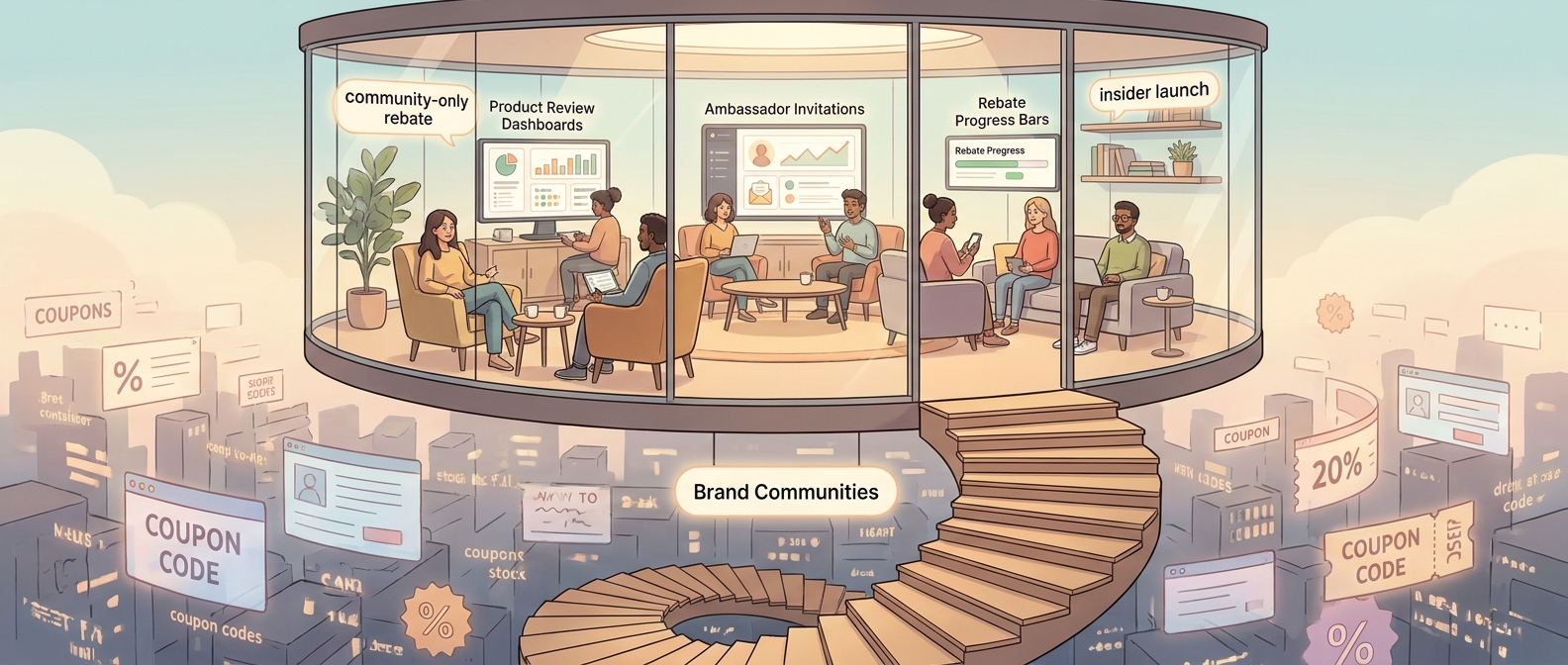
You did the cashback apps. You joined the coupon sites. You stacked loyalty points like a pro. And yet it still feels like you are arriving after the good stuff is gone. That frustration is real. A lot of the best “buy it, try it, get rebated” offers never hit public deal boards at all. They start inside small brand-run groups, where companies hand out samples, cashback offers, and review opportunities to people they already know and trust. If you have been wondering how to join brand ambassador and product reviewer rebate communities, the good news is this is not reserved for influencers with ring lights and huge followings. Regular shoppers get in too. The trick is knowing where these programs live, what brands call them, and how to make your profile look useful instead of random. Once you know the signs, you stop hunting scraps and start finding the source.
⚡ In a Hurry? Key Takeaways
- Many of the best rebate offers now begin inside private brand ambassador, reviewer, and insider communities, not public coupon pages.
- Start by checking a brand’s website footer, FAQ, Instagram bio, and email signup flow for words like ambassador, tester, panel, review club, insiders, or community.
- Do not pay to join a “review club” unless you have checked it carefully. Legit programs usually want your feedback, profile, and participation, not an upfront fee.
Why the Best Rebates Feel Hidden
Brands have changed how they spend promo money. Instead of blasting the same coupon to everyone, many now prefer smaller groups they can manage more closely. It makes sense from their side. They get cleaner feedback, more predictable reviews, and a pool of shoppers who actually respond.
For the rest of us, this creates a weird problem. The best deals look invisible. You might see the leftovers posted in a forum days later, while members inside a review club already claimed the full rebate or free product slot.
That is why these communities matter. They are often the first stop for product tests, receipt rebates, trial bundles, early launch discounts, and “post your honest review” campaigns.
What These Communities Are Usually Called
Not every brand uses the same label. One company says “ambassador program.” Another says “insider panel.” Another calls it a “consumer testing community.” Same basic idea.
Common names to watch for
- Brand Ambassador Program
- Product Reviewer Program
- Insider Community
- Testing Panel
- Creator Club
- Rewards Community
- Sampling Program
- Advocate Network
- Review Crew
- VIP or Founders Club
If you see language about “try products,” “share feedback,” “earn rewards,” “apply to campaigns,” or “receive exclusive offers,” you are probably looking at one of these gates.
How to Find Them Before Everyone Else
This is the part that saves time. You do not need to search the whole internet blindly. Start with the brands you already buy, especially in categories that often use rebates. Think beauty, personal care, food, baby products, pet supplies, cleaning products, supplements, and household gadgets.
Check the brand’s own website
Open the homepage and scroll straight to the footer. That is where many companies hide links like:
- Ambassador
- Affiliates
- Community
- Reviews
- Beta Program
- Testers Wanted
- Rewards
Then check the FAQ, Contact page, and careers or community pages. Some brands never put the program in the main menu, but they still mention it in support pages.
Watch the brand’s social media carefully
Instagram and TikTok bios often link to a form or program page. Stories and pinned posts are another clue. Look for phrases like “join our insiders,” “apply now,” or “limited tester spots.”
Facebook groups can matter too, especially for food, parenting, and lifestyle brands. Sometimes the public page is just marketing, while the real offers happen in a private member group.
Read the email welcome sequence
A plain old newsletter signup still works. After you join, watch the first few emails. Brands often invite their own email subscribers into trial panels before posting anywhere public.
Search smarter
Use direct searches like:
- [brand name] ambassador program
- [brand name] product tester
- [brand name] insider community
- [brand name] review club
- [brand name] sampling program
That will get you much further than searching “free stuff” or “rebates” alone.
The Platforms Behind the Curtain
Many brands do not build these communities from scratch. They use third-party platforms that host campaigns, applications, review tasks, and reward tracking. Once you spot a few of these networks, you begin seeing the pattern everywhere.
What to look for
When you click into an application page, check the branding and URL. If the page looks different from the main brand site, it may be powered by a community platform. That is useful, because if one brand uses it, others often do too.
Common signs include:
- A separate portal with a profile dashboard
- Campaign applications with screening questions
- Tasks like uploading receipts, posting reviews, or answering surveys
- A points or tier system for participation
- Mentions of community guidelines and member conduct
Once you find one good platform, create a strong profile and keep it updated. You may be able to join more than one brand community on the same system or at least recognize similar setups faster.
How to Build a Profile That Actually Gets Accepted
This is where many people lose out. They fill in the basics, skip the details, and wonder why they never get picked. Brands are not just looking for “someone who wants free stuff.” They want believable, consistent people who fit a target customer profile and can follow instructions.
Use a real, complete identity
Fill out your profile fully. Age range, household size, shopping habits, pets, kids, diet, beauty routine, home type, and favorite stores can all matter depending on the campaign.
Do not exaggerate. If you claim to be the perfect customer for every category under the sun, you can look fake fast.
Add social accounts if asked
You do not need a giant audience. That is a common myth. Some programs care about social reach, but many just want active, normal users who can post an honest review or share a simple photo.
If you connect social accounts, make sure they look alive. A profile with a photo, a little activity, and normal posts is much better than an empty account created yesterday.
Write like a real person
Application questions often ask why you want to join or what products you use now. Keep your answers clear and natural. Mention actual habits. For example, “I buy stain removers monthly because I have two kids and a dog” is stronger than “I love trying new products.”
Show that you follow through
If the platform tracks completed tasks, do the small ones well. Submit reviews on time. Upload receipts clearly. Answer surveys completely. The people who keep getting picked are often the ones who proved they are dependable, not the loudest.
Green Flags and Red Flags
Private communities can be valuable, but not every “insider program” is worth your time.
Good signs
- Clear explanation of what members do
- Straightforward privacy policy and terms
- No promise that everyone gets every campaign
- Specific reward details such as rebate amount, product value, or points
- Reasonable expectations for reviews or feedback
Warning signs
- High upfront fee just to access offers
- Vague claims of guaranteed free products forever
- No brand names listed anywhere
- Poorly written pages with broken forms
- Requests for sensitive information that makes no sense for product testing
A little skepticism goes a long way. If it feels off, pause and verify before handing over data.
How to Stay in the Good Graces of These Communities
Getting in is only half the game. Staying active matters more.
Be honest in reviews
Good programs usually want honest feedback, not fake praise. If a product is great, say so. If it misses the mark, say that politely and clearly. Brands value useful comments more than cheerleading.
Meet deadlines
If the task says review by Friday, do not wait until next month. These systems notice.
Do not apply for everything
Pick campaigns that fit you. If you never drink protein shakes, do not force your way into every supplement test. Better matches lead to better selection later.
Keep records
Save screenshots, confirmation emails, receipts, and shipping notices. It makes rebate follow-up much easier if something stalls.
A Simple Starter Plan for This Week
If you want a practical way to start, do this:
- Pick 10 brands you already buy regularly.
- Search each one for ambassador, tester, insider, panel, and review club terms.
- Join their newsletter and follow their main social account.
- Create a clean email folder just for applications and campaign notices.
- Complete your profiles fully on any portal you join.
- Apply only to campaigns that genuinely fit your life.
- Track which brands and platforms actually send offers.
After a month, patterns start to show. Some brands talk a lot and offer nothing. Others quietly send excellent rebate opportunities to active members.
Why Rebate Clubs Members Have an Edge
This is where a community helps. One person might notice that a pet brand moved its sampling offers into a private Facebook group. Another might spot a household cleaner brand using a hidden tester portal linked from an Instagram story. Put those clues together, and everyone saves time.
That shared map is a real advantage. Instead of each person starting from zero, the group can compare which brands are worth the effort, which platforms are reliable, and which programs actually lead to rebates instead of busywork.
At a Glance: Comparison
| Feature/Aspect | Details | Verdict |
|---|---|---|
| Public coupon and cashback sites | Easy to join, but offers are widely shared and often picked over fast. | Good for basics, not usually where the best early rebates start. |
| Brand ambassador and reviewer communities | Smaller groups, targeted offers, product tests, and better odds of meaningful rebates if you stay active. | Best long-term value for consistent shoppers. |
| Your application profile | Complete, honest profiles with timely participation tend to get selected more often than bare-bones accounts. | Worth the effort. This is where many people quietly win or lose. |
Conclusion
The big shift is already happening. Brands are moving promo budgets into closed communities where they can decide who sees offers first, who gets the rebate, and who gets invited back. For regular shoppers, that can feel unfair at first. But it is also a big opening if you know where to look. Learn the signals on brand sites and social pages. Watch for the platforms behind the programs. Build a complete, believable profile and show that you can follow through. Do that, and you move closer to the source instead of chasing leftovers on public deal threads. Better yet, when Rebate Clubs members share what they find, everyone gets smarter faster. Less random scrolling. More targeted savings. And a much better shot at getting into the rooms where the best rebate deals actually begin.