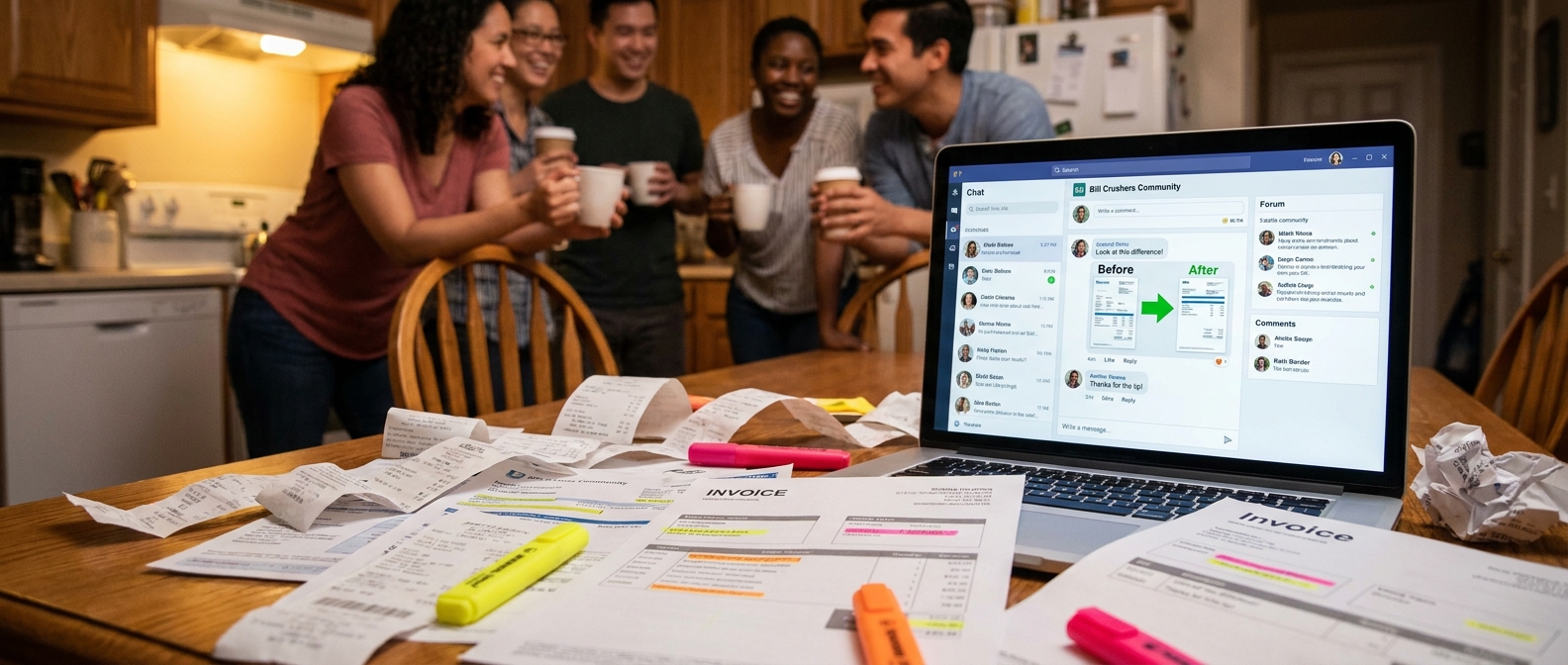
You are not wrong to feel suspicious about rebate clubs. A lot of them look like they were built by and for wholesalers, not regular people trying to save a little money on groceries, software, power bills, or stuff for the house. And if you have ever clicked into a random coupon group, you already know the feeling. Too many vague promises. Too many dead links. Too many posts that were useful six months ago and worthless now. The good news is that your old receipts can do more than prove what you bought. They can help you find the right groups in the first place. If you want to know how to use receipts to find real rebate groups, the shortcut is simple. Stop searching broad terms like “best rebate club.” Start with the exact clues already sitting on your invoice, screenshot, email confirmation, or utility statement. Those tiny details often lead straight to active, higher-signal communities where members share what is actually paying out right now.
⚡ In a Hurry? Key Takeaways
- Use the exact words on your receipt, especially model numbers, seller names, and line-item descriptions, to find real rebate groups faster.
- Search those terms with words like “rebate group,” “buyer group,” “cashback,” “Facebook group,” “Discord,” “Telegram,” or “forum.”
- Stick with communities that show recent proof of payout and clear rules, not groups that only post hype or ask for too much personal information.
Why receipts work better than random searching
Most people search too wide. They type things like “best rebate sites” or “cashback group” and get a swamp of outdated blog posts, affiliate pages, and junk groups.
Your receipt is much more useful than that. It gives you specific terms that real members use when they talk to each other. Things like:
- Exact product names
- Model numbers
- Brand names
- Store or supplier names
- SKU or item descriptions
- Service plan names
- Utility program labels
Those details act like a map. They help you skip the noisy public stuff and land in communities that are focused on one category, one supplier, or one kind of rebate.
The invoice screenshot shortcut, step by step
1. Grab one old receipt or order confirmation
Start with anything you already bought. An Amazon order email. A grocery receipt. A power bill. A software renewal. A warehouse club order. Even a rebate denial email can help.
If it is digital, take a screenshot. If it is paper, snap a photo.
2. Circle the parts that matter
You are looking for the words most people ignore. Focus on:
- Product model number
- Full product title
- Merchant or distributor name
- Manufacturer name
- Line item wording
- Any program code, rate code, or offer ID
For example, “LED Smart Thermostat T500” is better than “thermostat.” “Acme Energy Residential Peak Saver” is better than “utility rebate.”
3. Turn those details into targeted searches
Now combine what you found with group-finding terms. Try searches like:
- “T500 thermostat rebate group”
- “Acme Energy Peak Saver Facebook group”
- “Kirkland baby wipes cashback forum”
- “Adobe Teams renewal buyer group”
- “Bissell 2252 rebate Discord”
- “line item text + cashback + Telegram”
This is the heart of how to use receipts to find real rebate groups. You are reverse engineering the search from proof of a real purchase, instead of guessing where the deals might be.
What kinds of receipts lead to the best groups?
Energy and utility receipts
These are gold. Utility and energy rebates are often managed through regional programs, contractor networks, or semi-private homeowner groups. A receipt or bill can reveal the exact program name, appliance category, or efficiency code.
Search for those exact labels, plus your city or state. That often leads to active groups discussing which offers are still live and which contractors actually handle the paperwork properly.
Grocery and household receipts
These work well for brand-specific cashback clubs, trial groups, and rebate stacking communities. Search the exact brand and item name with “rebate,” “buyer group,” or “cashback.”
If one item appears on your receipt with a weirdly specific description, that is often a clue it is tied to a current promotion.
Software and subscription invoices
This is an underrated area. Business software, antivirus renewals, cloud storage, and productivity tools often have partner offers, affiliate cashback communities, or niche buyer groups that compare active promos.
The invoice gives you the exact plan name. That matters, because “Microsoft 365” is broad, but “Microsoft 365 Family annual renewal” is much easier to trace to a real ongoing offer.
Small appliances and home gear
Air purifiers, routers, vacuums, coffee machines, printers, and similar gear often show up in buyer groups where people coordinate timing, seller choice, and rebate proof.
Model numbers matter a lot here. Search them exactly as printed.
How to tell if a rebate group is real
Not every group you find will be worth joining. Some are excellent. Some are chaos.
Look for these signs of a healthy group:
- Recent screenshots of payouts or approved rebates
- Clear instructions on what to buy and from where
- Posts with dates, not just recycled old promos
- Moderators who answer basic questions
- Members sharing both wins and failures
- Rules about proof, timing, and eligible regions
Be cautious if you see:
- No recent activity
- Only hype, no proof
- Pressure to buy fast with no details
- Requests for sensitive personal data up front
- Broken links or constant bait-and-switch offers
If you keep bumping into vague social posts, this is where The “Brand DM Shortcut”: Turn Tiny Instagram Rebate Posts Into Real Buyer Groups You Can Join Today is useful. It shows how to move from sketchy-looking brand posts into actual communities with more structure.
A simple search formula you can reuse
Here is an easy template:
[exact receipt term] + [rebate OR cashback OR buyer group] + [platform OR location]
Examples:
- “Nest Thermostat E rebate group California”
- “Bounty 8 roll cashback Facebook group”
- “QuickBooks Essentials renewal buyer group”
- “Whirlpool WRF535SMHZ rebate forum”
Use quotes around the exact term if the results are messy. That can cut out a lot of junk.
Why semi-private groups matter now
A few years ago, public deal blogs did more of the heavy lifting. Now many of the best rebate plays move through semi-private spaces. Facebook groups. Discord servers. Telegram chats. Niche forums. Even private email lists.
That shift happened for a reason. Public deals get abused fast. Fake offers spread. Good offers get overwhelmed. In smaller communities, people can compare notes, post proof, and call out dead rebates much faster.
That is why your receipt matters. It helps you enter the conversation through a real product, real supplier, or real program, instead of wandering in cold.
Protect your privacy when using screenshots
This part is important. A screenshot can help you search, but do not post every detail publicly.
Before sharing any receipt image, hide:
- Your full name
- Home address
- Email address
- Phone number
- Order number, if it could be misused
- Account numbers or utility account details
- Payment method information
You usually only need the product line, seller, date range, and maybe the total. Keep the rest private until you trust the group and understand why they are asking.
Common mistakes that waste time
Searching only the brand name
Too broad. Use the exact product or program wording from the receipt.
Trusting old blog posts over fresh group proof
A post from last year might still rank in search, but that does not mean the rebate still pays. Recent member proof matters more.
Ignoring failed rebate posts
Those are useful. They tell you what changed, which seller stopped qualifying, or which submission method broke.
Joining giant generic coupon groups
Big groups are not always bad, but very broad ones tend to bury the useful details. Niche beats noisy.
At a Glance: Comparison
| Feature/Aspect | Details | Verdict |
|---|---|---|
| Generic deal searching | Broad terms bring lots of outdated posts, affiliate pages, and weak groups. | Good for browsing, bad for precision. |
| Receipt-based searching | Uses exact product names, model numbers, suppliers, and program labels from real purchases. | Best way to find relevant rebate groups fast. |
| Semi-private rebate communities | Smaller groups often have fresher payout proof, clearer rules, and more current advice. | Usually higher quality, if you check for trust signals first. |
Conclusion
If rebate clubs have felt confusing or a little shady, the fix is not to try harder at random. It is to start smarter with what you already have. A boring receipt, invoice, or confirmation email can give you the exact clues you need to find real communities built around actual products and active offers. That is the big value in learning how to use receipts to find real rebate groups. Today a lot of the action in rebates and group buying is shifting from public deal posts to semi private communities where proof of savings is everything and fake offers burn out fast. When you reverse engineer your receipts into targeted searches using model numbers, supplier names, and line item descriptions, you skip the coupon-blog maze and head straight for the groups that fit your purchases. That helps you save time, find fresher deals, and join communities that get stronger as more real members share what is paying out this month, not last year.